
Light Requirements
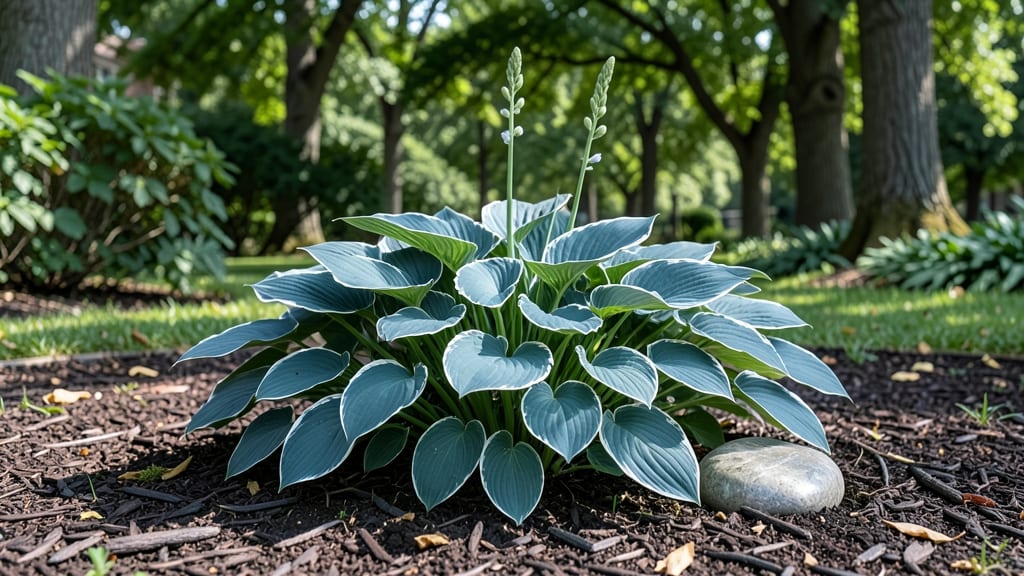
Shade-tolerant perennial flowers bring vibrant color to gardens where sunlight barely reaches. 🌿 I learned the hard way that skipping shade plants means dull borders and wasted space—until I discovered this bold, foolproof palette that thrives under trees and along north-facing walls.
This collection includes hostas with velvety foliage, heucheras in jewel-toned hues, and astilbes that dance in feathery plumes. Each plant pairs effortlessly with ferns or moss for a lush, layered look that feels like a secret garden.
The key? Matching leaf textures to light conditions—darker foliage handles deeper shade, while lighter varieties brighten partial shade spots.
By mid-summer, your garden will burst with long-lasting blooms that attract pollinators without demanding full sun. Prune spent flowers in late fall, mulch heavily to retain moisture, and watch these perennials return year after year with minimal effort. Even in humid climates, these plants stay healthy with proper drainage.
The same principles work in containers or ground beds, making this perfect for urban balconies or sprawling woodland gardens. Start small with a trio of contrasting heights—tall astilbes, medium heucheras, and low-growing ajugas—and build from there. Your shade garden will become the envy of the neighborhood.
📚 In This Guide
- What you need
- Instructions
- Tips and common mistakes
- Wrapping up and next steps
What you need
- ● Shade-tolerant perennial flowers: Select from 3–5 varieties (e.g., Hosta, Astilbe, Heuchera, Bleeding Heart, or Lungwort). Buy 3–5 plants per type for a fuller look.
- ● High-quality potting soil: 2–3 bags (18–20 lbs each) of well-draining, organic soil (mix in compost for nutrients).
- ● Mulch: 1–2 bags of shredded bark or wood chips (3–4 cubic feet) to retain moisture and suppress weeds.
- ● Organic fertilizer: A slow-release granular fertilizer (10-10-10 or 5-10-10 ratio) for perennials.
- ● Watering can or hose: With a gentle spray nozzle for even moisture distribution.
- ● Garden trowel or hand shovel: For digging holes (6–12 inches deep, depending on root size).
- ● Garden gloves: A pair of durable, breathable gloves to protect your hands.
- ● Pruners: Sharp, bypass pruners for trimming dead foliage or shaping plants.
- ● Measuring tape or ruler: To ensure proper spacing (check plant tags for guidelines).
- ○ Wheelbarrow or bucket: (Optional) For mixing soil or hauling materials.
- ● Location: A partially to fully shaded area (dappled sunlight to deep shade, <6 hours of direct sun daily).
- ○ Soil test: (Optional but helpful!) Test your soil’s pH and nutrient levels—most shade perennials prefer slightly acidic to neutral soil (6.0–7.0 pH).
- ● Water source: Ensure easy access to water, especially during the first 2–3 weeks after planting.
- ● Patience: Perennials may take 1–2 seasons to reach full bloom—enjoy the journey!
Step-by-Step guide to planting shade-tolerant perennial flowers
Here's how to create a vibrant, low-maintenance shade garden that blooms reliably year after year.
🌱 Step 1: Select the Right Perennial Varieties for Your Shade Level
Not all shade is created equal—what thrives under dappled light (filtered sun) may struggle in deep shade (less than 3 hours of direct sun). For partial shade, choose hostas (with their striking foliage) or astilbes (feathery plumes in pink, white, or red). In full shade, opt for heucheras (for their colorful leaves) or bleeding hearts (Dicentra spectabilis), which produce heart-shaped flowers in spring.
I always check the USDA hardiness zone for my area and select perennials rated for my zone. For example, Hellebores (Lenten roses) thrive in zones 4-9 and handle deep shade beautifully. Mix heights—place taller varieties like foxgloves at the back, mid-height coral bells in the middle, and low-growing ajuga or sweet woodruff at the front.
🪴 Step 2: Prepare the Soil for Moisture-Retentive Growth
Shade-loving perennials often prefer moist, well-draining soil with high organic matter. Before planting, loosen the soil to a depth of 12 inches using a garden fork. Amend with 2-3 inches of compost or aged manure to improve fertility and water retention. If your soil is heavy clay, mix in 1 part perlite or coarse sand to 2 parts soil to prevent compaction.
Test the soil pH—most shade perennials prefer slightly acidic to neutral (6.0-7.0). If your soil is too alkaline, add sulfur or peat moss to lower the pH gradually. I like to work in a slow-release organic fertilizer like fish emulsion at planting time to give roots a nutrient boost without burning tender foliage.
☀️ Step 3: Plant at the Correct Depth and Spacing
Dig holes twice as wide as the root ball but only as deep—planting too deep can suffocate roots. Gently remove the plant from its container and tease apart any circled or compacted roots to encourage outward growth. Place the plant in the hole so the top of the root ball sits level with the surrounding soil—never bury the crown.
Spacing depends on mature size: hostas need 2-3 feet apart, while ajuga can be planted 12-18 inches apart. Water each hole deeply before planting to settle the soil and eliminate air pockets. Backfill with native soil mixed with a handful of compost, then firm gently around the base. Mulch with 2-3 inches of shredded bark or leaf mold to retain moisture and suppress weeds.
💧 Step 4: Water Deeply and Establish a Consistent Routine
Water thoroughly after planting to help roots settle into the soil. In the first 2-3 weeks, keep the soil evenly moist—not soggy, but never allowed to dry out completely. Shade perennials often have shallow root systems, so 1-2 inches of water per week (including rainfall) is ideal. Use a soaker hose or drip irrigation to deliver water slowly at the base, avoiding wetting foliage to prevent fungal diseases.
After the initial establishment period, most shade perennials become drought-tolerant once established, but they’ll reward you with healthier blooms if you maintain consistent moisture. I check soil moisture by pushing a finger 2 inches deep—if it feels dry, it’s time to water. In hotter months, you may need to water every 5-7 days, depending on rainfall.
✂️ Step 5: Prune and Maintain for Long-Term Blooms
Deadhead spent blooms regularly to encourage more flowers—especially for heucheras, astilbes, and bleeding hearts. Cut back wilted stems to the first set of healthy leaves or to the ground for tidiness. In early spring, remove last year’s foliage (except for grasses and ornamental plants that provide winter interest) to make room for new growth and reduce pest harboring.
Divide crowded clumps every 3-5 years in early spring or fall to rejuvenate plants. Dig up hostas or daylilies, separate the root ball into 3-5 inch sections, and replant immediately. This prevents center die-out and keeps your shade garden looking fresh. Fertilize lightly in early spring with a balanced organic fertilizer (10-10-10) to support vigorous growth.
Tips & tricks for planting thriving shade gardens
A few key strategies will help you create a lush, long-lasting shade garden that outshines expectations. These are the lessons I've learned after years of trial and error—trust me, they make all the difference!
Shade Level Precision: Pay close attention to the 3 hours of direct sun threshold mentioned in Step 1. If your area gets less than this, opt for heucheras or bleeding hearts—they're the most forgiving in deep shade. For partial shade, I've found hostas thrive best when they receive morning sun and afternoon shade. The key is matching plant needs to your specific light conditions rather than guessing.
Soil Preparation Secret: When amending soil in Step 2, I always go one step further by testing moisture retention after adding compost. Press a handful of the amended soil—if it crumbles easily, you're good to go. If it stays clumpy, mix in another ½ inch of perlite to improve drainage. This prevents the dreaded "soggy soil syndrome" that can suffocate roots, especially in clay-heavy areas.
Planting Depth Visual: For Step 3, here's a trick I use: hold the plant at the correct depth so the top of the root ball lines up with your wrist when your arm is straight down. This ensures you're never burying the crown. I also like to water the hole before planting—it helps settle the soil around roots and eliminates air pockets that can cause wilting.
Watering Routine: The 2-3 week establishment period in Step 4 is critical, but I've learned to adjust based on weather. In hot summers, I water every 5 days instead of waiting for the 5-7 day guideline. Use a rain gauge to track weekly rainfall—this helps you determine when to supplement with irrigation. Mulching with 3 inches of bark (as recommended) can cut water needs by up to 30% once established.
Pro Tips for Shade Tolerant Perennial Flowers
- A few key strategies will help you create a lush, long-lasting shade garden that outshines expectations.
- Shade Level Precision: Pay close attention to the 3 hours of direct sun threshold mentioned in Step 1.
- Soil Preparation Secret: When amending soil in Step 2, I always go one step further by testing moisture retention after adding compost.
Frequently asked questions
Got questions about bringing bold color to your shady spots? You’re not alone! Here are answers to the most common queries about shade-tolerant perennial flowers—so you can garden with confidence.
What are the easiest shade-tolerant perennials for beginners?
Start with heuchera (coral bells), hostas, or astilbe—they’re hardy, low-maintenance, and thrive in low light. Bleeding heart (Dicentra spectabilis) and foxglove (Digitalis) also offer stunning blooms with minimal fuss. Look for varieties labeled “shade-loving” at nurseries!
When is the best time to plant shade perennials?
Plant in early spring (after the last frost) or early fall (4–6 weeks before frost). This gives roots time to establish before extreme heat or cold. Avoid planting in peak summer—roots can dry out or struggle in hot soil.
Can I grow shade perennials in containers?
Use well-draining pots (at least 12–18 inches deep) with a mix of potting soil and organic compost. Choose compact varieties like miniature hostas or dwarf astilbe. Just ensure containers get at least 4–6 hours of indirect light daily.
How do I keep pests away from my shade perennials?
Most shade-loving perennials are pest-resistant, but slugs and aphids may still visit. Prevent issues with copper barriers, neem oil, or introducing beneficial nematodes. Remove damaged leaves promptly to deter further infestations.
What’s the secret to getting vibrant colors in shade?
Rich, moist (but not soggy) soil is key! Amend with compost or aged manure for nutrients, and use a balanced fertilizer (10-10-10) in early spring. Mulch with wood chips to retain moisture and protect roots—your perennials will thank you with bold, lasting blooms!
Wrapping up and next steps
Shade-tolerant perennial flowers bring vibrant life and color to those tricky, low-light spots in your garden—no more boring patches! From Hosta to Bleeding Heart, these beauties prove that shade isn’t a limitation. 🌿✨
Ready to transform your garden? Start by testing your shade levels, then pick perennials that match your space’s conditions. Plant with confidence—your future blooms will thank you! Happy gardening!