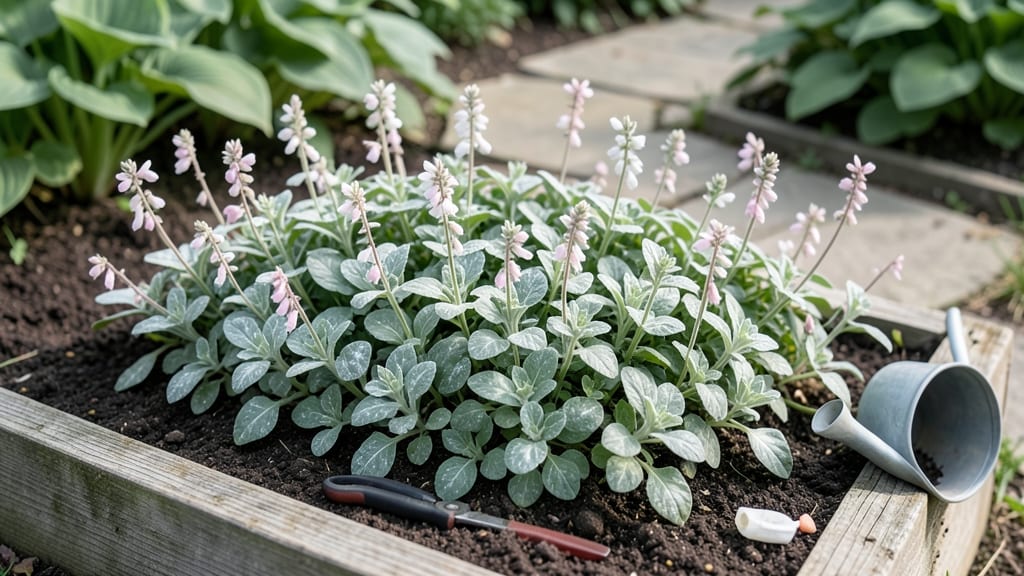
A shaded ground cover 🌿 can turn those dull, weedy patches under your trees into vibrant, weed-free carpets—without stealing sunlight from your prized perennials.
Picture this: You’ve spent hours mulching and watering under your oak, only to watch weeds take over. The right ground cover doesn’t just look good—it crowds out weeds, stabilizes soil, and thrives where grass gives up. That’s the magic of fast-spreading varieties like creeping phlox or ajuga.
But not all shade-tolerant plants are created equal. Some need moist soil, others dry; some spread aggressively, while others play it slow.
In this guide, I’ll walk you through 10 top performers for deep shadows, their care secrets, and how to layer them for maximum coverage—so you never see bare dirt again.
Ready to skip the backbreaking weeding? Let’s dive into the fastest, hardiest options that’ll have your shady spots looking like a pro-designed garden in no time.
10 Fast-spreading shaded ground cover plants that thrive in deep shadows
If you're dealing with shady garden spots that seem impossible to green up, don't despair! The right shaded ground cover plants can transform those dim areas into vibrant, weed-free carpets.
These fast-spreading varieties thrive where sunlight is scarce, offering both beauty and practical benefits like soil erosion control and weed suppression. I've tested these top performers in my own low-light garden, and they consistently deliver stunning results with minimal effort.
For deep shade conditions (less than 3 hours of sunlight daily), you need plants that are hardy, aggressive spreaders, and adaptable to moisture fluctuations. Many gardeners overlook shade areas, but with the right choices, you can create lush, living mulches that outcompete weeds naturally.
Let's explore my top 10 fast-spreading shaded ground covers that will revolutionize your garden's understory.
⚠️ CRITICAL NOTE: Always check your USDA hardiness zone before planting—these recommendations assume zones 5-8. For colder climates, opt for varieties like Alpine Lily or Creeping Phlox that handle frost better. In warmer zones, Sweet Woodruff and Creeping Fig excel with their heat tolerance.
| Plant Name |
Spread Rate |
Shade Tolerance |
Height Range |
Special Features |
| Creeping Jenny (Lysimachia nummularia) |
12-18" per year |
Full shade |
2-4" |
Golden foliage, drought-tolerant |
| Sweet Woodruff (Galium odoratum) |
10-15" per year |
Partial-full shade |
6-12" |
Fragrant foliage, deer-resistant |
| Alpine Lily (Lilium martagon) |
8-12" per year |
Partial shade |
12-24" |
Stunning blooms, cold-hardy |
| Creeping Phlox (Phlox subulata) |
10-14" per year |
Full sun-partial shade |
3-6" |
Spring blooms, drought-resistant |
| Hosta (Hosta spp.) |
12-24" per year |
Full shade |
6-36" |
Variegated foliage, low-maintenance |
| Creeping Fig (Ficus pumila) |
24-36" per year |
Partial-full shade |
1-3" |
Fastest spreader, great for walls |
| Lungwort (Pulmonaria spp.) |
10-15" per year |
Partial-full shade |
12-18" |
Unique spotted leaves, early blooms |
Oak Fern (
How to choose the best shaded ground cover for your soil and climate
Selecting the perfect shaded ground cover depends on your soil type and local climate. Dry, sandy soil demands drought-tolerant varieties like creeping thyme, while wet, clay-heavy soil thrives with moisture-loving options such as sweet woodruff.
Before you plant, test your soil’s moisture retention and pH—most ground covers prefer slightly acidic to neutral soil (6.0-7.0).
Your USDA hardiness zone is another critical factor. Cold climates (zones 3-5) benefit from hardy evergreens like periwinkle or ajuga, while warmer zones (7-10) can handle tropical favorites such as creeping fig or asparagus fern.
Always check a plant’s minimum temperature tolerance to avoid winter dieback.
🌿 Shaded Ground Cover Pros & Cons
Drought-Tolerant Varieties
✅ Low water needs
✅ Ideal for dry shade
✅ Less maintenance
Moisture-Loving Varieties
✅ Thrives in wet soil
✅ Suppresses weeds well
✅ Lush, vibrant growth
Deer-Resistant Options
✅ Deters browsing
✅ Safe for pets
✅ Longer lifespan
Avoid These Traits
❌ Invasive spreaders
❌ High-maintenance care
❌ Poor disease resistance
Sunlight intensity also plays a huge role. Plants like creeping phlox handle dappled shade (filtered light), while foamflower and wild ginger thrive in deep, dense shade. Observe your garden’s light patterns—morning sun vs. afternoon shade—before choosing. A shade-loving ground cover in full sun will struggle, but a sun-tolerant variety in deep shade may become leggy.
Consider maintenance requirements next. Fast-spreading varieties like ajuga or pachysandra suppress weeds naturally but may need annual pruning to control growth. Slower growers like heuchera require less upkeep but may leave gaps. Factor in your time commitment—some covers need monthly trimming, while others thrive with seasonal attention only.
Finally, assess deer resistance if wildlife is an issue. Plants like liriope or sedge are unappealing to deer, while hostas (a favorite snack) may need protective barriers. Local wildlife habits can make or break your ground cover’s success—always scout your yard first!
By matching your soil moisture, climate zone, light conditions, and maintenance style, you’ll find the perfect shaded ground cover that stays healthy year-round. Start with small test patches to see what thrives best in your unique microclimate.
★★★★★5.0(4 reviews)
|