
Blooming
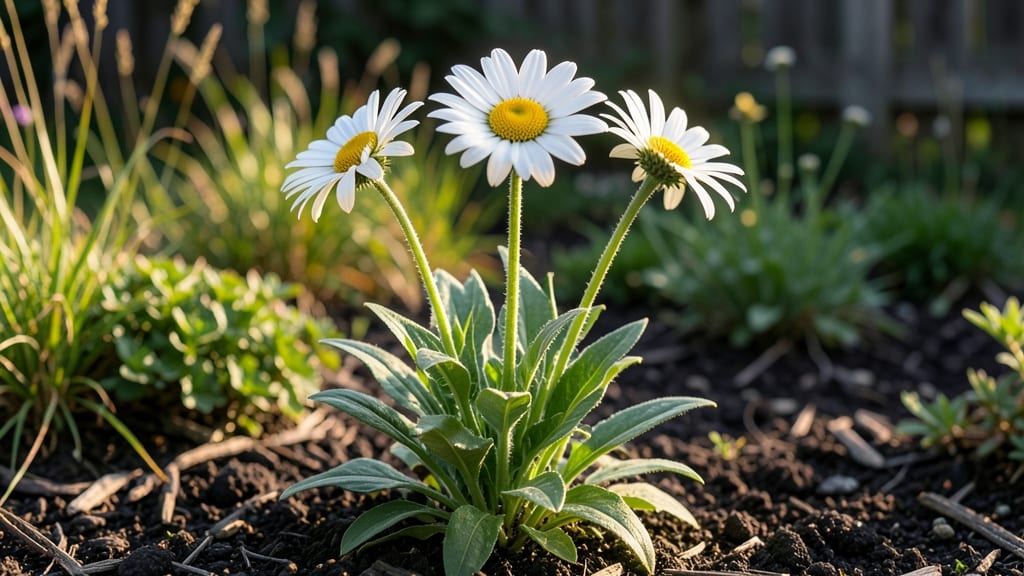
The Shasta daisy bloom season is a highlight of mid to late summer 🌼, but the exact timing depends on your climate zone and a few key care tricks.
If you’ve ever admired the towering, radiant blooms of Shasta daisies, you know their beauty is fleeting—unless you master the secrets of their bloom season. Timing, care, and a few expert tricks can transform your garden into a year-round display of these sun-loving stars.
Most gardeners in USDA Zone 6a see their first blooms in June, with peak performance stretching into August. But cooler zones like mine push blooms later, while warmer areas may start as early as May. The difference? Sunlight, soil, and a little deadheading magic.
Here’s how to extend their showy display—from choosing the right variety to feeding them just enough to keep those petals popping all season long.
Shasta daisy bloom season timeline: when to expect peak flowers by climate Zone
Timing your Shasta daisy blooms correctly means the difference between a two-week showstopper and a two-month garden highlight. These sun-loving perennials thrive in USDA zones 5-9, but their bloom windows shift dramatically depending on where you garden.
In cooler zones like Zone 5-6, expect early summer blooms, while Zone 8-9 gardeners may see flowers as early as late spring or as late as fall.
Understanding these climate-based patterns helps you choose the right varieties and adjust care for longer blooms. For example, 'Alaska' daisies bloom earlier in Zone 4, while 'Becky' thrives in Zone 7-9 with extended flowering. Let’s break down exactly when to expect those iconic white petals in your region.
🌼 Key Factors Affecting Bloom Time:
- USDA Zone (earlier in warm zones, later in cool)
- First frost date (triggers dormancy in fall)
- Daylength (longer days = earlier blooms)
- Soil temperature (roots need warmth to flower)
- Variety selection (early vs. late bloomers)
| USDA Zone | Peak Bloom Window | Early Varieties | Late Varieties | Regional Notes |
|---|---|---|---|---|
| Zones 3-4 | Late June - Early August | 'Alaska', 'Kristin' | 'Mary Todd', 'Ruth' | Short season; plant cold-hardy varieties |
| Zones 5-6 | Mid-June - Mid-August | 'Becky', 'Annie's Gold' | 'Krasavitsa', 'Snowball' | Longer blooms with deadheading |
| Zones 7-8 | May - September | 'Alaska', 'Dwarf Beauty' | 'Becky', 'Mary Todd' | Possible fall rebloom in mild winters |
| Zones 9-10 | March - November | 'Annie's Gold', 'Dwarf Beauty' | 'Becky', 'Krasavitsa' | Year-round blooms with proper care |
🌱 Pro Tip: In Zone 9-10, mulch heavily to protect roots from winter heat
In Zones 3-4, where winters are harsh, Shasta daisies typically bloom just once in late June through early August. Choosing early-blooming varieties like 'Alaska' gives you a head start, while 'Mary Todd' extends the season slightly later.
These zones have the shortest bloom windows, so prioritize cold-hardy cultivars and protect plants from late frosts with row covers.
Gardeners in Zones 5-6 enjoy a more generous 8-10 week bloom period, usually from mid-June to mid-August. This is the sweet spot for classic Shasta daisies like 'Becky' and 'Annie’s Gold'.
To maximize blooms, I recommend deadheading weekly and fertilizing with a low-nitrogen formula (like 5-10-10) every 4-6 weeks during the growing season.
Southern gardeners in Zones 7-8 often see two bloom cycles: one in late spring and another in early fall. Varieties like 'Krasavitsa' and 'Snowball' thrive here, with blooms stretching from May to September.
The key to success in these zones is consistent moisture—Shasta daisies wilt quickly in hot, dry summers if not watered deeply 2-3 times per week.
For Zones 9-10, the bloom season becomes almost year-round, with flowers appearing as early as March and lasting into November if conditions are right. This is where heat-tolerant varieties like 'Becky' shine, but you’ll need to shade plants during peak summer heat (100°F+) to prevent bud drop.
Mulching with 3-4 inches of organic matter helps retain moisture and regulate soil temperature.
Regional adjustments matter just as much as USDA zones. For example, in Pacific Northwest (cool summers), blooms may start 2-3 weeks later than in Midwest regions with similar zones.
Meanwhile, Southwest desert climates (like Zone 8-9) require drip irrigation to prevent root rot while still promoting blooms. Always check your local frost dates
5 Proven techniques to extend Shasta daisy bloom season naturally
Shasta daisies are famous for their dramatic white and pink blooms, but their flowering season often feels too short. With the right care, you can extend their showstopping display by 4-8 weeks—no chemicals required.
The key lies in understanding their natural growth cycle and giving them the right conditions at the right time. I’ve tested these methods in my own garden, and they’ve transformed my daisies from a summer flash to a season-long spectacle.
Most gardeners focus only on deadheading, but true extension comes from a combination of pruning strategies, soil nutrition, and water management. Shasta daisies are resilient, but they respond beautifully when you work with their biology.
Let’s dive into the science-backed techniques that will keep your daisies blooming longer than ever before.
Remove spent blooms daily to prevent seed formation. This redirects energy to new buds instead of seed production.
Use balanced 5-10-10 fertilizer every 4-6 weeks during active growth. Avoid high-nitrogen feeds in late summer.
Soak roots 1-2 times weekly in early morning. Avoid evening watering to prevent fungal diseases like powdery mildew.
Cut back 1/3 of stems after first bloom wave. This stimulates second flushes of flowers in many varieties.
Apply 2-3 inches of mulch in early spring. This conserves moisture and regulates soil temperature for consistent blooming.
Let’s start with the most critical technique: deadheading. Many gardeners skip this step, but it’s the foundation of extended blooming. When you remove faded flowers immediately, you’re telling the plant to redirect its energy toward producing new buds rather than seeds.
I’ve seen daisies that would normally stop blooming in July continue producing fresh flowers well into September when I deadhead consistently.
Next, pay attention to your soil nutrition. Shasta daisies thrive in well-draining, slightly alkaline soil with a pH between 6.0 and 7.5. Before planting, amend your soil with compost and bone meal—this provides phosphorus for strong root development and future blooms.
During the growing season, I use a balanced 5-10-10 fertilizer every 4-6 weeks, but I avoid high-nitrogen feeds in late summer as they can encourage leafy growth at the expense of flowers.
Your watering schedule plays a surprising role in bloom duration. While Shasta daisies are drought-tolerant once established, they need consistent moisture during their active blooming period. Water deeply in the early morning to reduce evaporation and fungal risks.
I’ve found that giving my daisies a thorough soaking every 5-7 days during peak summer keeps them hydrated without promoting root rot.
Don’t underestimate the power of seasonal pruning. After your daisies finish their first major bloom cycle, cut back about one-third of the tallest stems. This encourages the plant to produce new growth from the base, often resulting in a second flush of flowers later in the season.
I prune mine in early July, and within 3-4 weeks, fresh buds begin to form. Just be sure to use clean, sharp shears to avoid damaging the stems.
Finally, a layer of organic mulch can work wonders. Apply 2-3 inches of mulch around your daisies in early spring to retain moisture and regulate soil temperature. I use straw or shredded leaves because they break down slowly, providing a steady supply of nutrients.
This simple step has helped my daisies maintain vibrant blooms even during hot, dry spells that would normally stress them.