
Blooming
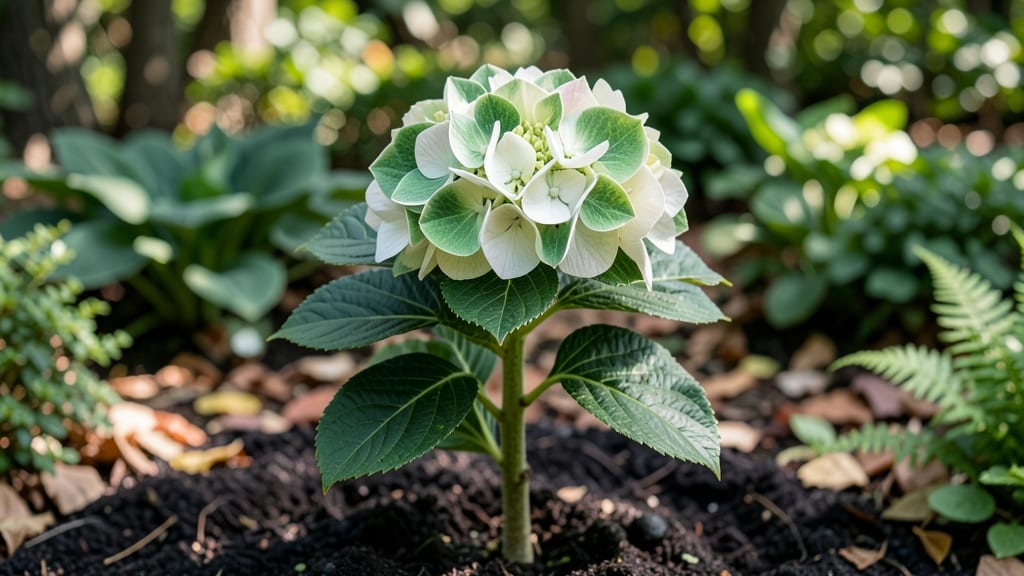
Single-bloom hydrangeas like Hydrangea paniculata are the unsung heroes of the garden—showy blooms from summer through frost with almost no pruning fuss. 🌸 I’ve grown them for years, and they’ve never failed me, even when other plants struggled in our hot, dry summers.
These hydrangeas thrive in full sun to partial shade, making them perfect for borders, foundation plantings, or even large containers. The secret to their longevity? Well-draining soil with a touch of organic matter—no fancy amendments needed.
Once established, they’re drought-tolerant, but a deep watering every 7-10 days keeps those blooms plump and vibrant. By late summer, you’ll be rewarded with cone-shaped flowers that shift from green to pink to deep burgundy as they age. The best part?
They keep blooming until the first hard frost, often lasting into November in milder climates. Pruning is simple—just trim back old stems in late winter to encourage fresh growth. They’re also remarkably low-maintenance compared to mophead varieties, resisting pests and diseases better.
Here’s how to keep yours thriving all season long.
📚 In This Guide
- What you need
- Instructions
- Tips and common mistakes
- Wrapping up and next steps
What you need
- ● Single bloom hydrangea plant: Choose Hydrangea macrophylla (e.g., 'Endless Summer' or 'Nikko Blue') or Hydrangea paniculata (e.g., 'Limelight' or 'Little Lime'). Start with 1-3 plants for a small garden bed.
- ● Well-draining potting mix: 5-10 gallons (depending on pot size). Use a blend of peat moss, perlite, and compost (3:1:1 ratio) for containers.
- ● Garden soil (for in-ground planting): Amend with 2-3 inches of organic matter (compost or aged manure) to improve fertility and drainage.
- ● Mulch: 2-3 inches of pine bark, cedar chips, or shredded leaves to retain moisture and regulate soil temperature.
- ● Garden trowel or spade: For digging holes (6 inches wider and deeper than the root ball).
- ● Pruning shears: Bypass pruners (sharp and clean) for shaping and deadheading.
- ● Gloves: Heavy-duty gardening gloves to protect hands from thorns and rough bark.
- ● Watering can or hose with a gentle spray nozzle: Hydrangeas love 1-1.5 inches of water per week.
- ○ pH test kit (optional but helpful): To monitor soil acidity (ideal range: 5.2–5.5 for blue blooms, 6.0+ for pink).
- ● Slow-release fertilizer: Balanced 10-10-10 or acid-loving plant fertilizer (apply in early spring).
- ● Epsom salt: 1 tablespoon per gallon of water (monthly spray for deeper green leaves and stronger blooms).
- ● Copper fungicide: For prevention of powdery mildew (common in humid climates).
- ● Stakes or supports: If planting in windy areas or heavy blooms (e.g., 'Limelight').
- ● Drip irrigation system: For automated watering (great for consistent moisture).
How to grow and maintain single bloom hydrangeas for long-lasting color
Here's the straightforward approach I use to keep my single bloom hydrangeas vibrant with almost no fuss.
🌱 Step 1: Choose the Right Location and Plant Properly
Single bloom hydrangeas thrive in partial shade—think 4-6 hours of morning sun with afternoon shade protection. Too much direct sun scorches their delicate blooms, while too little shade weakens growth. I always plant mine where they get dappled light from nearby trees or a north-facing wall.
Dig a hole twice as wide as the root ball but only as deep. The top of the root ball should sit 1 inch above ground level—this prevents rot and encourages strong root development. Gently loosen any circling roots before placing the plant in the hole. Backfill with native soil mixed with 2 inches of compost to give them a nutrient boost without overwhelming them.
☀️ Step 2: Water Deeply and Mulch for Moisture Retention
Water deeply once a week during the first growing season, aiming for 1-1.5 inches of water per week. Single bloom hydrangeas hate soggy roots but also can't tolerate dry spells. You'll know you've watered enough when water runs out the drainage holes—don't let it pool at the base. I always water in the morning so the foliage dries quickly, reducing disease risk.
Spread 2-3 inches of mulch around the base, keeping it 3 inches away from the stem to prevent rot. I use shredded bark mulch because it breaks down slowly and improves soil structure over time. Replenish the mulch layer in early spring to maintain moisture and temperature stability.
✂️ Step 3: Prune Only When Necessary for Shape and Health
Single bloom hydrangeas are forgiving when it comes to pruning—you only need to cut back dead or crossing branches in late winter or early spring. Never prune in fall, as this removes next year's blooms. I use clean, sharp pruners to make cuts just above a leaf node or outward-facing bud to encourage new growth.
If a branch looks diseased or has blackened stems, remove it entirely down to the base. You'll see healthy growth emerge from the center of the plant within a few weeks. Avoid heavy pruning—these hydrangeas bloom on old wood, so aggressive cuts reduce next year's flowers.
🌿 Step 4: Fertilize Lightly for Consistent Blooms
Feed your hydrangeas once in early spring with a balanced, slow-release fertilizer (10-10-10 ratio). Too much fertilizer leads to lush foliage but fewer blooms. Sprinkle ¼ cup around the drip line and water it in well. I skip summer fertilizing—these plants prefer to focus on blooming rather than leafy growth.
For acid-loving varieties, add sulfur or aluminum sulfate in early spring if your soil is alkaline. You'll know it's working if the blooms stay vibrant and the leaves remain deep green. Test your soil every 2-3 years to monitor pH—single bloom hydrangeas prefer pH 6.0-6.5 for optimal color.
⏰ Step 5: Winterize for Year-Round Success
In late fall, cut back any dead foliage but leave the stems intact—they provide winter protection for the buds. Wrap the base with burlap or frost cloth if your winters dip below 10°F, especially for young plants. I also add a 3-inch layer of mulch around the base to insulate roots from freezing temperatures.
Remove the winter wrap in early spring once new growth appears. You'll see fresh green shoots emerge from the base in late April or early May, signaling it's time to resume regular care. Single bloom hydrangeas are tough once established, but this extra protection ensures they bounce back every season.
Tips & tricks for perfect single bloom Hydrangea care
These simple strategies will help you keep your single bloom hydrangeas thriving with minimal effort.
Location Secret: When choosing your planting spot, pay attention to how sunlight moves throughout the day. Morning sun is ideal because it's less intense than afternoon rays. I've found that planting near a north-facing wall creates perfect dappled shade conditions—just watch for any areas where afternoon sun might creep in during summer months.
Planting Depth Matters: That 1-inch elevation above ground level in Step 1 is crucial—it prevents rot while encouraging strong root development. I always double-check this by using a level tool to ensure the root ball sits perfectly straight. If your soil is particularly heavy clay, consider adding a handful of perlite to the planting hole to improve drainage.
Watering Wisdom: The once-weekly deep watering in Step 2 works best when you water slowly at the base rather than spraying leaves. I use a soaker hose for 20-30 minutes to ensure water penetrates deeply without runoff. Early morning watering is key—it gives foliage plenty of time to dry before evening, reducing fungal diseases.
Fertilizer Timing: That single spring feeding with ¼ cup of 10-10-10 fertilizer is perfect, but here's the thing: if you notice new growth in early summer, you can give a tiny boost with a balanced liquid fertilizer (½ the recommended dose). Just remember—more fertilizer means fewer blooms, so err on the side of caution. The goal is consistent color, not leafy monsters!
Pro Tips for Single Bloom Hydrangea
- These simple strategies will help you keep your single bloom hydrangeas thriving with minimal effort.
- Location Secret: When choosing your planting spot, pay attention to how sunlight moves throughout the day. Morning su...
- Planting Depth Matters: That 1-inch elevation above ground level in Step 1 is crucial—it prevents rot while encouragi...
Frequently asked questions
Got questions about single bloom hydrangeas?
You’re not alone! Here are answers to the most common queries to help you keep your plants thriving with ease.
What’s the best time to prune single bloom hydrangeas?
Prune after blooming (late summer to early fall) to avoid cutting off next year’s flowers. Avoid heavy pruning in spring—these beauties bloom on old wood, so patience pays off! For shaping, trim back leggy stems by one-third to encourage fuller growth.
Can single bloom hydrangeas survive winter in cold climates?
These hardy plants (zones 4–9) tolerate cold well, but protect young plants in harsh winters. Mulch the base with 3–4 inches of shredded bark or leaves and wrap the crown in burlap if temps drop below 10°F. Evergreen varieties like Hydrangea macrophylla handle frost best.
Why aren’t my single bloom hydrangeas flowering this year?
Check these fixes:
- Pruning timing: If you pruned in spring, you may have cut off next year’s buds.
- Sunlight: Too much shade? Move to partial sun (4–6 hours/day).
- Soil pH: Blue blooms need acidic soil (pH 5.0–5.5); pink blooms prefer neutral (6.0–7.0). Test and amend with sulfur or lime if needed.
- Age: Young plants (under 2 years) may still be establishing roots.
Are single bloom hydrangeas low-maintenance?
Yes! They’re drought-tolerant once established and thrive with minimal pruning. Water deeply 1–2 times/week during dry spells, and fertilize lightly in spring with compost or balanced 10-10-10. No deadheading needed—they naturally shed spent blooms.
What’s the difference between single bloom and mophead/hortensia hydrangeas?
Single bloom hydrangeas (like Hydrangea paniculata) have one flower per stem with lacy petals, while mopheads (H. macrophylla) have dense clusters of tiny florets. Single blooms often last longer into fall and handle heat better. Both are stunning, but single blooms need less pruning!
Wrapping up and next steps
Single bloom hydrangeas are the perfect low-maintenance choice for gardeners who crave year-round beauty without the fuss! Their striking blooms, minimal pruning needs, and adaptability make them a standout for any landscape.
Whether you’re a beginner or a seasoned gardener, these plants reward patience with vibrant, long-lasting color—and that’s a win in our book!
Ready to transform your space? Start by selecting your favorite variety, then grab your pruners and get growing—your future garden will thank you! 🌸✨