
Blooming
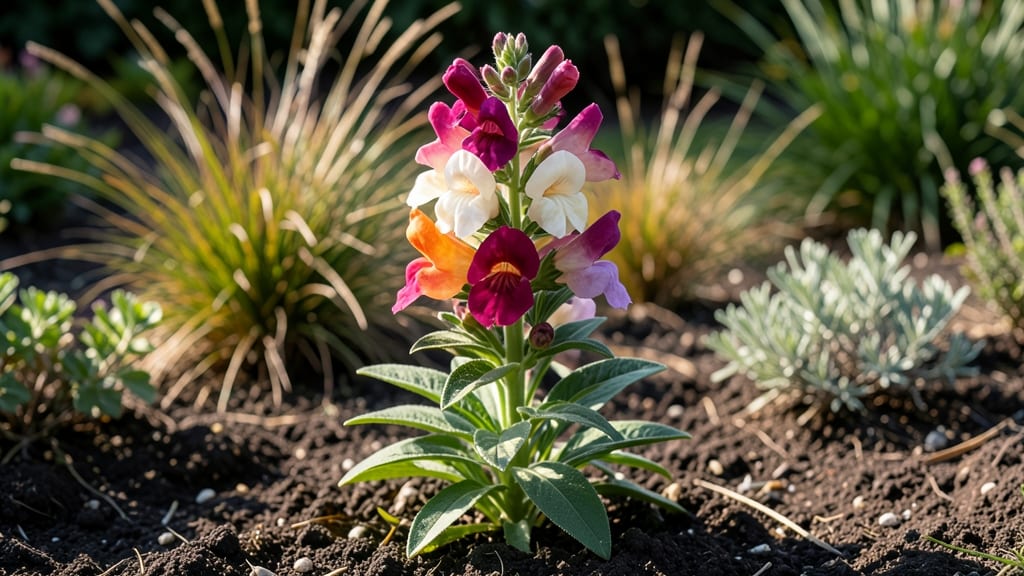
Snapdragons bloom in late spring through fall, but the exact timing depends on your variety and climate—some burst into color by June, while others linger into September.
Wondering why your 🌸 snapdragons refuse to bloom when neighbors’ gardens burst with color? The secret lies in understanding their bloom cycles—because snapdragons don’t all follow the same schedule, and climate zones play a bigger role than most gardeners realize.
Annual varieties like ‘Matrix’ and ‘Rocket’ typically start flowering in early summer, while perennials may wait until late spring. In cooler zones like 6a, blooms arrive later, but heat-sensitive types might need shade to avoid wilting before they even open.
Below, I’ll break down when to expect flowers by variety, how to adjust for your zone, and 5 simple tricks to stretch your snapdragon season from first bud to final frost.
Snapdragon bloom time by variety: when to expect flowers
If you’ve ever planted snapdragons only to wait weeks—or even months—for those iconic spiked blooms to appear, you’re not alone. The truth is, snapdragon bloom time varies wildly depending on the variety you choose.
Some burst into color as early as late spring, while others hold onto their buds until fall frost nips at their heels. Understanding these differences is the key to planning a garden that stays vibrant from June through October.
Most gardeners assume all snapdragons follow the same schedule, but that’s a common misconception. Annual snapdragons, like the popular 'Matrix' series, often bloom 60-90 days after sowing, while perennial varieties may take longer to establish and flower.
Even within annuals, early-season types like 'Rocket' can start blooming in late May, while late-season varieties like 'Triumph' might not peak until September. Let’s break down what to expect—and how to time your plantings for maximum impact.
| Variety | Type | Bloom Window | Reblooming? | Height | Color Palette |
|---|---|---|---|---|---|
| 'Matrix' | Annual | June–October | ✅ Yes (with deadheading) | 12–18" | Multi-color mixes |
| 'Rocket' | Annual | Late May–September | ✅ Yes | 18–24" | Bright reds, oranges, yellows |
| 'Triumph' | Annual | July–October | ✅ Yes | 24–36" | Deep purples, pinks, whites |
| 'Black Prince' | Annual | June–October | ✅ Yes | 24–36" | Dark burgundy, almost black |
| 'Perennial Snapdragon' | Perennial | Late May–July | ❌ No (one-time bloom) | 18–24" | Soft pinks, lavenders |
| 'Dwarf Snapdragon' | Annual | June–September | ✅ Yes | 6–12" | Pastel mixes |
For annual snapdragons, timing your planting is everything. If you sow seeds 4–6 weeks before your last frost date, you’ll catch the early bloom window of varieties like 'Rocket', which thrives in warmer spring soil.
However, if you’re in a cooler climate (like USDA Zone 4), wait until mid-May to avoid bolting—when plants rush to flower too quickly, producing weak stems. Pro tip: Use row covers to extend your growing season by 2–3 weeks in chilly regions.
The 'Matrix' series is a favorite among gardeners because it’s heat-tolerant and reblooms with minimal effort. Unlike perennial snapdragons, which often produce just one flush of flowers in late spring, annuals like 'Matrix' can keep blooming until first frost if you deadhead regularly.
That means snipping off spent blooms every 7–10 days to redirect energy into new flowers. Skipping this step? You’ll miss out on weeks of extra color.
If you’re growing perennial snapdragons, patience is key. These varieties focus their energy on root establishment during their first year, often delaying blooms until year two. Once established, they’ll reward you with fragrant blooms in late May or June, but don’t expect them to rebloom.
For longer-season interest, mix perennials with annual varieties like 'Triumph', which holds its color well into fall.
Color choice also plays a subtle role in bloom timing. Dark-colored snapdragons, like 'Black Prince', often need more sunlight to trigger flowering, so plant them in the sunniest spot in your garden.
Lighter colors, like pastel 'Dwarf Snapdragon' mixes, tend to bloom earlier in the season because they require less energy to produce vibrant petals. This makes them ideal for container gardens or border edges where you want quick color.
One of the biggest mistakes I see gardeners make is assuming all snapdragons will bloom simultaneously. In reality, a well-planned succession planting can give you nonstop blooms from June to October.
Start with early varieties like 'Rocket' in March, follow up with 'Matrix' in April, and finish with 'Triumph' in May. This staggered approach ensures your garden never looks bare, even when some varieties start fading.
For container growers, bloom times can shift slightly due to limited root space. Potted snapdragons may bloom 1–2 weeks later than in-ground plants because their roots can’t access as much moisture and nutrients. To compensate, use a high-quality potting mix with slow-release
Climate zone secrets: adjusting snapdragon bloom timing
Your snapdragon bloom time isn't set in stone—it dances with your USDA climate zone. In cooler zones (3-5), blooms arrive later, often starting in late June and stretching through fall frost.
Meanwhile, gardeners in warmer zones (8-10) may see flowers as early as April, but heat-sensitive varieties might need afternoon shade to prevent wilting. Understanding these patterns lets you time your plantings for peak color when you want it most.
The key difference lies in temperature sensitivity. Snapdragons thrive when nights stay above 50°F (10°C)—too cold delays flowering, while consistent 80°F+ (27°C+) heat can shock buds into dropping. Zone 6-7 gardeners often get the best balance, with blooms from mid-July through September.
But with a few strategic tweaks, you can push those timelines earlier or later to match your garden's rhythm.
| USDA Zone | Typical Bloom Window | Adjustment Tips | Heat/Shade Needs |
|---|---|---|---|
| 3-5 | Late June - October | Start seeds indoors by March 1 for earlier blooms | Full sun; mulch for warmth |
| 6-7 | Mid-July - September | Direct sow after May 15 for fall color | Morning sun, afternoon shade in July |
| 8-10 | April - June (or Sept-Nov) | Sow August-September for fall blooms | Dappled shade; water deeply daily |
For earlier blooms, try these zone-specific tricks: In zones 3-5, start seeds indoors 8-10 weeks before your last frost date using grow lights to simulate longer days. In zones 6-7, plant heat-tolerant varieties like 'Matrix Red' and provide afternoon shade cloth during July's hottest weeks.
Meanwhile, zone 8-10 gardeners can extend fall color by sowing September 1 for blooms until November frost.
Don't overlook soil temperature—snapdragons need 60°F (16°C) soil to germinate. In cooler zones, use black plastic mulch to warm the soil 2-3 weeks earlier than usual. Conversely, in hot zones, shade the soil with straw mulch to prevent seedling stress.
These small adjustments can shift your bloom window by 3-4 weeks in either direction.
Pro tip: Deadheading spent blooms extends the season by 2-3 weeks, but only do this in zones 6-10—cooler zones may not have enough warmth to support reblooming.
Pair this with balanced fertilizer (5-10-10) every 4-6 weeks during active growth. The result? Snapdragons that keep performing like seasonal showstoppers instead of fleeting guests.
Remember, variety matters. 'Rocket' series blooms earliest (often 60 days from seed), while 'Triumph' types take 75-90 days. Match your climate zone and desired bloom time to the right variety—it's the easiest way to guarantee color when you want it.
With these adjustments, your snapdragons will bloom on your schedule, not just Mother Nature's.