
Light Requirements
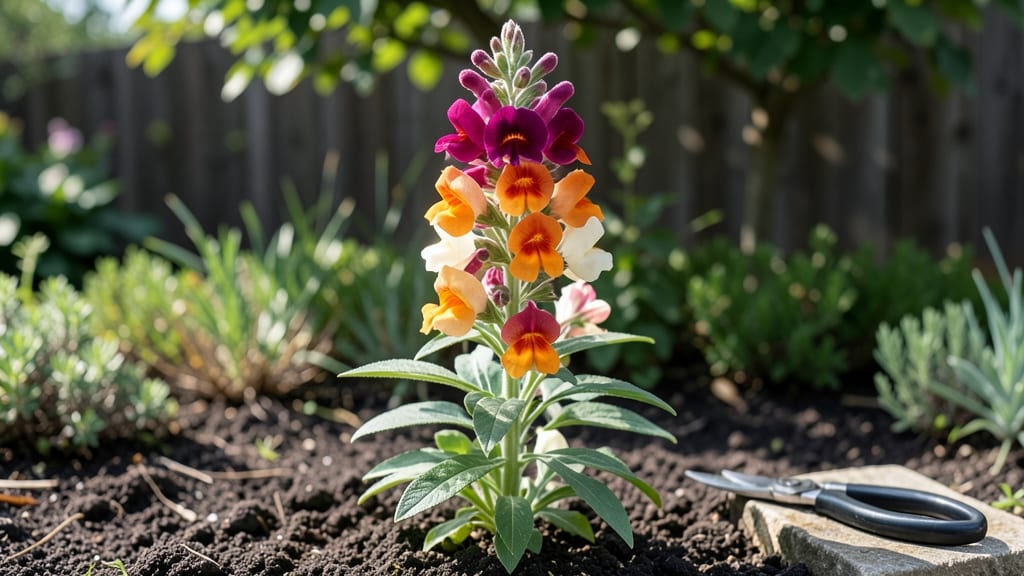
Snapdragons thrive in full sun or shade, but getting the balance right is the key to nonstop blooms and sturdy stems.
Struggling to get your snapdragons to bloom reliably? The secret might be hiding in plain sight—your garden’s light conditions. These vibrant flowers 🌸 love flexibility, but too much sun or too little can leave you with leggy plants or sparse blooms.
In full sun, snapdragons produce the brightest colors and most abundant flowers, but in hotter climates, afternoon shade prevents wilting and leaf burn. Meanwhile, partial shade varieties like 'Black Velvet' can handle 3-6 hours of filtered light without sacrificing bloom time.
Below, I’ll break down the best light strategies for your snapdragons, whether you’re growing them in containers or garden beds, so you can enjoy bold blooms from June through October.

Snapdragon light requirements: full sun vs. partial shade breakdown
Snapdragons are one of those versatile flowers that adapt beautifully to different light conditions, but their performance varies dramatically between full sun and partial shade.
While they can tolerate 3-6 hours of morning sun in hot climates, pushing them beyond their comfort zone leads to leaf scorch or weak stems. Let’s break down how to maximize blooms and plant health based on your garden’s light situation.
The key to happy snapdragons lies in understanding their sunlight spectrum. Most varieties thrive with 6+ hours of direct sun but can handle partial shade if temperatures soar.
However, deep shade (<3 hours) will stunt growth and reduce flowering. Your choice of snapdragon variety also plays a critical role—some like 'Allegro' beg for sun, while others like 'Matrix' tolerate shade better.
Comparison Table: Snapdragon Light Requirements
In full sun, snapdragons reward you with dense, continuous blooms and sturdy stems. Varieties like 'Allegro' and 'Matrix' thrive here, producing 3x more flowers than shade-grown plants. However, watch for leaf burn during midday heat—a sure sign they’re getting too much direct sun.
If your snapdragons start showing crispy edges or yellowing, they’re begging for afternoon shade.
For partial shade, focus on morning sun and afternoon relief. This setup is ideal for hot climates or north-facing gardens. Here, snapdragons like 'Black Velvet' and 'Cupcake' shine, producing vibrant blooms without the stress of scorching.
Just be prepared for slightly fewer flowers compared to full sun—expect 20-30% fewer blooms but with longer-lasting stems.
If you’re stuck with deep shade, don’t give up—just choose the right variety. 'Cupcake' snapdragons are your best bet, though they’ll still struggle to match the bloom density of sun-loving types.
In these conditions, prioritize well-draining soil and regular pinching to encourage bushier growth. You’ll likely see smaller, fewer blooms, but they’ll last longer and add charm to shady corners.
Pro tip: Transplanting snapdragons between sun and shade? Do it gradually over 7-10 days to avoid shock. Move them 1-2 hours closer to shade each day until they’re in their new spot.
This mimics natural light changes and keeps your plants happy. Avoid sudden shifts—your snapdragons will thank you with healthier stems and more vibrant blooms.
Remember, light affects more than just blooms. Snapdragons in full sun need more frequent watering (every 2-3 days in summer) to prevent wilting, while shade-grown plants can go 5-7 days between waterings. Adjust your care routine based on their light conditions, and you’ll enjoy nonstop color all season.
Ready to experiment? Try planting a mix of sun-loving and shade-tolerant snapdragons side by side. Compare their growth, bloom density, and stem strength—you’ll quickly see how light shapes their performance. Happy gardening!
How to adjust your snapdragon care for different light levels
Once you’ve placed your snapdragons in their ideal light spot, the real magic happens in how you care for them. Full sun lovers need different watering, fertilizing, and pruning than those basking in partial shade. Let’s break down how to keep your plants thriving no matter where they’re planted.
The key is adapting your routine to match their light exposure—because a snapdragon in deep shade won’t need the same attention as one soaking up 6+ hours of sun.
Start with watering adjustments. Snapdragons in full sun dry out faster, so I water mine every 2-3 days in summer, using 1-2 inches of water per week. In contrast, shade-dwellers only need watering every 5-7 days—overwatering here leads to root rot.
Always check soil moisture by sticking your finger 1 inch deep before watering; if it’s damp, wait another day.
⚠️ WARNING: Light Transition Shock Moving snapdragons between sun and shade too quickly causes stress. If relocating plants, do it gradually over 7-10 days, shifting them 1-2 hours per day closer to their new light zone. Sudden changes trigger yellowing leaves or stunted growth.
For example, if moving a shade plant to full sun, start by placing it in morning sun only before full exposure. Always monitor for leaf scorch (brown edges) or weak stems—signs of improper adjustment.
Fertilizing also shifts with light. In full sun, snapdragons bloom heavily and need balanced fertilizer (5-10-10) every 4-6 weeks during their growing season. But shade-grown varieties like 'Black Velvet' only need feeding twice in summer—too much fertilizer causes leafy growth at the expense of flowers.
I use a half-strength solution for shade plants and always fertilize in the morning to prevent root burn.
Pruning strategies differ too. Sun-loving snapdragons benefit from deadheading spent blooms weekly to encourage more flowers, while shade varieties often need light pruning only after flowering to maintain shape. For all snapdragons, pinch back new growth tips when plants are 6-8 inches tall to promote bushiness.
Avoid heavy pruning in shade—these plants already grow slower and need their energy reserved for root development.
Troubleshooting light issues starts with the leaves. Yellowing leaves in full sun often signal overwatering or nutrient burn, while pale, leggy stems in shade mean the plant is stretching for light. If blooms fail to open, check for underwatering in sun or overcrowding in shade.
My go-to fix? For sun plants, I add mulch around the base to retain moisture; for shade plants, I thin out nearby foliage to improve air circulation and light penetration.
With these adjustments, your snapdragons will reward you with bold blooms all season, whether they’re basking in full sun or thriving in partial shade. The secret is paying attention to their unique needs—and being willing to tweak your care routine.
Start small, observe your plants, and soon you’ll have a thriving display that’s the envy of the neighborhood! 🌸