
Orchid Care
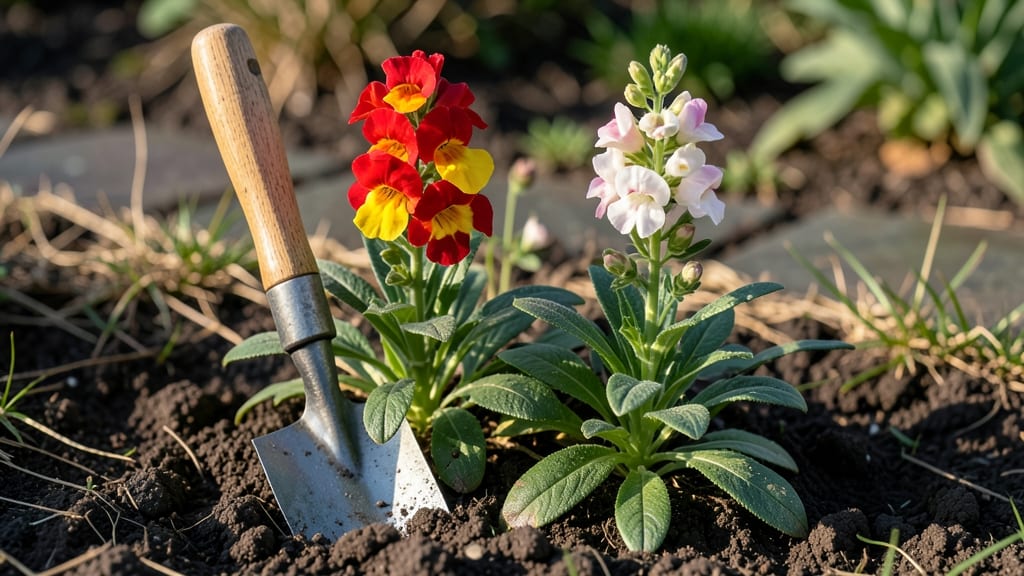
Snapdragons thrive in sun or shade with the right balance — too much of either, and you’ll end up with leggy stems or flowers that refuse to open.
Struggling to coax vibrant blooms from your 🌸? The battle between sun and shade might be the missing piece — discover how to harness light for stunning, long-lasting flowers that steal the show in your garden.
Most snapdragons love 6+ hours of sunlight daily, but varieties like 'Black Knight' handle partial shade better, especially in hot climates where afternoon sun can scorch leaves. The key is matching your plant’s needs to its spot.
In this guide, I’ll break down the best light conditions for your snapdragons, how to adjust care based on sun exposure, and even troubleshoot common problems like fading blooms or weak stems.
 Best Window Placement
Optimal sunlight requirements for snapdragons: how much light do they need?
If you're growing snapdragons, sunlight is the secret ingredient for those vibrant blooms you love. These charming flowers thrive best with full sun exposure, but their needs can vary slightly depending on whether you're growing annual snapdragons or their perennial cousins.
Let me break down exactly how much light your snapdragons need to flourish and how to spot when they're not getting enough.
Most snapdragons crave 6 to 8 hours of direct sunlight daily for robust growth and continuous blooming. Annual varieties, like the popular 'Rocket' or 'Matrix' series, especially love basking in the sun, while some perennial types can tolerate a bit more shade.
Understanding these differences will help you place your plants perfectly in your garden for maximum impact.
Here's a quick reference to help you visualize the ideal light conditions for different snapdragon types:
| Variety Type | Ideal Sunlight | Minimum Tolerance | Best For |
|---|---|---|---|
| Annual Snapdragons | 6-8 hours full sun | 4 hours (partial shade) | Border gardens, containers |
| Perennial Snapdragons | 5-7 hours full sun | 3 hours (partial shade) | Woodland edges, shade gardens |
| Dwarf Varieties | 4-6 hours full sun | 2 hours (bright indirect) | Rock gardens, window boxes |
In hot climates, snapdragons can actually benefit from afternoon shade to prevent wilting. This is especially true for annual varieties, which may show signs of stress like drooping leaves or faded blooms if exposed to intense afternoon sun.
If you notice these symptoms, consider providing some afternoon shade with a light fabric or by planting them near taller plants that offer natural shade.
Seasonal adjustments are key too. During spring and fall, when days are shorter, snapdragons can handle partial shade more easily. But as summer arrives, move them to sunnier spots to maintain those vibrant blooms.
Watch for leggy stems or sparse flowers—these are classic signs your plants aren't getting enough light.
If your snapdragons are struggling, don't despair. You can often revive them by gradually increasing their sunlight exposure. Start by moving them to a slightly sunnier spot for a few hours each day, then slowly extend their time in the sun.
This adjustment helps prevent sunburn while encouraging stronger growth. Pair this with consistent watering and balanced fertilizer to give them the best chance to bounce back.
For container growers, place your snapdragons in a location where they'll receive morning sun and afternoon shade, especially in hotter regions. A south-facing window or a spot on your patio that gets a few hours of direct sunlight can work wonders.
Remember, dwarf varieties are more adaptable to lower light conditions, making them ideal for indoor growing or shaded patios.
One common mistake is assuming all snapdragons thrive in full sun. While they do love light, over-exposure can lead to wilting or bleached petals. Balance is everything—aim for bright, indirect light in shadier spots and filtered sun in hotter areas.
With the right light conditions, your snapdragons will reward you with long-lasting blooms that add color and charm to your garden all season long.
Pro tip: If you're unsure about your garden's light conditions, observe how other plants grow. If your roses or petunias thrive in a spot, your snapdragons likely will too.
And if you're still unsure, grab a light meter or use a simple app to measure the lux levels in your garden—aim for 10,000 to 20,000 lux for optimal snapdragon growth.
With these sunlight guidelines, your snapdragons will be well on their way to becoming the star of your garden. Happy growing! 🌸
Shade-tolerant snapdragons: best varieties and growing tips for low-light gardens
If you’ve ever watched your snapdragons wilting under harsh sun or struggling to bloom in shady spots, you’re not alone. The good news? Some snapdragon varieties thrive in partial shade, making them perfect for woodland gardens, north-facing beds, or even container gardens on patios.
These shade-tolerant cultivars bring the same vibrant blooms and vertical drama without the sunburn risk.
For low-light success, focus on soil moisture retention and nutrient-rich amendments. Shade-loving snapdragons prefer well-draining, slightly acidic soil (pH 6.0-7.0) with added organic matter. A 2-3 inch layer of mulch helps regulate soil temperature and reduces water evaporation—critical in dimmer conditions where plants grow slower.
Pro Tip: Pair your snapdragons with companion plants like heuchera (coral bells) or astilbe to create a layered, shade-friendly display. These plants share similar water and light needs while adding contrasting textures and colors to your garden.
Snapdragons in Shade vs. Sun: Quick Comparison
✅ Shade-Tolerant Snapdragons
- 'Black Knight' – Deep purple blooms, thrives in partial shade
- 'Cupcake' Series – Compact, colorful, ideal for containers
- 'Matrix' Series – Heat-tolerant, handles morning sun + afternoon shade
- Longer stems in shade (great for cutting gardens)
- Fewer pests (aphids struggle in cooler, shady conditions)
❌ Challenges in Shade
- Leggy growth (etiolation) from insufficient light
- Fewer blooms if light drops below 3-4 hours/day
- Slower growth requires more frequent fertilizing
- Prone to fungal issues (overhead watering + humidity)
- Paler flowers (less intense pigmentation)
💡 Best Shade Spot: Dappled sunlight (e.g., under deciduous trees) or east-facing beds with morning sun.
When planting shade-tolerant snapdragons, choose a location with at least 3-4 hours of indirect light daily. Varieties like 'Black Knight' or the 'Cupcake' series are my top picks—their compact growth and bold colors make them stand out even in low-light areas.
For containers, opt for self-watering pots to prevent soil from drying out too quickly.
To boost blooms in shady spots, feed lightly every 3-4 weeks with a balanced fertilizer (5-10-10). Avoid heavy nitrogen—it promotes leafy growth over flowers. Instead, use a phosphorus-rich fertilizer to encourage blooming.
Deadhead spent flowers regularly to redirect energy into new buds, especially in partial shade where growth is slower.
For a low-maintenance shade garden, group snapdragons with hostas or ferns to create a lush, layered look. These companions thrive in similar moist, cool conditions while providing textural contrast. Just avoid planting near competitive ground covers like mint, which can steal nutrients and water.
With the right variety, soil prep, and companions, your shade garden can become a snapdragon paradise. Try experimenting with 'Matrix Ruby' or 'Cupcake Mix' this season—you’ll be amazed at how vibrant they bloom in spots where other flowers struggle. Happy gardening! 🌿