
Shrubs
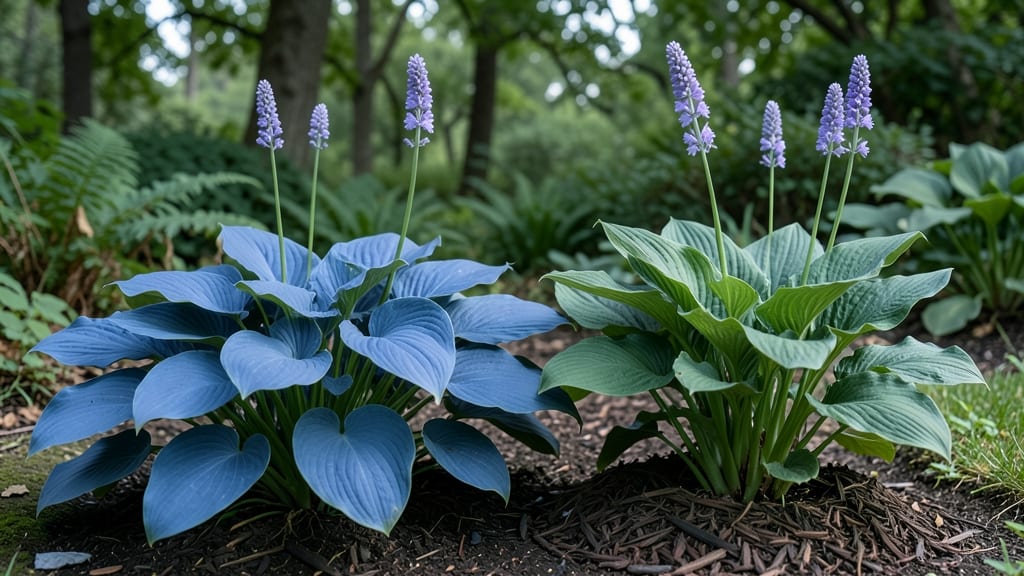
The perfect balance of sun and shade reveals the unsung heroes of any garden—plants that flourish where full sun would scorch. 🌿 I’ve designed my shady corners with these beauties, and the results are lush, vibrant, and effortless.
The trick is matching plants to the light they naturally crave, not forcing them into harsh conditions. Start with shade-loving shrubs like hydrangeas or azaleas near north-facing walls, where morning sun fades to dappled shade. Add perennials like hostas or ferns under trees for texture and color.
A simple pergola with climbing roses creates a light-filtering canopy, turning a dull corner into a layered, living tapestry. By summer, your garden will burst with blooms and foliage that others can’t grow.
The key is observing how light shifts throughout the day—what’s bright at noon may turn soft by afternoon. Even a small adjustment in placement can mean the difference between struggling plants and a thriving oasis. This approach works for any yard, from city balconies to sprawling estates.
Let’s bring your shady spots to life without the guesswork.
📚 In This Guide
- What you need
- Instructions
- Tips and common mistakes
- Wrapping up and next steps
What you need
- ● Sun-and-shade-tolerant shrubs (5–10 plants): Examples: Hydrangea, Azalea, Pieris japonica, Fothergilla, or Viburnum (check local climate zones for best fits!).
- ● Size: 1–3 gallon pots (young plants) or bare-root (for budget-friendly bulk planting).
- ● High-quality potting soil (2–3 bags): Mix: 60% topsoil, 30% compost, and 10% perlite/sand for drainage.
- ○ Optional: Slow-release fertilizer (e.g., 10-10-10 or organic options like fish emulsion).
- ● Mulch (1–2 bags): Type: Shredded bark or pine straw (2–3 inches thick) to retain moisture and regulate temperature.
- ● Garden trowel or spade (for digging holes 2x wider than the root ball).
- ● Gloves (heavy-duty for thorny plants like Viburnum).
- ● Watering can or hose with a gentle spray nozzle (avoid blasting roots!).
- ● Pruners (sharp & clean) for shaping or trimming after planting.
- ○ Optional but helpful: Soil pH test kit (aim for 5.0–6.5 for acid-loving shrubs like azaleas).
- ● Drip irrigation kit (for low-maintenance watering).
- ● Plant markers (to track varieties).
- ● Location scouting: Identify spots with 3–6 hours of dappled sunlight (e.g., under tall trees or near buildings).
- ● Soil prep: Test and amend soil 2 weeks before planting if compacted or poor-draining.
- ● Timing: Plant in early spring or fall (avoid extreme heat or frost).
How to design a thriving sun-and-shade garden
Here’s how to create a balanced garden where sun-loving and shade-tolerant plants coexist beautifully.
🌿 Step 1: Map Your Garden’s Light Zones
Start by observing your garden throughout the day. Note where sunlight hits first (usually south-facing areas in the Northern Hemisphere) and where shadows linger. Use a pencil to mark zones: full sun (6+ hours), partial shade (3-6 hours), and deep shade (less than 3 hours). I like to check at midday and again in the late afternoon—this reveals how shadows shift.
Next, sketch a simple layout. This helps you visualize where sun-lovers like lavender or roses can thrive and where shade-tolerant plants like ferns or hostas will feel at home. Don’t forget to account for nearby trees or structures that block light. You’ll see patterns emerge—some areas might have dappled light, where sunlight filters through leaves in patches.
🌱 Step 2: Choose Plants for Each Light Zone
For full sun areas, select plants like daylilies, coneflowers, or black-eyed Susans—they’ll reward you with bold blooms. In partial shade, opt for astilbes, bleeding hearts, or hydrangeas, which handle morning sun but appreciate afternoon relief. For deep shade, hostas, hellebores, or lungworts will thrive where others would struggle.
I always group plants by their light needs to avoid stress. For example, place shade-loving ferns near a northern wall and sun-seekers like sedum along a south-facing border. This reduces competition and keeps your garden looking intentional. Check plant tags for light requirements—this small step prevents future disappointments.
☀️ Step 3: Layer Plants for Depth and Balance
Start with taller plants (like ornamental grasses or shrubs) at the back, then add mid-height plants (such as astilbes or peonies), and fill the front with low-growing ground covers (like ajuga or creeping phlox). This creates visual interest while ensuring no plant feels crowded. In shadier spots, use variegated foliage—like Japanese painted ferns—to brighten the space.
Pay attention to textures too. Pair smooth-leaved plants (like hostas) with feathery ones (like astilbes) for contrast. You’ll notice how the combination of light and shadow makes the garden feel dynamic. Mulch with shredded bark or wood chips to retain moisture and suppress weeds—critical in mixed-light gardens where watering needs vary.
💧 Step 4: Adjust Watering for Light Conditions
Sun-loving plants need consistent moisture, especially in hot afternoons, while shade plants may dry out more slowly. Water deeply in the morning for sun zones and in the evening for shade areas to prevent evaporation. Use a rain gauge or stick your finger into the soil—if the top 1 inch feels dry, it’s time to water.
I’ve learned the hard way that overwatering shade plants can lead to root rot, while underwatering sun plants causes wilting. Adjust your routine seasonally—summer demands more frequent watering, while spring and fall are more forgiving. A drip irrigation system helps automate this, ensuring each plant gets the right amount.
✂️ Step 5: Maintain and Adapt Over Time
Check your garden monthly for signs of stress—yellowing leaves, leggy growth, or sparse blooms. These clues tell you if a plant is getting too much or too little light. If a sun-lover fades in a hot spot, try moving it slightly east or west for partial shade. Conversely, if a shade plant struggles, it might need more protection from afternoon sun.
Prune regularly to encourage healthy growth. Cut back dead or overgrown stems in early spring, and deadhead spent blooms to prolong flowering. This keeps your garden looking fresh and gives plants room to breathe. Over time, you’ll develop an instinct for what works—like knowing that hostas thrive under a specific tree’s canopy while impatiens need a sunnier perch.
Tips & tricks for perfect sun-and-shade plant pairings
These simple strategies will help you create a thriving garden where every plant gets exactly what it needs—no more wasted sunlight or struggling greenery.
Light Zone Mapping: I can’t stress enough how important it is to observe your garden at different times of day. Shadows shift dramatically—what’s full sun at noon might be partial shade by afternoon. Use a simple app like Sun Surveyor to track light patterns for a week before planting. This avoids costly mistakes like placing sun-loving succulents in your backyard’s shadiest corner.
Plant Placement Strategy: When arranging your garden, think vertically as much as horizontally. Tall trees or shrubs create natural shade zones below them—perfect for hostas or ferns. I’ve found that placing shade-tolerant plants like astilbes on the north side of sun-lovers (like daylilies) creates a beautiful transition zone where both plants thrive. This layered approach maximizes space and minimizes competition.
Seasonal Light Shifts: Remember that light conditions change with the seasons. What’s full sun in summer might become partial shade in winter when trees are bare. Choose plants with flexible light requirements—like Japanese forest grass or coral bells—that can adapt to these seasonal shifts. I always err on the side of shade when in doubt, as most plants prefer less light than they can tolerate.
Soil Prep for Mixed Light: Different light zones often mean different soil needs. Sun-loving plants typically prefer well-draining soil, while shade plants often thrive in richer, more moisture-retentive soil. Before planting, test your soil’s pH and amend it accordingly—adding compost to shady areas and coarse sand to sunny spots. This small step makes all the difference in plant health and vigor.
Pro Tips for Sun And Shade
- These simple strategies will help you create a thriving garden where every plant gets exactly what it needs—no more wasted sunlight or struggling greenery.
- Light Zone Mapping: I can’t stress enough how important it is to observe your garden at different times of day.
- Plant Placement Strategy: When arranging your garden, think vertically as much as horizontally.
Frequently asked questions
Got questions about sun and shade plants?
You’re not alone! Here are answers to the most common queries about these dappled-light darlings.
What exactly is "dappled light," and how do I know if my garden gets it?
Dappled light is filtered sunlight that plays on leaves through tree canopies or lattice structures, creating patches of sun and shade. To test your garden, place a white sheet on the ground for a few hours—if it has bright spots but also shaded areas, you’ve got dappled light! Trees like oaks or maples are classic indicators.
Can sun and shade plants handle full sun or deep shade?
Most sun and shade plants prefer dappled light, but some tolerate mild adjustments. For example, Hosta and Astilbe can handle partial shade (2–6 hours of sun), while Heuchera may scorch in full sun. Deep shade (under dense trees) can stunt growth—opt for shade-tolerant varieties like Ferns or Lungwort if needed.
Why are my sun and shade plants looking sad—are they getting too much (or too little) light?
Yellow leaves? Too much sun. Leggy stems or pale foliage? Too little. Check the leaf color—healthy dappled-light plants often have variegated or deep green hues. If leaves scorch (brown edges), move them further from direct sun. If they stretch or fade, add a sheer cloth or relocate to a brighter spot.
What are the best low-maintenance sun and shade plants for beginners?
Start with these hardy, fuss-free picks:
- Hostas – Thrives in shade, pest-resistant.
- Heuchera (Coral Bells) – Colorful foliage, drought-tolerant.
- Ferns (e.g., Maidenhair or Japanese Painted) – Loves moisture, minimal care.
- Astilbe – Feathery plumes, great for borders.
Can I grow sun and shade plants in containers?
Use well-draining pots (10+ inches deep) and a lightweight potting mix with perlite. Choose compact varieties like Dwarf Hostas or Miniature Heuchera. Place containers where they get morning sun + afternoon shade—rotate pots occasionally for even growth. Water consistently (containers dry out faster!).
Wrapping up and next steps
Embrace the beauty of sun and shade plants—they’re the perfect solution for spots where full sun feels too harsh, yet full shade lacks vibrancy! 🌿 Whether you’re revamping a garden corner, brightening a patio, or simply adding life to tricky spaces, these dappled-light lovers bring effortless charm with minimal fuss. Start small: pick one or two plants from this guide, experiment with placement, and watch your space transform into a thriving, low-maintenance oasis.
🌱 Your Next Step: Plant & Play!
Ready to dive in? Grab your gloves, pick a spot, and let nature do the rest! Check local nurseries for these varieties, or explore online plant communities for inspiration. Pro tip: Snap a photo of your progress—you’ll love seeing how far your green thumbs (and these resilient plants) have come!