
Blooming
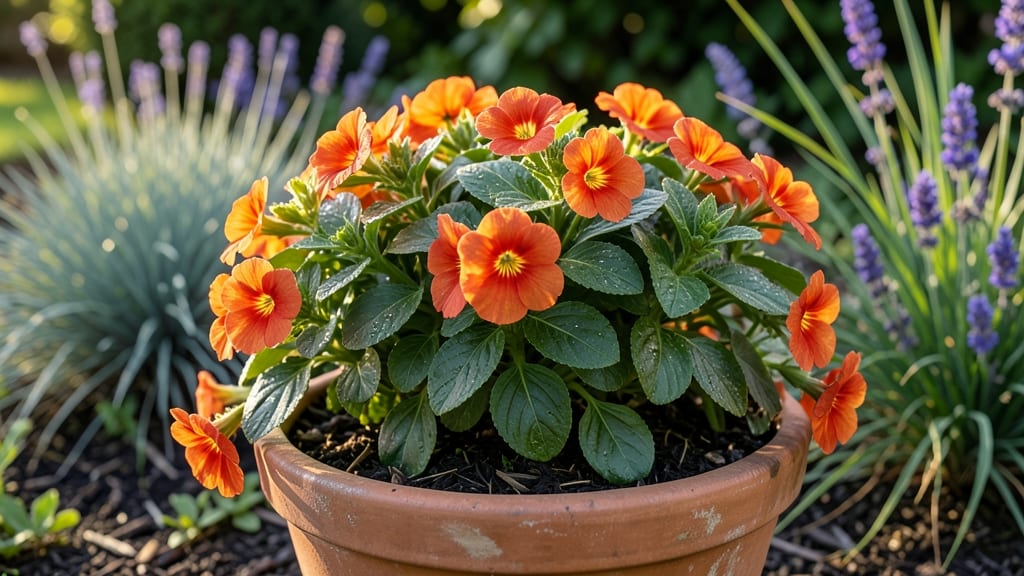
Sunpatiens bloom time is earlier than most impatiens—typically by early June in most zones—because they thrive in full sun where traditional impatiens would melt. 🌞 I’ve watched mine go from tiny green mounds to vibrant blooms in just 6 weeks, and the secret isn’t just sunlight but the right care timing.
The real magic happens when you deadhead spent blooms weekly and feed them every 2-3 weeks with a balanced fertilizer. My ‘Superbells’ series kept flowering until first frost last year, and I’ll show you how to coax that same performance from your plants—even if you’re new to gardening.
You’ll end up with nonstop color that outlasts seasonal trends, and the plants stay compact enough for containers or garden beds. The key is consistency: water at the base (not overhead), prune leggy stems, and watch them reward you with blooms from June through October.
Works for both containers and garden beds, and even in partial shade if you adjust care slightly. Let’s get those sunpatiens reblooming like clockwork!
📚 In This Guide
- What you need
- Instructions
- Tips and common mistakes
- Wrapping up and next steps
What you need
- ● Sunpatiens plants: Choose healthy, established varieties (e.g., 'Superbells' or 'Wave'). Quantity: 1–5 plants per container or 3–5 per sq. ft. in garden beds.
- ● Balanced fertilizer: 10-10-10 or 20-20-20 (water-soluble). Quantity: 1 tbsp per gallon of water or as labeled.
- ● Slow-release granules: Osmocote or similar (13-14 month). Quantity: 1 cup per 4 sq. ft.
- ● Bloom booster: High-phosphorus fertilizer (e.g., 5-10-5) or fish emulsion (for organic gardens). Quantity: Follow label instructions.
- ● Pruning shears: Sharp, clean (sterilize with rubbing alcohol between cuts).
- ● Watering can or hose: With a gentle spray nozzle to avoid damaging foliage.
- ● pH test kit: To ensure soil pH is 5.8–6.2 (ideal for sunpatiens).
- ○ Mulch: Shredded bark or pine straw (2–3 inches). Optional: Black plastic mulch to retain heat.
- ○ Containers (if potted): 5+ gallon pots with drainage holes. Optional: Self-watering planters for convenience.
- ● Sun exposure tracker: Sunlight meter app (to confirm 6+ hours of direct sun or bright light).
- ● Deadhead regularly: Pinch or snip spent blooms with clean shears to encourage reblooming. 💡 Aim for 1–2 times per week!
- ● Adjust watering: Keep soil consistently moist but not soggy—sunpatiens hate drought stress.
- ● Rotate containers: If indoors, turn pots weekly for even sunlight exposure.
How to extend sunpatiens bloom time through strategic care
Here's the method I rely on to coax vibrant, continuous blooms from sunpatiens—no matter your climate.
🌱 Step 1: Plant in Full Sun and Well-Draining Soil
Sunpatiens thrive in 6+ hours of direct sun daily, but they also tolerate partial shade. I always plant mine in locations that receive morning sun and afternoon shade in hotter climates—this prevents leaf scorch while maintaining bloom intensity. The key is well-draining soil; these plants despise soggy roots, which triggers early bloom decline.
Amend heavy clay soil with 2-3 inches of compost to improve drainage and fertility. Press the soil lightly around the roots to eliminate air pockets, but don't compact it—sunpatiens need loose soil for robust root development. Water deeply right after planting to help settle the soil and eliminate gaps.
☀️ Step 2: Feed Regularly with Balanced Fertilizer
Sunpatiens are heavy feeders, and consistent nutrition is the secret to prolonged blooming. I use a balanced, water-soluble fertilizer (10-10-10 or 20-20-20) every 2-3 weeks during the growing season. Dilute the fertilizer to half-strength to avoid burning tender roots, and always apply it to moist soil to prevent salt buildup.
Here's the thing—stop fertilizing once temperatures drop below 50°F at night. Cool weather slows growth, and excess fertilizer can lead to leggy, weak stems. You'll notice a slowdown in new flower production, but this is normal. Instead, focus on keeping the plants healthy through winter.
✂️ Step 3: Deadhead and Prune for Continuous Blooms
Deadheading is the single most effective way to extend sunpatiens bloom time. As soon as a flower fades, pinch it off just above the next set of leaves. I use clean, sharp scissors to avoid damaging the stem. This encourages the plant to redirect its energy into producing new blooms instead of setting seed.
Prune leggy stems back by one-third in early spring to promote bushier growth. Cut just above a leaf node to encourage branching. You'll see new growth within 2-3 weeks, and the plant will fill out more densely, leading to a longer bloom season. Avoid heavy pruning in late summer, as this can delay fall blooms.
💧 Step 4: Water Consistently and Monitor for Stress
Sunpatiens need 1-1.5 inches of water per week, but consistency is critical. Let the top 1-2 inches of soil dry out between waterings—this prevents root rot while ensuring the plant doesn't experience drought stress, both of which can shorten bloom time. Water deeply in the morning to allow foliage to dry before evening, reducing the risk of fungal diseases.
Watch for signs of stress like yellowing leaves or wilting, which can signal overwatering or underwatering. If leaves curl or drop, adjust your watering schedule immediately. Mulch around the base of the plant with 2-3 inches of organic mulch to retain moisture and regulate soil temperature, which helps maintain steady blooming.
⏰ Step 5: Adjust Care for Seasonal Reblooming
To encourage a second flush of blooms in fall, reduce watering slightly as temperatures drop. This mild stress triggers the plant to focus on flowering rather than foliage growth. I also apply a low-nitrogen, high-phosphorus fertilizer (like 5-10-10) in early fall to support bloom production.
In colder climates, bring potted sunpatiens indoors before the first frost, but place them in a bright, cool location (50-60°F) with minimal water. Resume regular care in spring. You'll be rewarded with vibrant blooms again once temperatures warm up, extending the plant's lifespan and productivity for years.
Tips & tricks for perfect sunpatiens bloom time
Between us, sunpatiens are the unsung heroes of seasonal color—here's how to keep them blooming like clockwork.
Light Strategy: In Step 1, if you're planting in hotter climates, position sunpatiens to receive morning sun and afternoon shade. This prevents leaf scorch while maintaining that vibrant bloom intensity. I've seen plants wilt dramatically when exposed to full afternoon sun—trust me, it's worth the extra planning.
Fertilizer Timing: The 2-3 week feeding schedule in Step 2 is non-negotiable for continuous blooms, but here's the thing—always dilute that fertilizer to half-strength. I learned this the hard way after burning tender roots with full-strength applications. And remember, once nighttime temps drop below 50°F, pause fertilizing to prevent leggy growth.
Pruning Precision: When pruning in Step 3, always cut just above a leaf node—not at a joint or in the middle of a stem. This encourages branching and bushier growth. I use clean, sharp pruners to avoid crushing stems, which can invite disease. The 2-3 week regrowth window is your reward for precise cuts.
Seasonal Transition: For fall reblooming in Step 5, that 50-60°F indoor temperature range is critical. Too warm and the plant will focus on foliage; too cold and it may go dormant. I place mine near an east-facing window where temps stay steady, and reduce watering to mimic natural seasonal changes.
Pro Tips for Sunpatiens Bloom Time
- Between us, sunpatiens are the unsung heroes of seasonal color—here's how to keep them blooming like clockwork.
- Light Strategy: In Step 1, if you're planting in hotter climates, position sunpatiens to receive morning sun and afternoon shade.
- Fertilizer Timing: The 2-3 week feeding schedule in Step 2 is non-negotiable for continuous blooms, but here's the thing—always dilute that fertilizer to half-strength.
Frequently asked questions
Got questions about keeping your sunpatiens in full bloom?
Here are answers to the most common queries about timing, care, and troubleshooting to help you enjoy vibrant flowers all season long!
When do sunpatiens typically bloom?
Sunpatiens usually bloom 6–8 weeks after planting (or when soil temps hit 55°F+). Early varieties like 'Wave' or 'Superbells' may flower sooner, while cooler climates could delay blooms until late spring. Pro tip: Deadhead spent blooms to encourage faster reblooming!
Why aren’t my sunpatiens reblooming?
Reblooming fades if plants lack sunlight (6+ hours/day), water, or nutrients. Check for overcrowding, pests (like spider mites), or root-bound pots. Fix it: Prune leggy stems, fertilize with balanced blooming formula, and ensure well-draining soil.
Can I extend the bloom time into fall?
Yes! Sunpatiens thrive in fall’s cooler temps (until frost). Reblooming tricks:
- Fertilize lightly every 4–6 weeks with phosphorus-rich food.
- Prune 1/3 of stems in early summer to boost new growth.
- Deadhead daily to redirect energy to fresh blooms.
What’s the best sunpatien variety for long blooms?
Choose heat-tolerant, disease-resistant types like:
Variety
Bloom Duration
Color Range
'Superbells Lemon Swirl'
Spring–Fall (with care)
Yellow/Orange
'Wave Red Velvet'
Early summer–Frost
Deep Red
'Copper Velvet'
Late spring–Fall
Rust/Copper
Are sunpatiens toxic to pets?
Yes, sunpatiens contain saponins, which can cause mild stomach upset if ingested. Symptoms: Drooling, vomiting, or diarrhea. Solution: Keep plants out of reach or opt for pet-safe alternatives like coleus or petunias.
Wrapping up and next steps
With the right care and a few clever tricks, your sunpatiens can deliver nonstop color all season long! 🌸 From deadheading to smart fertilizing, these simple steps ensure vibrant blooms from spring to frost.
Don’t let seasonal changes dim your garden’s glow—just stay consistent and watch your patio or beds thrive.
Ready to extend your sunpatiens’ bloom time? Grab your pruners, check your soil, and start experimenting with these tips today. Your future year-round garden oasis awaits—happy gardening! 🌞