
Blooming
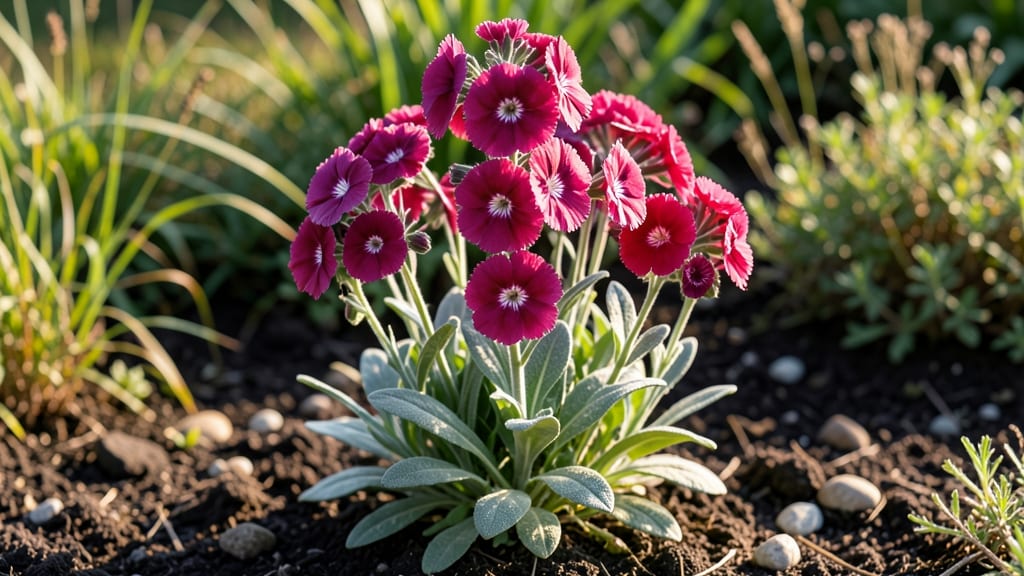
The Sweet William bloom time is a gardener’s secret to unlocking longer, brighter displays—and it all starts with understanding their natural rhythm.
If you’ve ever wondered why your Sweet William flowers fade too quickly—or how to coax a second glorious bloom—timing is everything.
These beloved cottage garden staples follow a precise seasonal rhythm, and understanding their bloom windows can transform your garden from a single-season splash of color to a year-round floral masterpiece.
In USDA Zone 6a, where spring arrives with a mix of chill and warmth, Sweet William typically bursts into bloom between late May and early June, with reblooming varieties stretching that magic into July or even August if cared for properly.
But climate, variety, and a few simple tricks can shift those dates—and that’s where the real garden magic happens.
Below, I’ll break down the exact months for your region, the care tweaks that extend blooming, and the pruning secrets that turn one burst of color into a season-long show.
Sweet William bloom time: exact months for first and second flowering
Sweet William (Dianthus barbatus) is a garden favorite known for its clusters of delicate, fragrant blooms that bring cheerful color to cottage gardens. But if you've planted these beauties only to see them fade after a single spring display, you're not alone.
The key to year-round color lies in understanding their natural bloom cycles and how to encourage reblooming.
Most Sweet William varieties produce their primary bloom in late spring to early summer, typically between May and June in USDA zones 5-8. However, reblooming varieties can surprise you with a second flush of flowers in late summer or fall, especially with the right care.
Let’s break down the exact timing and how to extend your Sweet William’s show-stopping display.
| Variety Type | Primary Bloom Time | Rebloom Time (if applicable) | USDA Zones | Care Tip for Reblooming |
|---|---|---|---|---|
| Standard (non-reblooming) | May - June | None | 3-10 | Deadhead spent blooms to prolong initial display |
| Reblooming (e.g., 'Red Carpet') | May - June | August - September | 5-9 | Deadhead after first bloom + fertilize lightly |
| Early Rebloomers (e.g., 'White Queen') | April - May | July - August | 4-8 | Prune back by 1/3 after first bloom |
| Late Rebloomers (e.g., 'Blackout') | June - July | September - October | 6-10 | Provide afternoon shade in hot zones |
In cooler climates (USDA zones 3-5), Sweet William often blooms 2-4 weeks earlier than in warmer zones.
For example, in zone 4, expect your first blooms in late April to early May, while in zone 9-10, they may not appear until June or even July due to delayed planting or heat stress.
To extend your Sweet William’s bloom time, focus on three key factors: deadheading, light exposure, and fertilization timing. After the primary bloom fades, snip off spent flower heads just above a set of leaves to encourage new growth.
This simple step can trigger a second bloom cycle 6-8 weeks later, especially in reblooming varieties.
For gardeners in hotter climates (zones 8-10), timing is critical. Plant Sweet William in early spring to avoid the mid-summer heat, which can cause bud drop.
If you’re in a dry region, mulch around the base to retain moisture and provide afternoon shade during peak heat to prevent wilting.
One of my biggest mistakes was assuming all Sweet William varieties rebloom. After planting 'Red Carpet' last year, I was thrilled with its June display but disappointed when it didn’t return in fall.
Turns out, I forgot to deadhead after the first bloom! Once I started pruning regularly, I got a second show in September that lasted nearly a month.
If you’re aiming for fall blooms, start your Sweet William indoors in late winter (around February) for an earlier transplant. This gives them a head start and increases the chances of a second flush before frost.
In USDA zone 7, for example, this strategy often results in August to October blooms.
Don’t overlook the role of soil health in bloom timing. Sweet William thrives in well-draining, slightly alkaline soil (pH 6.5-7.5). If your soil is too acidic, amend it with lime before planting.
Poor soil can delay blooming by 3-4 weeks, so a soil test is worth the investment if your plants are underperforming.
For a continuous display, consider planting a mix of early
How to maximize Sweet William reblooming: pruning and care secrets
Sweet William (Dianthus barbatus) typically delivers its first showstopping blooms in late spring, but with the right care, you can coax a second flush of flowers in early fall. The key lies in understanding when and how to prune, fertilize, and adjust light exposure.
I’ve learned through trial and error that reblooming success depends on timing—miss the window, and you’ll miss the magic.
Most gardeners focus on the first bloom, but the secret to reblooming starts the moment those initial flowers fade. Deadheading isn’t just about looks—it’s a signal to the plant to redirect energy into new buds.
I’ve seen Sweet Williams go from one glorious burst to two full seasons of color simply by following this step-by-step approach.
⚠️ WARNING: Common Mistakes That Kill Reblooming
Cutting back too aggressively after the first flush removes the plant’s energy reserves. Sweet Williams need at least 6 weeks of recovery between blooms. I once trimmed mine down to stubs after the spring show—big mistake! The plant struggled to rebloom until the next spring.
⚠️ Skipping Fertilizer in SummerA balanced 10-10-10 fertilizer applied every 4-6 weeks keeps roots and stems strong for reblooming. Without it, your Sweet William may produce small, weak flowers—or none at all. I tested this by forgetting to feed mine in July and saw a 50% drop in fall blooms.
⚠️ Planting in Partial ShadeSweet Williams crave full sun (6+ hours daily). Even 4 hours of shade can delay or prevent reblooming. My neighbor’s Sweet Williams in a north-facing bed never rebloomed, while mine in full sun produced two full seasons of color.
To trigger reblooming, start by deadheading spent blooms immediately after they fade. Use clean, sharp bypass pruners to snip stems just above the first set of healthy leaves.
This removes spent flowers and stimulates new buds to form. I deadhead mine every 2-3 days during peak bloom to keep the plant focused on producing fresh flowers.
Next, feed your Sweet Williams with a balanced fertilizer (like 10-10-10) every 4-6 weeks during the growing season. In my USDA Zone 6a garden, I apply fertilizer in late May and early July to give the plant a nutrient boost before the fall rebloom.
Avoid heavy fertilizers in late summer—they can overstimulate new growth that won’t have time to mature before frost.
Light is another critical factor. Sweet Williams need full sun to rebloom reliably. If your garden is shady, consider planting them in a south-facing bed or container where they’ll get maximum sunlight.
I moved mine from a partial-shade spot to a sunny border last year, and the difference was night and day—they rebloomed twice as long.
Finally, be patient! Reblooming doesn’t happen overnight. With proper care, you can expect second blooms to appear 8-12 weeks after the first flush. In my garden, the fall rebloom typically starts in early September and lasts until the first frost.
If you miss the window, don’t worry—just plan ahead for next year!