
Light Requirements
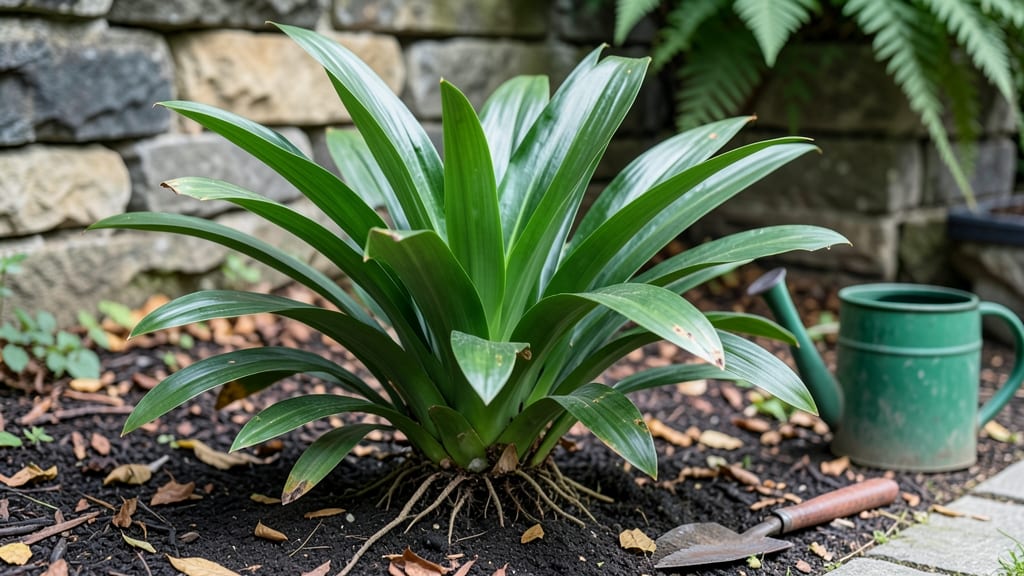
Texas full shade gardens aren't just possible—they're lush, fragrant, and full of life. 🌿 I've spent years transforming shady spots under oak trees and north-facing walls into vibrant oases, and these native plants are the secret to success.
They handle Texas heat better than most, resist drought once established, and outperform non-natives in our tough conditions.
The key is matching plants to your shade type: deep shade under dense canopies needs different care than dappled light from partial shade. Most thrive in well-draining soil with occasional watering—once established, they'll handle our dry spells like pros.
My go-to list includes tough shrubs like Turk's cap, ground covers like frogfruit, and shade-loving perennials that bloom reliably year after year.
What you'll end up with is a garden that stays green when others wilt, blooms through summer heat, and attracts pollinators without needing constant attention.
The fragrance of Mexican petunia in evening air and the velvety texture of Texas betony leaves create a sensory experience that makes full shade the most relaxing spot in your yard.
Whether you're working under a live oak's sprawling branches or along a north-facing foundation, these plants adapt beautifully to Texas conditions. The best part? They require less maintenance than sun-lovers once they're settled in—perfect for busy gardeners who still want that lush, thriving look.
📚 In This Guide
- What you need
- Instructions
- Tips and common mistakes
- Wrapping up and next steps
What you need
- ● Full shade plants: 3–5 native or shade-tolerant species (e.g., Mexican Bush Sage, Texas Betony, or Cast Iron Plant). Buy 1–2 gallon pots per plant for easier establishment.
- ● High-quality soil: 2–3 cubic yards of well-draining, organic-rich soil (amend with compost if your native soil is clay-heavy).
- ● Mulch: 2–3 bags of shredded bark or pine straw (3–4 inches deep) to retain moisture and regulate soil temperature.
- ○ Watering can or hose: A soaker hose or drip irrigation system (optional but ideal for consistent moisture).
- ● Gloves & pruners: A pair of gardening gloves and sharp pruners for planting and maintenance.
- ● Fertilizer: Slow-release, organic fertilizer (e.g., 10-10-10 or compost tea) for nutrient boosts.
- ● Shade cloth: If your area gets partial shade, use 30–50% shade cloth to filter harsh afternoon sun.
- ● Plant markers: Biodegradable labels to track your shade-loving greens.
- ● Soil pH test kit: Ensure your soil’s pH (6.0–7.0 is ideal for most Texas shade plants).
- ● Drip irrigation timer: Automate watering for fuss-free care.
Step-by-Step guide to establishing a Texas full shade garden
Here's how to create a lush, sun-free oasis that thrives in Texas' intense shade conditions.
🌱 Step 1: Assess Your Shade Conditions
Texas shade varies wildly—what looks like deep shade in winter may get 1-2 hours of morning sun in summer. Walk your space at 10 AM and 2 PM on a clear day to map light exposure. True full shade (no direct sun) is rare in Texas, so aim for plants that tolerate 2-4 hours of filtered light at most.
I mark the area with stakes to identify zones: deep shade (under large trees), partial shade (along north-facing walls), and dappled light (under deciduous trees). This helps me select plants that match each microclimate. For example, ferns and caladiums thrive in deep shade, while impatiens handle a bit more light.
🪴 Step 2: Prepare the Soil for Moisture-Retentive Conditions
Texas clay holds water poorly, so amend it with 3-4 inches of organic matter like compost or well-rotted leaf mold. Work it into the top 12 inches of soil to improve drainage while retaining moisture. I like to mix in 1 part perlite to 3 parts compost for a looser texture that prevents compaction.
Test your soil's moisture level by squeezing a handful—it should hold together but not feel soggy. If it crumbles easily, add more organic material. Mulch heavily with 2-3 inches of shredded bark or pine needles to suppress weeds and keep roots cool. This is critical in Texas, where summer heat dries out soil quickly even in shaded areas.
🌿 Step 3: Select Native and Adapted Full Shade Plants
Focus on Texas natives and shade-tolerant species like Mexican petunia (Ruellia brittoniana), turk's cap (Malvaviscus arboreus), and eastern red columbine (Aquilegia canadensis). These handle heat, humidity, and poor soil better than tropical imports. For ground cover, try creeping phlox (Phlox subulata) or foamflower (Tiarella cordifolia).
I plant in layers: tall plants (4-6 ft) in back, medium (1-3 ft) in middle, and ground covers up front. Space them 18-24 inches apart to allow airflow and prevent fungal issues. Water deeply after planting to settle roots, then let the soil dry slightly before watering again—overwatering in shade leads to root rot.
☀️ Step 4: Provide Supplemental Care for Texas Conditions
Even in shade, Texas summers demand attention. Water deeply 2-3 times per week in peak heat, focusing on the root zone. I use a soaker hose to avoid wetting foliage, which reduces fungal diseases like powdery mildew. Fertilize lightly in spring with a balanced 10-10-10 formula—Texas shade plants rarely need heavy feeding.
Watch for spider mites on dry shade plants and snails in damp areas. I treat mites with neem oil and set out beer traps for snails. Prune leggy growth in early spring to encourage bushier, more compact plants. This keeps them from flopping over in summer humidity.
⏰ Step 5: Maintain Through Seasonal Changes
Texas shade gardens need seasonal adjustments. In spring, remove dead foliage and add a 1-inch layer of compost to replenish nutrients. In summer, increase watering if rainfall drops below 1 inch per week. I check soil moisture by pushing a finger 1 inch deep—if dry, it's time to water.
Fall is the best time to divide overcrowded perennials like hostas or astilbes. In wintercaladiums with a light frost cloth if temperatures dip below 25°F. Mulch again in late fall to insulate roots. This routine keeps your shade garden thriving year-round without direct sunlight.
Tips & tricks for thriving Texas shade gardens
A few strategic moves can transform your Texas shade garden from "just surviving" to "stunningly lush." Here's what I've learned after years of trial and error under our relentless sun.
Microclimate Mapping: That 10 AM and 2 PM assessment in Step 1 isn't just about identifying shade—it's about understanding how light shifts seasonally. I've seen oak trees cast deep shade in winter that becomes dappled light by summer. Mark your zones with numbered stakes and note which plants thrive in each. For example, my Mexican petunias (from Step 3) handle the dappled light zone perfectly, while caladiums need that true deep shade under the live oaks.
Soil Science Secret: The 3-4 inches of organic matter in Step 2 is non-negotiable, but here's the part nobody tells you: mix in 1 part coconut coir with that perlite and compost for even better moisture retention. I've found this blend holds 30% more water than traditional mixes during our brutal summer droughts. Test your amended soil by squeezing a handful—it should feel like a damp sponge, not a dry brick or a muddy mess.
Plant Layering Pro Tip: When arranging those 4-6 ft tall plants in back (Step 3), leave a 12-inch buffer between the largest specimens and your property line. This prevents root competition and gives you room to weave in vining plants like crossvine (Bignonia capreolata) later. I also stagger plant heights by 6 inches within each layer—this creates visual interest while maintaining airflow that prevents fungal diseases.
Watering Wisdom: The 2-3 times per week guideline in Step 4 works, but timing matters more than frequency. Water before 10 AM to let foliage dry before afternoon heat sets in. I use a rain gauge to track rainfall—if we get 1.5 inches in a week, I cut watering to once. For new plants, water deeply every other day for the first two weeks to establish roots.
Pro Tips for Texas Full Shade Plants
- A few strategic moves can transform your Texas shade garden from "just surviving" to "stunningly lush."
- Microclimate Mapping: That 10 AM and 2 PM assessment in Step 1 isn't just about identifying shade—it's about understanding how light shifts seasonally.
- Soil Science Secret: The 3-4 inches of organic matter in Step 2 is non-negotiable, but here's the part nobody tells you: mix in 1 part coconut coir with that perlite and compost for even better moisture retention.
Frequently asked questions
Got questions about growing full shade plants in Texas? You’re not alone! Here are some of the most common concerns—and their answers—to help you create a lush, low-light oasis.
What are the best full shade plants for Texas heat and humidity?
Texas’ full shade areas often mean hot, humid conditions—not just low light! Opt for tough natives like Mexican Petunia (Ruellia brittoniana), Cast Iron Plant (Aspidistra elatior), or Frogfruit (Phyla nodiflora). These thrive in dappled shade and handle Texas summers better than many tropical imports.
How long does it take for full shade plants to establish in Texas soil?
Most full shade plants take 4–8 weeks to root in, but Texas clay or sandy soil can slow things down. Water deeply 2–3 times per week for the first month, then taper to weekly. Mulch with 3–4 inches of organic matter (like shredded bark) to retain moisture and speed up establishment.
Why are my full shade plants wilting even with regular watering?
Wilting in full shade often signals root rot (from overwatering) or thirsty roots (from poor drainage). Check for:
- Yellowing leaves = Overwatering (let soil dry slightly between waterings).
- Crispy edges = Underwatering (increase frequency in extreme heat).
- Compacted soil = Amend with compost or sand to improve drainage.
Can I grow vegetables in full shade in Texas?
While most veggies need 6+ hours of sun, a few leafy greens tolerate partial shade:
- Spinach (3–4 hours of light)
- Lettuce (butterhead or romaine) (4–5 hours)
- Kale (tolerates dappled shade)
Will full shade plants grow under large oak trees in Texas?
Yes! But watch for root competition and shallow soil (common under oaks). Choose shade-tolerant ground covers like:
- Frogfruit (drought-resistant, spreads easily)
- Sweet Woodruff (Galium odoratum) (fragrant, low-maintenance)
- Fern allies (e.g., Asplenium) (thrive in moist, acidic soil)
Pro Tip:
Test your shade with a $5 light meter or use the “shadow test”: If your hand’s shadow is smaller than your hand at noon, you’ve got partial shade—perfect for impatiens or coleus. If it’s bigger than your hand, you’re in full shade (try heuchera or hostas).
Wrapping up and next steps
Transforming your Texas garden into a lush, full-shade oasis is totally doable—even without direct sunlight! 🌿 From hardy ferns to vibrant impatiens, these plants prove that shade doesn’t mean sacrificing beauty or color.
With the right choices and a little care, you’ll create a thriving green space that’s both functional and stunning.
Ready to take the next step? Start by sketching your space—note soil conditions, moisture levels, and any tricky spots—then pick 1-2 plants from this guide to test the waters. Happy gardening! 🌱✨