
Blooming
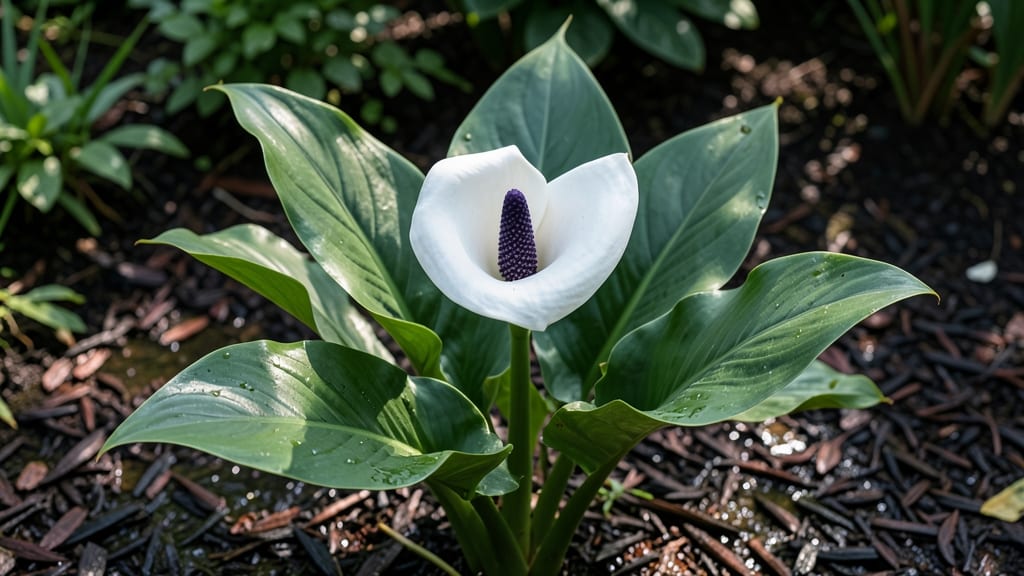
Calla lilies are in bloom again, and this time, I'm not letting a single stalk go to waste. 🌿 Their elegant, waxy blooms transform any garden corner into a lush, velvety retreat—whether you're growing them in containers or tucked into garden beds.
The secret to extending their beauty isn't complicated: it's all about timing, pruning, and a little seasonal TLC.
When those first buds appear in spring, I snip spent blooms right at the base to encourage new growth. By mid-summer, my callas are thriving, producing fresh stalks every 2-3 weeks with the right care.
The key is to avoid over-pruning—just remove what's finished while leaving the foliage to feed the plant. This keeps them blooming throughout the season, even into fall.
Pair them with low-growing companions like ferns or hostas to highlight their striking height, or let them shine solo in a dark corner where their deep green leaves and dramatic blooms create a striking contrast.
The fragrance? Subtle but intoxicating—like a whisper of vanilla and spice that lingers in the air on warm evenings.
For winter, I bring my container callas indoors to a bright, cool spot, where they rest but stay ready for next spring's show.
The same plants that wowed me this summer will be the first to bloom again—proof that a little precision pruning goes a long way toward year-round garden magic.
📚 In This Guide
- What you need
- Instructions
- Tips and common mistakes
- Wrapping up and next steps
What you need
- ● Pruning shears (bypass or anvil type) – Sharp, clean, and sanitized to avoid disease (1 pair).
- ● Disinfectant (70% isopropyl alcohol or bleach solution) – For sterilizing tools (small bottle or spray).
- ● Gloves (gardening or nitrile) – Protects hands from sap and sharp edges (1 pair).
- ○ Pruning sealant (optional but recommended) – Helps prevent sap bleeding (small tube).
- ● Compost or mulch – For discarded plant matter (1-2 bags).
- ● Watering can or hose with nozzle – For post-pruning hydration (any size).
- ● Labeling tags (if repurposing cuttings) – To track varieties (small pack, 10+ tags).
- ● Hand lens or magnifying glass – For spotting pests or diseases up close.
- ● Plant-based fertilizer (balanced or bloom-specific) – To revive lilies post-pruning (1 bag).
- ● Rubbing alcohol wipes – Quick tool sanitization between cuts.
- ● Camera or phone – To document progress (because before/after is satisfying!).
How to extend calla lily blooms through the seasons
Here’s how I keep my calla lilies flowering reliably—no guesswork, just precision pruning and care.
🌱 Step 1: Identify and Prune Spent Blooms Immediately
As soon as a calla lily flower wilts or droops noticeably, snip the entire bloom stem at its base with clean, sharp pruners. I avoid leaving stubs—those can rot and attract pests. Focus on the central spadix (the finger-like structure) and the surrounding modified leaf. This redirects the plant’s energy toward new growth instead of seed production.
Watch for the first signs of browning on the petal-like spathe—this is your cue. If you wait until the flower is completely blackened, you’ve missed the prime window for stimulating rebloom. I prune in the morning when stems are firm and dry, which reduces the risk of disease entering through cuts.
☀️ Step 2: Adjust Light and Fertilizer for Continuous Blooming
Calla lilies need bright, indirect light for at least 6-8 hours daily. If your plants are in a low-light spot, you’ll see fewer blooms and leggy growth. Move them near a window with sheer curtains or supplement with a grow light 10-12 inches away for 12 hours daily. Too much direct sun scorches the leaves, while too little stunts flowering.
Feed every 4-6 weeks during active growth with a balanced liquid fertilizer (10-10-10 or similar) diluted to half-strength. I skip fertilizer in winter when growth slows. Always water thoroughly before applying fertilizer to prevent root burn. You’ll know you’re on track when new leaves emerge within 2-3 weeks of feeding.
✂️ Step 3: Thin Foliage to Improve Airflow and Flower Production
Overcrowded foliage competes with blooms for energy. Once your calla lilies have 5-6 mature leaves, trim back any yellowed or damaged leaves with sharp scissors. Cut 1/3 off the leaf length at a 45-degree angle to reduce water pooling. This encourages bushier growth and more flower stalks.
I also remove any offsets (baby plants) that form at the base unless I’m intentionally propagating. These little rhizomes sap energy from the mother plant. If you do want to divide, wait until after flowering when the plant is dormant—this gives you the best chance of saving both the parent and the offsets.
💧 Step 4: Water Strategically for Year-Round Health
Calla lilies hate soggy roots but also can’t tolerate drought. Water when the top 1-2 inches of soil feel dry to the touch. I use the finger test—stick my index finger into the soil; if it comes out clean, it’s time to water. During bloom season, I water deeply 2-3 times weekly, while in winter, I reduce to once weekly or when the soil dries completely.
Always water at the base to avoid wetting the leaves, which can cause fungal issues. I use room-temperature water to prevent shocking the roots. If you notice the leaves wilting or turning yellow, you’re either overwatering or underwatering—check the soil moisture first before adjusting your routine.
🪴 Step 5: Overwinter Care for Next Season’s Blooms
When temperatures drop below 50°F or growth slows dramatically, reduce watering and stop fertilizing. Move potted calla lilies to a cooler spot (60-65°F) with low light for 8-10 weeks to simulate dormancy. This rest period ensures robust reblooming in spring. I place mine in a bright basement or garage with a grow light on a timer for minimal maintenance.
If your calla lilies are planted outdoors in a frost-free zone, mulch heavily with 2-3 inches of organic mulch (like shredded leaves or straw) to insulate the rhizomes. In spring, remove old leaves and any dead foliage before new growth appears. You’ll see fresh shoots within 4-6 weeks of breaking dormancy—this is your signal to resume regular care.
Tips & tricks for perfect year-round calla lily blooms
These precision strategies will help you keep your calla lilies flowering reliably all year long.
Pruning Precision: Use sterilized pruners to avoid introducing bacteria when removing spent blooms in Step 1. I dip my pruners in rubbing alcohol between cuts to prevent cross-contamination. Also, make your cuts at a 45-degree angle just above a leaf node—this encourages faster regrowth and reduces the risk of disease entering the plant. The key is to prune at the first sign of browning, not when the flower is completely dead.
Lighting Strategy: For the 6-8 hours of bright, indirect light in Step 2, position your calla lilies near an east-facing window where they’ll get gentle morning sun. If you’re supplementing with a grow light, use a full-spectrum LED bulb on a timer for those 12 hours—this mimics natural daylight cycles and prevents leggy growth. I’ve found that rotating my plants quarter-turns weekly ensures even light exposure all around.
Fertilizer Timing: When feeding every 4-6 weeks in Step 2, I always water thoroughly first to prevent root burn. The 2-3 weeks you should see new leaves emerging is your confirmation that the fertilizer is working—if you don’t see this response, your plant might need more light or better drainage. In winter, I completely skip fertilizer since growth naturally slows during dormancy.
Watering Wisdom: The finger test in Step 4 is foolproof—stick your finger about 1-2 inches into the soil. If it comes out clean, water deeply until it runs out the drainage holes. I’ve learned the hard way that soggy soil leads to root rot, while letting the soil dry completely between waterings prevents stress. Always water at the base to keep those beautiful leaves dry and fungus-free.
Pro Tips for The Calla Lilies Are In Bloom Again
- These precision strategies will help you keep your calla lilies flowering reliably all year long.
- Pruning Precision: Use sterilized pruners to avoid introducing bacteria when removing spent blooms in Step 1.
- Lighting Strategy: For the 6-8 hours of bright, indirect light in Step 2, position your calla lilies near an east-facing window where they’ll get gentle morning sun.
Frequently asked questions
about calla lilies in bloom—your go-to guide for care, timing, and troubleshooting!When do calla lilies typically bloom again after pruning?
Calla lilies usually rebloom 6–12 weeks after pruning, depending on light, temperature, and care. With consistent warmth (65–80°F) and bright, indirect light, you’ll see fresh blooms in 8–10 weeks. Patience pays off—think of it as their "second act"!
Why aren’t my calla lilies blooming this year?
Blooms may skip a cycle due to low light, overwatering, or nutrient deficiency. Check for yellow leaves (overwatering) or leggy stems (light hunger). Boost blooms by fertilizing with low-nitrogen, high-phosphorus food (like 5-10-5) every 4 weeks.
Can I keep calla lilies blooming year-round indoors?
Yes! Mimic their tropical roots with consistent warmth, bright, indirect light (or grow lights), and high humidity (pebble trays or a humidifier help). Rotate plants weekly for even growth. In winter, reduce watering slightly—dormancy isn’t needed indoors! →
What’s the best alternative if my calla lilies refuse to rebloom?
Try these low-maintenance bloomers:
- Anthuriums: Glossy leaves + long-lasting flowers (thrive in low light).
- Peace Lilies: Hardy, fragrant, and bloom year-round with minimal fuss.
- Spider Plants: Easy-care, air-purifying, and produce cute "pups."
My calla lily leaves are turning brown—what’s wrong?
Brown edges? Likely underwatering or fluoride/chlorine in tap water. Brown patches? Overwatering or root rot. Fix it:
- Water only when top 1–2 inches of soil are dry.
- Use filtered or distilled water (or let tap water sit 24 hours).
- Trim dead leaves with sterilized scissors to prevent spread.
Wrapping up and next steps
As the calla lilies bloom again, you now have the tools to keep their beauty—and fragrance—thriving year-round. Pruning with precision isn’t just about aesthetics; it’s about revitalizing your garden and ensuring these elegant blooms return stronger each season.
Whether you’re a seasoned gardener or just starting, every snip is a step toward a lush, fragrant oasis.
So, grab your shears, roll up your sleeves, and give those calla lilies the care they deserve! 🌿 Next, why not explore companion plants to enhance their fragrance or plan a cozy outdoor space to fully enjoy their intoxicating scent? The garden awaits—your turn to make it bloom!