
Light Requirements
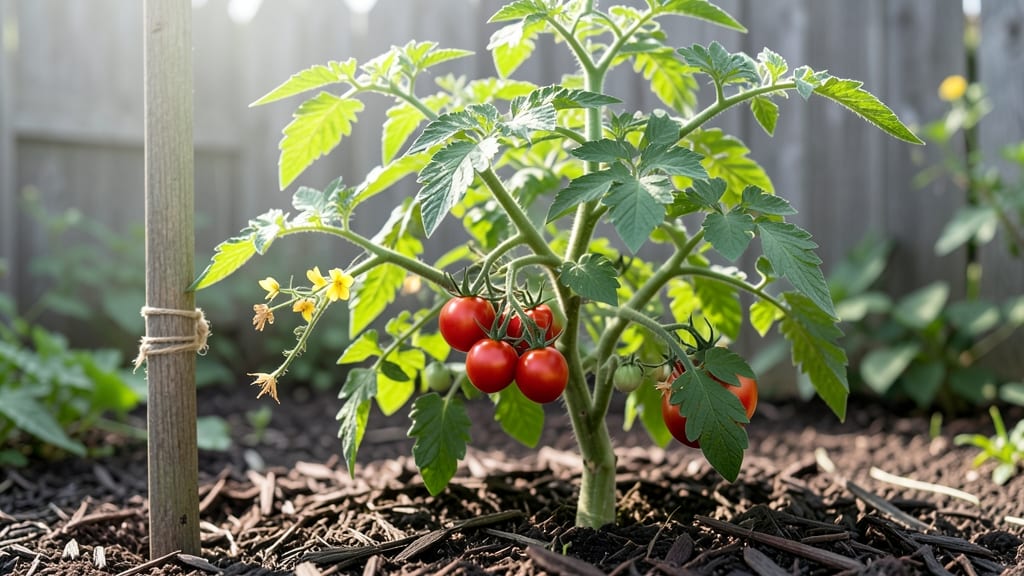
Tomato plants need full sun or shade carefully balanced to avoid stunted growth or scorched leaves 🍅 — and the wrong choice can mean the difference between a bountiful harvest and a sad, shriveled vine.
Picture this: your tomatoes are struggling, leaves curling in on themselves, or worse, turning crispy under the midday glare. You might assume they need more shade, but the truth is more nuanced. Too little sun stalls fruit production, while too much can fry your plants before they even set fruit.
Most gardeners know tomatoes love sunlight, but how much is too much? The answer depends on your climate and variety. Indeterminate types, like the classic beefsteak, demand 6-8 hours of direct sun, while some heat-tolerant varieties can handle partial afternoon shade.
The key is understanding when to shield your plants—and when to let them soak up those rays.
In this guide, I’ll break down the science behind tomato light needs, show you how to spot the signs of too much or too little sun, and share my go-to tricks for maximizing sunlight in shady spots.
By the end, you’ll know exactly how to give your tomatoes the perfect light balance for a big, healthy harvest.

How much sun do tomato plants really need for maximum growth?
Tomatoes are sun-worshippers at heart, but not all varieties crave the same intensity. While most gardeners assume tomato plants need full sun, the truth is more nuanced—especially when comparing determinate vs indeterminate varieties.
Determinate tomatoes, like 'Roma' or 'Celebrity', top out at 3-4 feet and thrive with 6-8 hours of direct sunlight daily. Indeterminate varieties, such as 'Sungold' or 'Better Boy', keep growing until frost and demand 8-10+ hours to produce their legendary vines and fruit loads.
Think of sunlight like a recipe: too little, and your tomatoes will stretch leggy and produce sparse, bland fruit. Too much? In scorching climates, excessive sun can actually burn tomato leaves, causing white or brown patches that reduce photosynthesis.
The key is finding that goldilocks zone—enough light for energy but not so intense it stresses the plant. Even cherry tomatoes, often assumed to be low-maintenance, need at least 6 hours of sun to ripen properly.
To measure sunlight in your garden, use a sunlight tracker (or a simple app like Sun Surveyor). Place it where you plan to grow tomatoes and note the hours of direct light. Morning sun (6 AM–12 PM) is gentler, while afternoon sun (12 PM–6 PM) can be more intense.
If your spot gets less than 6 hours, consider reflective surfaces like white walls or mulch to bounce extra light onto your plants.
Here’s the science: tomatoes convert sunlight into energy via chlorophyll, but they also need carbon dioxide and water to produce fruit. Without enough light, plants prioritize leaf growth over fruit development, leading to small, underripe tomatoes or even blossom drop.
This is why indeterminate varieties—with their endless vines—require more light to keep producing fruit all season.
| Tomato Type | Sunlight Needs | Mature Height | Signs of Too Little Sun |
|---|---|---|---|
| Determinate (e.g., 'Roma', 'Celebrity') | 6–8 hours | 3–4 feet | Leggy stems, small fruit, yellowing leaves |
| Indeterminate (e.g., 'Sungold', 'Better Boy') | 8–10+ hours | 6–10+ feet (trellised) | Slow growth, few flowers, poor fruiting |
| Cherry Tomatoes (e.g., 'Sweet 100') | 6–8 hours | 4–5 feet | Green, unripe fruit, weak vines |
| Heirloom (e.g., 'Brandywine') | 8–10 hours | 5–8 feet | Slow ripening, cracked fruit |
If your garden only offers partial shade, don’t despair—you can still grow tomatoes with adjustments. For 4–6 hours of sun, choose determinate varieties and supplement with a grow light (like a LED clip lamp) for 2–3 hours daily.
For less than 4 hours, consider container growing near a sunny window or balcony. Even shade-tolerant varieties like 'Stupice' (a Czech heirloom) can handle 4–6 hours of light, but expect smaller yields.
Watch for these red flags of insufficient light: leaves turning yellow or purple, stems growing weak and elongated, or flowers dropping before fruiting. These signs mean your plant is stretching for light, a survival tactic that drains energy from fruit production.
To fix it, move your plant to a sunnier spot immediately or prune lower leaves to encourage upward growth toward light sources.
Pro tip: Rotate your tomato plants every few weeks to ensure even sun exposure. If one side of the plant is always in shade, it’ll grow lopsided, with more leaves on the sunny side.
This imbalance weakens the plant and reduces yields. A quick 180-degree turn every 2 weeks keeps growth balanced and maximizes sunlight absorption.
For gardeners in hot climates, afternoon shade (especially from 12–4 PM) can prevent sunburn while still providing enough light. Use 30–50% shade cloth or a lightweight row cover to filter harsh rays without cutting off all sunlight.
Even a white umbrella placed strategically can make a difference during peak heat.
Remember, tomatoes are opportunistic—they’ll grow almost anywhere, but they won’t thrive without enough light. If you’re willing to experiment with varieties, containers, and shade solutions, you can coax great harvests even in less-than-ideal conditions.
Start with 6 hours of sun as your baseline, and adjust based on your plant’s response. Your goal? Juicy, flavorful tomatoes that make every bite worth the effort.
Shade solutions for tomato plants in hot climates: when and how to use it
Hot climates can turn your tomato plants into heat-stressed shadows of their full potential. While tomatoes love full sun, too much scorching heat—especially during peak summer months—can cause sunburn, blossom drop, and stunted growth.
The key is strategic partial shade that protects without sacrificing photosynthesis. Think of it as giving your plants a cooling hat on the hottest days.
Not all shade is created equal. Full shade (like under a dense tree canopy) will stunt growth and reduce fruiting, while 30-50% shade cloth can be a lifesaver during heatwaves.
The goal is to block intense midday sun (11 AM–3 PM) when temperatures soar above 90°F (32°C). This mimics natural dappled shade found in their native habitats.
Tomato Shade Solutions: Pros & Cons
Partial Shade (30-50%)
- ✅ Protects from heat stress and sunburn
- ✅ Maintains fruit production in extreme heat
- ✅ Easy to adjust with shade cloth or trellises
Best for: Afternoon shade in hot climates (11 AM–3 PM)
Full Shade (60%+)
- ❌ Stunts growth and reduces fruiting
- ❌ Increases risk of fungal diseases (poor airflow)
- ❌ Only for temporary relief (e.g., extreme heatwaves)
Use only if temps exceed 100°F (38°C)
DIY Shade Solutions
- 🌿 Shade cloth (30-50% block)
- 🪴 Trellises with row covers (lifts plants above heat)
- 🌳 Mulching with straw (cools soil and retains moisture)
Best for: Container gardens or small plots
For indeterminate varieties (like 'Sungold' or 'Cherry Tomatoes'), partial shade during fruiting can actually improve flavor by slowing sugar conversion. Start with 30% shade cloth and monitor your plants.
If leaves yellow or fruit turns pale, reduce shade slightly. Remember, tomatoes are sun-worshippers—they’ll stretch toward light if deprived, leading to weak stems and poor yields.
Timing matters too. Install shade solutions before extreme heat arrives (usually late spring/early summer). If you’re retrofitting, do it gradually over 3-5 days to avoid shocking the plant.
Pair shade with deep watering in the morning to compensate for reduced evaporation. A 5-gallon bucket of water per plant can make a world of difference during heatwaves.
Don’t overlook mulching—a 3-inch layer of straw or wood chips keeps roots 10°F cooler than bare soil. For container growers, use light-colored pots (they reflect heat) and place them in shaded areas during peak sun.
Even a simple white umbrella draped over plants can drop temperatures by 15°F (8°C) on scorching days.
Pro tip: Prune lower leaves to improve airflow under shade cloth. This reduces humidity buildup, cutting down on blight risks. And if your tomatoes start dropping blossoms, they’re likely overheating—adjust shade immediately.
With the right balance, your tomato plants can thrive even in the hottest climates, delivering juicy, flavorful fruit all season long. 🌱