
Shrubs
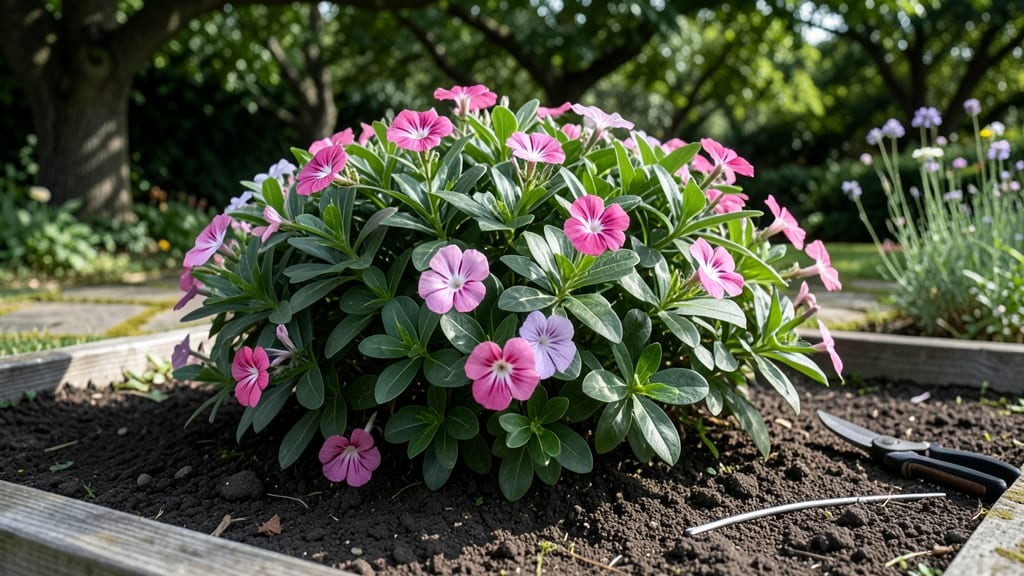
Growing vinca in shade is easier than you think, and these 4 evergreen varieties prove it with their vibrant foliage that stays lush even in dim corners.
Picture this: a shady spot in your garden that other plants avoid, yet vinca 🌸 thrives there, spreading its glossy leaves like a living carpet. What makes it so special?
Unlike many shade plants that fade or struggle, vinca not only survives but flourishes in low-light conditions, making it the ultimate low-maintenance ground cover.
Whether you're dealing with a north-facing yard or a dense tree canopy, the right vinca variety can transform your shady areas into a year-round green oasis.
Below, I’ll walk you through the best types for shade, how to plant them for maximum impact, and the simple care routine that keeps them looking their best.
From Vinca minor’s classic trailing habit to ‘Illumination’’s striking variegation, you’ll discover which varieties suit your space—and how to avoid common pitfalls like leggy growth or sparse blooms. Let’s get started!
 Best Window Placement
How to identify the best shade-tolerant vinca varieties for your garden
If you're searching for evergreen ground covers that stay lush in shady spots, vinca (or periwinkle) is a top contender. Unlike sun-loving plants, these shade-tolerant varieties thrive with minimal light while offering striking foliage and delicate flowers.
The key to success lies in selecting the right vinca cultivar for your garden’s specific conditions—whether it’s partial shade under trees or full shade in a north-facing yard.
Not all vinca varieties perform equally in low light. Some, like Vinca minor, handle deep shade beautifully, while others, such as Vinca ‘Illumination’, need at least dappled sunlight to showcase their variegated foliage.
Below, I’ll break down four standout vinca varieties that excel in shade, highlighting their foliage colors, growth habits, and hardiness zones to help you make the perfect choice for your garden.
🌿 Why choose vinca for shade? These plants are low-maintenance, drought-resistant, and deer-resistant, making them ideal for problem areas. Their evergreen leaves provide year-round interest, while their spring blooms add a touch of color without demanding full sun. Let’s dive into the specifics of each variety to find your ideal match.
The first variety to consider is Vinca minor, often called common periwinkle. This hardy ground cover thrives in full shade and is perfect for woodland gardens or areas under tall trees.
Its dark green leaves stay vibrant year-round, and it spreads aggressively (up to 18 inches wide), making it ideal for suppressing weeds. If you’re dealing with a deep, dark corner of your garden, Vinca minor is a reliable, low-maintenance choice.
For a more upright option, Vinca major (greater periwinkle) stands 12-18 inches tall and produces larger flowers than its trailing cousin. While it still tolerates partial shade, it performs best with some filtered sunlight to prevent leggy growth.
This variety is excellent for foundation plantings or as a border accent, especially in USDA zones 6-9. Its dark green foliage provides a classic look, but it lacks the dramatic color of newer cultivars.
If you’re craving eye-catching foliage, Vinca ‘Illumination’ is a showstopper. This variety features creamy-white variegation that brightens shady spots, though it needs at least partial shade to maintain its striking contrast.
The trailing habit makes it perfect for hanging baskets or spilling over container edges. Just be prepared for its slower growth in deep shade—it may need a sunnier spot to truly shine.
Lastly, Vinca ‘Lipstick’ offers a bold, dramatic look with its deep purple-black leaves. This compact variety stays 6-12 inches tall, making it ideal for rock gardens or shade borders. Unlike other vincas, it thrives in full shade and adds a moody, sophisticated touch to any garden.
Its dark foliage also makes it a great contrast plant when paired with lighter-colored shade lovers like hostas or heucheras.
When selecting vinca for your shade garden, consider your specific light conditions and desired foliage color. For deep shade, Vinca minor or Vinca ‘Lipstick’ are your best bets, while Vinca ‘Illumination’ adds visual interest in partial shade.
Always check your USDA hardiness zone to ensure the variety will survive your winter—most vincas handle zones 4-9, but Vinca major is less cold-tolerant.
Pro tip: Mulch heavily in the first year to help vinca establish roots in shady soil. These plants are drought-tolerant once established, but consistent moisture in their first growing season ensures
Planting and care tips for vinca in low-light gardens
Vinca thrives in low-light gardens where many plants struggle, offering year-round greenery with minimal effort. To get started, focus on well-draining soil and proper spacing—these two factors make all the difference in shade.
I’ve found that amending clay soil with compost or peat moss helps vinca establish strong roots quickly, even in dimly lit areas.
When selecting a spot, prioritize areas with dappled sunlight or full shade (like under trees). Vinca tolerates 2-4 hours of morning sun, but too much direct light can scorch its delicate foliage.
For best results, plant in spring or early fall when temperatures are mild and roots can settle in without stress.
Vinca in shady conditions is prone to root rot if soil stays soggy. Unlike sun-loving plants, shade-dwelling vinca needs less frequent watering—about every 7-10 days—unless your soil drains poorly. Always check the top 1-2 inches of soil before watering; if it’s dry, your plant is thirsty.
For soil preparation, mix in organic matter like compost or aged manure to improve drainage and nutrient retention. Vinca prefers soil with a slightly acidic to neutral pH (6.0-7.0).
If your soil is heavy clay, consider planting in raised beds or containers with a well-draining potting mix to prevent waterlogging.
Spacing is key for healthy growth. Plant vinca 12-18 inches apart in rows or clusters, depending on your variety. Vinca minor spreads aggressively and can fill gaps quickly, while Vinca major grows more upright and needs slightly more space.
Mulch around plants with 2-3 inches of shredded bark to retain moisture and suppress weeds.
Watering vinca in shade requires a gentler approach. Deep water once a week during dry spells, but reduce frequency in humid summers or winter dormancy. Always water at the base of the plant to avoid wetting foliage, which can lead to fungal issues.
A drip irrigation system works wonders for consistent moisture without overwatering.
Pruning keeps vinca compact and bushy. Trim back leggy stems in early spring to encourage new growth. If leaves turn yellow or brown, it’s often a sign of overwatering or poor drainage.
Deadhead spent flowers regularly to redirect energy into foliage production. For variegated varieties like ‘Illumination’, avoid heavy pruning, as it can reduce their striking color contrast.
Seasonal care ensures vinca stays vibrant. In spring, apply a balanced fertilizer (5-10-10) lightly to promote growth. Skip fertilizing in summer unless leaves look pale, and resume in early fall to strengthen roots before winter.
In winter, reduce watering but keep soil slightly moist unless temperatures drop below 20°F.