
Light Requirements
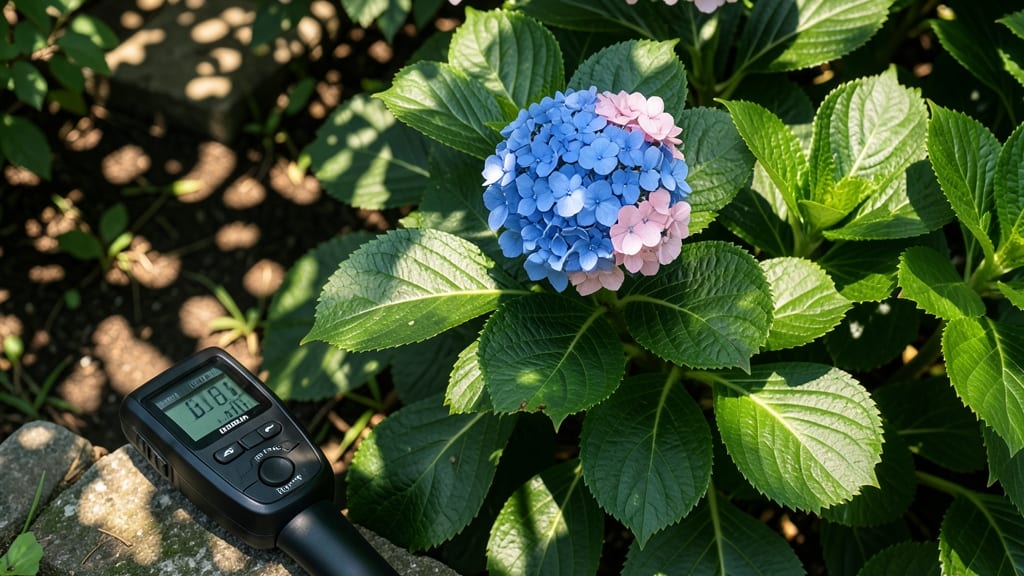
Full sun to part shade means a plant thrives in 6+ hours of direct sunlight daily, but can tolerate 3–6 hours of sun with afternoon shade to prevent stress or scorching, especially in hot climates.
This lighting range is all about balance—giving plants enough light for photosynthesis while protecting them from the harshest afternoon rays. 🌿 Many gardeners struggle with this because "part shade" can vary wildly: some plants handle just 3 hours of morning sun, while others thrive with 6 hours of filtered light.
The key is observing your plants' leaves—if they're yellowing or crispy at the edges, they're likely getting too much sun. I always recommend testing locations for a few weeks before planting, especially in climates with intense summer heat.
For example, hostas and impatiens often do best in part shade, while tomatoes and peppers need full sun but can benefit from afternoon shade in scorching zones. Understanding your microclimate—like how nearby trees or buildings cast moving shadows—can make all the difference in plant survival and blooming success.
💡 In This Article
- How Sunlight Hours Affect Plant Growth and Health
- Choosing the Right Location for Sun-to-Shade Plants
How sunlight hours affect plant growth and health
Sunlight drives photosynthesis, where plants convert light energy into sugars using chlorophyll in their leaves. Most plants need at least 4-6 hours of direct sun daily to produce enough energy for growth, but the quality of light matters just as much as quantity.
For example, blue light (morning sun) boosts chlorophyll production, while red light (afternoon sun) triggers flowering. When plants receive more than 6 hours of intense afternoon sunlight, especially in hot climates, their leaves can overheat and develop brown, crispy edges—a condition called sun scorch.
This happens because the plant’s stomata (pores) close to conserve water, but the trapped heat damages cells.
The leaf structure itself adapts to light intensity. Plants in full sun often develop thicker, waxier leaves to reduce water loss, while shade-loving plants have thinner, lighter leaves that maximize light absorption in low-light conditions.
Take ferns as an example: their delicate fronds burn in direct sun but thrive in 3-4 hours of dappled light, where they receive bright but indirect rays. Conversely, sun-loving succulents like agave store water in thick leaves to survive prolonged exposure, even in 8+ hours of direct sunlight.
The key is matching the plant’s native growing conditions—many garden plants originate from understory environments where light is filtered through tree canopies.
Heat stress isn’t the only risk—too little light causes etiolation, where plants stretch unnaturally toward light sources, becoming weak and leggy. This happens because the plant prioritizes reaching for light over thickening its stems.
For instance, basil grown in less than 4 hours of sun will bolt (flower prematurely) and develop bitter leaves, while the same plant in 6 hours of morning sun stays bushy and flavorful.
The sweet spot for most "full sun to part shade" plants is 4-6 hours of morning or filtered sunlight, combined with afternoon shade to prevent overheating.
Color changes in leaves often signal light imbalances. Yellowing between veins (chlorosis) typically means too much shade, as the plant can’t produce enough chlorophyll. Meanwhile, white or bleached patches indicate sunburn, where UV rays damage pigments.
Even well-adapted plants like hostas can develop these spots if moved from partial shade to full sun suddenly. The solution? Gradually acclimate plants to new light conditions over 1-2 weeks, giving them time to adjust their leaf structure and pigment production.
Soil temperature also plays a hidden role in light tolerance. Darker soils absorb more heat, raising root zone temperatures and increasing water stress. Mulching with 2-3 inches of organic matter (like wood chips) helps regulate soil temperature and retain moisture, which is especially critical for part-shade plants in hot afternoons.
This is why the same plant might thrive in full sun in cooler climates but need afternoon shade in the desert—it’s not just about light, but the combined stress of heat and light intensity.
For gardeners, this means paying attention to microclimates—small areas with unique light and temperature conditions. A north-facing wall might cast shade for only 2 hours in the afternoon, while a south-facing patio could receive 8 hours of direct sun.
Tools like sun calculators (available online) or simple observations with a sunlight tracker (a white sheet of paper taped to a stake) can help map these zones accurately. Understanding these nuances is the difference between a struggling plant and one that blooms abundantly.