
Light Requirements
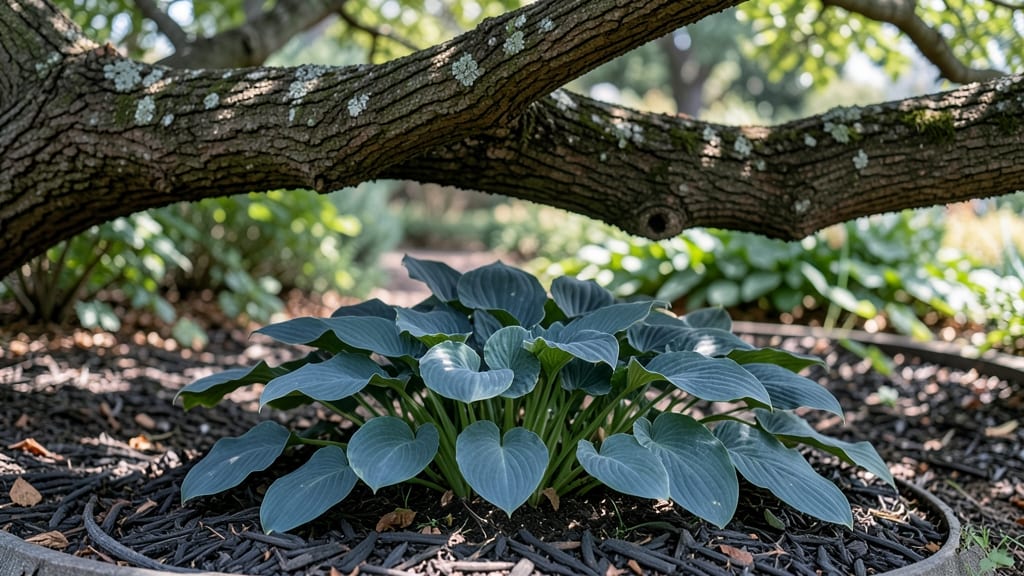
Partial shade describes garden spots that get 3 to 6 hours of direct sunlight each day, usually broken up by tree branches or nearby structures. This filtered light creates a cooler, more humid environment perfect for plants like hostas and ferns that thrive without harsh midday sun.
This lighting scenario creates what gardeners call a microclimate—a small area with unique conditions that differ from the surrounding space. 🌿 Unlike full sun (6+ hours of direct light) or deep shade (<3 hours), partial shade offers a middle ground where plants receive enough light for photosynthesis but avoid the stress of intense heat.
The dappled pattern also reduces water loss from foliage, making it ideal for moisture-loving plants that would scorch in full sun.
Understanding partial shade helps you choose the right plants for your garden's specific conditions. For example, northern exposures often get gentle morning sun but harsh afternoon rays, while southern exposures may receive more consistent light throughout the day.
This is why many shade-loving perennials thrive in these conditions—they get just enough energy without the risk of leaf burn.
💡 In This Article
- How Partial Shade Differs From Full Sun and Deep Shade
- Best Plants for Partial Shade Gardens
How partial shade differs from full sun and deep shade
Partial shade creates a unique balance by delivering 3 to 6 hours of direct sunlight daily, often in broken patches created by tree branches or nearby structures. This differs dramatically from full sun (6+ hours of unfiltered light) and deep shade (<3 hours).
The key difference lies in light intensity and duration: full sun delivers high-energy photons that can stress plants, while deep shade may limit photosynthesis. Partial shade provides a moderate dose, allowing plants to thrive without overheating.
The science behind this involves photosynthesis efficiency. Plants in partial shade adapt by developing larger leaves to capture more diffuse light, while those in full sun often have thicker cuticles to reduce water loss.
Temperature also varies significantly: full sun areas can reach 10-15°F warmer than shaded spots, creating microclimates where humidity remains higher. This cooler, moister environment is ideal for moisture-loving plants like hostas or astilbe that would wilt in harsh afternoon rays.
What most gardeners overlook is how light quality changes in partial shade. The dappled pattern filters out harmful UV rays while preserving beneficial wavelengths, reducing leaf burn risk.
For example, a northern exposure might get gentle morning light but harsh afternoon sun, while a southern exposure could receive more consistent light. This variation explains why some shade plants thrive in one spot but struggle in another—it's not just about hours, but the light's intensity and timing.
Consider the humidity effect: partial shade retains 10-20% more moisture in the soil compared to full sun, thanks to reduced evaporation. This is why ferns and impatiens flourish here—their roots stay consistently hydrated. In contrast, full sun areas dry out faster, requiring more frequent watering.
The trade-off is that partial shade may limit the growth of sun-loving plants like lavender or sunflowers, which need intense light to photosynthesize efficiently.
Here's how to visualize the differences:
- Full Sun: 6+ hours of direct light, soil temps 20-30°F warmer, low humidity, ideal for succulents and sunflowers
- Partial Shade: 3-6 hours of broken light, moderate temps, higher humidity, perfect for hostas and hydrangeas
- Deep Shade: <3 hours of light, cooler temps, very high humidity, suited for ferns and mosses
The best way to identify your garden's shade type is to observe light patterns throughout the day.
Use a light meter or even a simple white sheet to track sunlight duration—you'll often find that what looks like full shade in winter becomes partial shade in summer due to seasonal sun angles. This adaptability is why partial shade gardens are so versatile!