Blooming
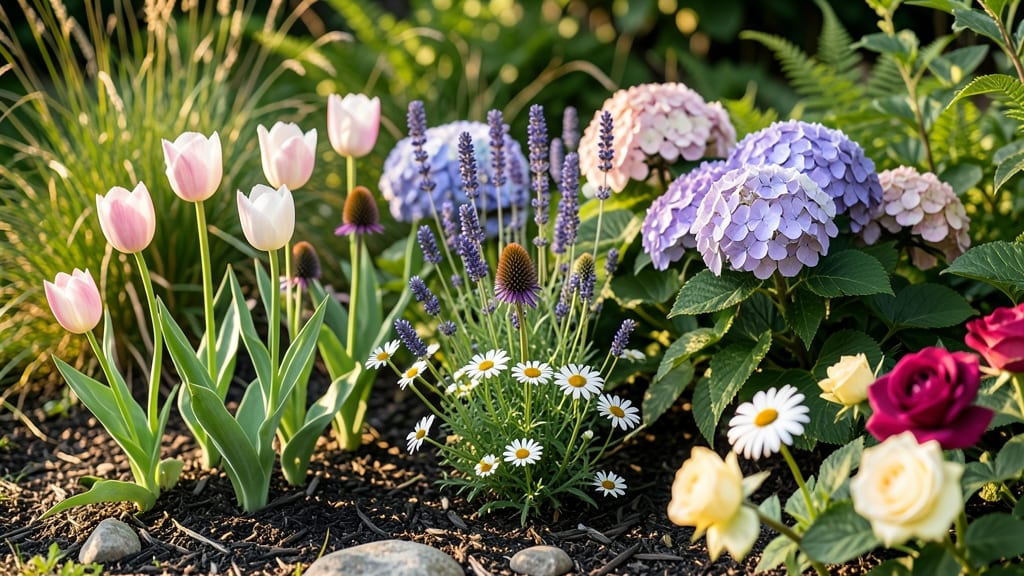
What's in bloom now varies by U.S. region and season, with spring featuring tulips, daffodils, and azaleas across most areas, while summer highlights roses, sunflowers, and hydrangeas. Coastal gardens often burst into color earlier, while desert regions peak later in spring. Your local hardiness zone determines which flowers thrive best in your yard.
Your garden's floral calendar is shaped by both climate and elevation. 🌸 In Zone 5-7, spring's early bloomers like crocuses and hellebores give way to peonies and lavender by June, while Zone 8-10 enjoys year-round blooms with camellias and gardenias.
The Pacific Northwest's wetter climate extends bloom seasons, while Southwest gardens focus on drought-tolerant varieties like desert marigolds that shine in the heat. I always recommend checking your zone's last frost date—it's the real game-changer for planning annuals versus perennials.
For gardeners wanting continuous color, strategic planting matters more than any single season. 💛 Plant spring bulbs like hyacinths in fall for early shows, then follow with heat-loving salvias that take over as temperatures rise.
Native plants are your secret weapon—they've already adapted to your local conditions, meaning less watering and more blooms. I've found that even in challenging climates, a mix of shade-loving impatiens and sun-happy zinnias can create a nonstop floral display when timed right.
💡 In This Article
- Seasonal Flower Blooms by U.S. Plant Hardiness Zones
- Best Flowers to Plant for Year-Round Color by Region
Seasonal flower blooms by u.s. plant hardiness Zones
Your local hardiness zone—ranging from Zone 3 (Alaska, northern Canada) to Zone 11 (Hawaii, Florida Keys)—dictates when flowers bloom and which varieties thrive. 🌸 The USDA divides these zones by average annual minimum temperatures, creating predictable bloom windows.
For example, Zone 5 gardens (Midwest, Northeast) see crocuses and hellebores in early spring, while Zone 9 (California, Arizona) enjoys camellias blooming year-round.
The key difference lies in chilling requirements: spring bulbs like tulips need 6-12 weeks below 40°F to trigger blooming, while desert marigolds in Zone 10 thrive with minimal cold exposure.
Spring's progression varies dramatically by zone. In Zone 7 (Mid-Atlantic, Tennessee), azaleas peak in April, followed by peonies in June, while Zone 3 gardens might not see tulips until May. Coastal regions (Zones 8-10) often bloom 2-4 weeks earlier than inland areas due to milder winters and ocean currents.
The Pacific Northwest's wet climate extends bloom seasons—rhododendrons can flower from March to June—while Southwest gardens focus on heat-tolerant varieties like desert willows that bloom in late spring when temperatures stabilize above 75°F.
Regional exceptions create stunning local specialties. Texas bluebonnets (Zone 6-9) carpet highways in March-April, while Pacific Northwest rhododendrons (Zone 6-8) dominate spring gardens with their vibrant clusters. In Zone 4 (Upper Midwest), early bloomers like bleeding hearts appear in May, while Zone 11 gardens enjoy hibiscus blooms year-round.
These variations occur because native plants have adapted to local microclimates—something non-native species often struggle with. 🌿 For instance, California poppies thrive in Zone 7-10's dry summers but would fail in humid Zone 8 Florida gardens.
Understanding these patterns helps gardeners plan strategically. If you're in Zone 5 and want continuous color, plant early spring bulbs like daffodils in fall, then follow with summer-blooming coneflowers. In Zone 9, focus on heat-loving bougainvillea that blooms from spring through fall.
The last frost date is your best planning tool—it determines when to plant frost-sensitive annuals like impatiens. For example, Zone 3's last frost might be May 15, while Zone 10's could be January 1.
Climate change is also shifting bloom times. Studies show spring blooms now occur 3-5 days earlier than recorded in the 1970s, with some species like lilacs blooming 2 weeks ahead in warmer zones. This affects pollinators—bees time their activity to flower availability, creating a delicate balance.
Gardeners in transitional zones (like Zone 7b) now face challenges as traditional spring flowers bloom earlier, sometimes before their pollinators emerge. 🐝
For precise timing, consult your zone's historical data. The USDA's interactive zone map shows 13 microclimates within some states—like the cooler Appalachian zones versus warmer Piedmont regions in Virginia. These microclimates can create 10-14 day differences in bloom schedules even within the same county.
The takeaway? Your neighbor's garden might look completely different from yours, even with the same plant varieties!