
Blooming
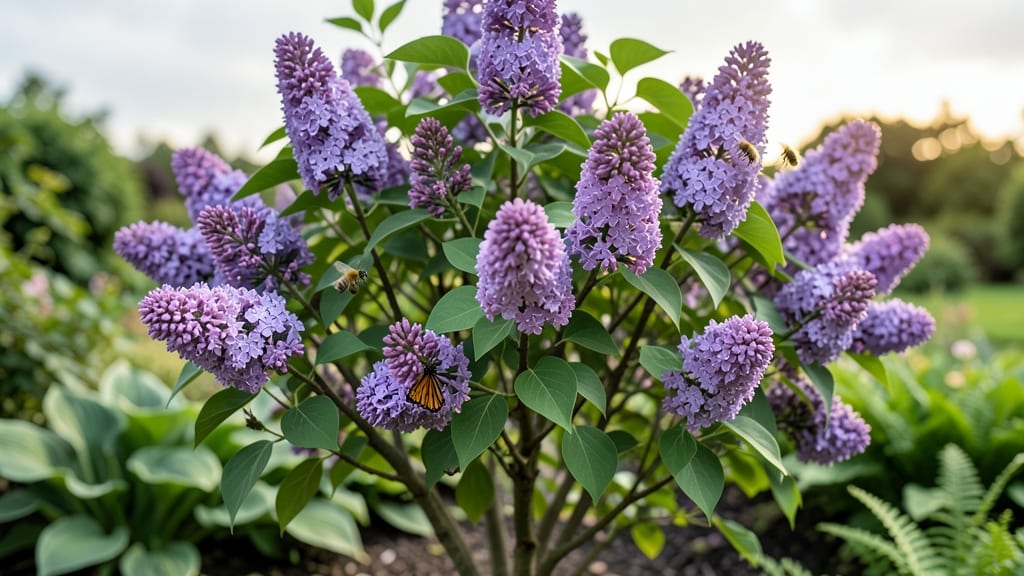
Lilacs bloom in Colorado between late April and early June, but the exact timing shifts dramatically with elevation—think of it as a high-altitude race where the winners change every 1,000 feet.
Colorado’s stunning 🌸 blooms paint spring landscapes in vibrant purple—but their timing varies wildly depending on elevation. If you’re planning a garden or simply admiring nature’s calendar, knowing these seasonal shifts is key.
Lowland valleys like Denver (Zone 5b) often see lilacs opening by mid-May, while mountain regions above 7,000 feet may wait until June. Microclimates—like urban heat islands or sheltered slopes—can push blooms even earlier or later.
Below, I break down the science behind these shifts, how to pick the right lilac variety for your altitude, and pro tips to coax the most dramatic spring displays from your shrubs.
Colorado lilac blooming seasons by elevation zone explained
Colorado’s lilac blooms arrive like clockwork—but their timing shifts dramatically with elevation. At 3,000 feet, lilacs burst into color by mid-April, while at 10,000 feet, they wait until late June.
This elevation-driven schedule isn’t just about aesthetics; it’s a survival strategy for these hardy shrubs adapting to cooler temperatures and shorter growing seasons at higher altitudes.
The key driver? Chilling hours—lilacs need 600–1,000 hours below 45°F to trigger blooms. Colorado’s mountain valleys hit this threshold by early March, while high-altitude gardens may not until May.
This delay also means longer bloom windows in cooler zones, where flowers unfurl more slowly over 3–4 weeks instead of the 1–2 weeks typical in warmer areas.
Here’s how to decode your local lilac calendar using elevation as your guide:
| Elevation Zone | Average Bloom Start | Peak Bloom Period | Bloom Duration | Key Climate Factor |
|---|---|---|---|---|
| Lowland Valleys (3,000–5,000 ft) | Mid-April | Late April–Early May | 10–14 days | Warmer nights (50°F+) |
| Foothills (5,000–7,000 ft) | Late April–Early May | Early–Mid May | 14–21 days | Moderate chilling (45–55°F) |
| Mountain Regions (7,000+ ft) | Late May–June | June–Early July | 21–28 days | Cooler nights (40–50°F) |
Why does this matter for gardeners? Pruning timing shifts with elevation. In Denver (5,280 ft), prune lilacs immediately after blooming (May–June) to encourage next year’s flowers. But in Aspen (7,800 ft), wait until July—late frosts can damage new growth if you prune too early.
This delay also means fall-planted lilacs in high elevations may bloom 2 years later than their lowland counterparts.
Another critical factor: soil warmth. Lilacs planted in sandy soils at 4,000 ft may bloom 2 weeks earlier than those in clay-heavy soils at the same elevation.
Test your soil’s drainage and pH—ideal ranges are 6.0–7.0 and well-draining. Amend heavy soils with compost or sand to speed up warming and trigger earlier blooms.
For extended bloom seasons, choose early- and late-blooming varieties. Plant 'Miss Kim' (early) alongside 'Katherine Havemeyer' (late) in your front yard.
In mountain gardens, 'Dwarf Korean' thrives at 8,000+ ft and blooms 3 weeks later than standard types, creating a staggered display from May to July.
Pro tip: Use local nurseries as your calendar. Staff at Denver Botanic Gardens or Colorado State University Extension track real-time bloom data for your specific elevation. Their 2023 records show Boulder lilacs bloomed 7 days earlier than Colorado Springs due to urban heat—proof that even 1,000-foot differences matter.
If you’re planting new lilacs, time it right: bare-root lilacs should go in October–November (before first frost), while potted lilacs thrive when planted March–April in lowland zones or May in mountain regions.
Mulch with 3–4 inches of wood chips to insulate roots—critical for high-elevation gardens where soil temps can drop below 32°F overnight.
Remember: Colorado’s lilacs are resilient survivors. By aligning your planting, pruning, and variety choices with your elevation zone, you’ll unlock longer bloom seasons and healthier shrubs—no matter where you garden in the Centennial State. 🌸
How elevation affects lilac varieties: early vs late bloomers
Colorado’s lilac varieties thrive across diverse elevations, but their bloom timing shifts dramatically. At lower elevations like Denver (5,280 ft), lilacs often burst into color by mid-April, while mountain gardens above 7,000 ft may see blooms delayed until late May.
This shift isn’t random—it’s tied to temperature cues and daylength changes that vary with altitude.
Choosing the right lilac cultivar for your elevation ensures stunning displays. Early bloomers like 'Dwarf Korean' (3–5 ft tall) often start flowering in late March at lower elevations, while late bloomers like 'Katherine Havemeyer' (8–12 ft tall) may wait until mid-May in mountainous regions.
Understanding these patterns helps you select varieties that align with your local bloom calendar.
For gardeners in Denver or Colorado Springs (4,000–6,000 ft), early bloomers like 'Dwarf Korean' shine brightest in late March to April, while 'Miss Elizabeth' follows suit in mid-April.
These varieties thrive in USDA Zones 5b–6a, making them ideal for front yards and small gardens. Their compact sizes also suit urban landscapes where space is limited.
In mountain towns like Breckenridge or Leadville (7,000–9,000 ft), lilacs like 'Katherine Havemeyer' often bloom 2–3 weeks later due to cooler temperatures. These late bloomers reward patient gardeners with longer-lasting flowers and a more extended display. Pair them with hardy perennials like columbines or penstemons to create layered spring interest.
If you’re planting lilacs in Colorado’s high desert regions (e.g., Grand Junction, 4,500 ft), expect blooms to arrive 1–2 weeks earlier than in Denver. The drier climate and warmer days accelerate growth, so choose drought-tolerant varieties like 'Common Purple' to ensure success.
Always mulch heavily to retain moisture in these arid conditions.
Pro tip: Prune lilacs immediately after blooming to encourage next year’s flowers. For early bloomers, this means pruning in late May or June, while late bloomers can wait until July. This timing ensures you don’t accidentally remove next season’s buds, which form after flowering.