
Blooming
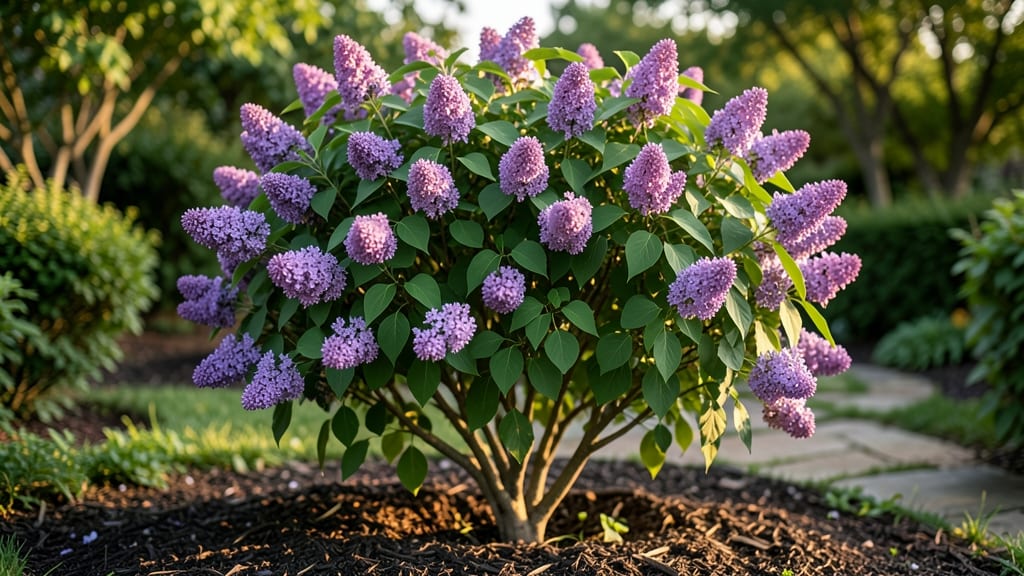
Lilacs in Indiana bloom between late April and mid-May, with timing shifting based on variety and hardiness zone—common cultivars like 'Katherine Havemeyer' reach peak bloom in early May, while southern Indiana's milder climate may trigger earlier flowering for hardy types.
Indiana's hardiness zones 5-6 create a natural bloom window that can stretch from late April in southern regions to early June in northern areas. 🌸 The state's varied climate means gardeners in Evansville might see 'Sybille' lilacs opening by mid-April, while those in Fort Wayne could wait until late May for the same variety.
Microclimates near lakes or urban heat islands often push blooming dates earlier by 1-2 weeks, creating noticeable regional differences even within the same county.
What truly sets Indiana apart is how cultivar selection determines bloom timing—fragrant varieties like 'Purple Plume' tend to bloom slightly later than their less aromatic counterparts, while early bloomers such as 'Dwarf Korean' may appear as soon as early April in sheltered microclimates.
The key is planting hardy varieties suited to your specific zone while monitoring local frost dates, as late-season freezes can damage buds before they open.
💡 In This Article
- Lilac Bloom Timing by Indiana Hardiness Zones
- Top Indiana Lilac Varieties and Their Bloom Schedules
Lilac bloom timing by Indiana hardiness zones
Indiana's hardiness zones (5-6) create distinct bloom windows because temperature fluctuations trigger lilacs' dormancy cycles. In Zone 5 (northern Indiana), lilacs typically wait until after the last frost—usually around mid-May—to bloom, while Zone 6 (southern Indiana) varieties may begin opening as early as late April.
The critical threshold is 40°F at night, which signals buds to swell. If temperatures dip below this after buds form, frost damage can delay blooming by 2-3 weeks, as seen in 2021 when late April freezes pushed back 'Mme. Lemoine' blooms in Fort Wayne by nearly a month.
Microclimates play a surprising role in bloom timing. Urban areas like Indianapolis often experience 2-3°F warmer nighttime temperatures than rural spots, accelerating bud development. Lakeside gardens in Zone 6 may see 'Sybille' lilacs bloom 10-14 days earlier than inland plantings due to moderated temperatures.
Conversely, northern Indiana's colder springs can delay blooming until early June for late varieties like 'Purple Plume'. This variability explains why two neighboring yards might have lilacs blooming 3 weeks apart despite planting the same cultivar.
The science behind this involves lilacs' vernalization process—a cold requirement that must be met before blooming. Most Indiana lilacs need 400-600 hours below 45°F during winter to break dormancy. If winters are unusually warm (like in 2015-16), lilacs may fail to bloom entirely or produce sparse flowers.
Gardeners in Zone 5 must choose hardy cultivars like 'Common Lilac' that tolerate colder winters, while Zone 6 gardeners can experiment with later-blooming varieties that thrive in milder conditions.
Frost sensitivity is another key factor. Lilacs are particularly vulnerable during bud swell stage (when buds are 1/4-inch long), which occurs 2-3 weeks before blooming. A late frost at this stage can destroy 90% of buds**, requiring gardeners to monitor forecasts and use frost cloths if needed.
The 10-year average for last spring frost in Indianapolis is April 15, but this can vary by ±10 days annually—explaining why some years see lilacs blooming in early April while others wait until May.
For gardeners planning their landscape, understanding these patterns means choosing varieties that align with their local climate. Early bloomers like 'Dwarf Korean' (early April) suit Zone 6 gardens, while late varieties like 'Katherine Havemeyer' (early May) work better in Zone 5.
The 30-day bloom window between earliest and latest varieties in Indiana creates a stunning progression of color from April through June, transforming gardens into fragrant, purple-hued landscapes.
What most gardeners don't realize is that pruning timing also affects bloom schedules. Cutting back lilacs immediately after blooming removes next year's flower buds, which form on old wood. This can delay blooming by 2-4 weeks in subsequent years, as the plant redirects energy to new growth.
Proper pruning—waiting until after June 1—helps maintain consistent bloom timing while keeping bushes healthy.