
Blooming
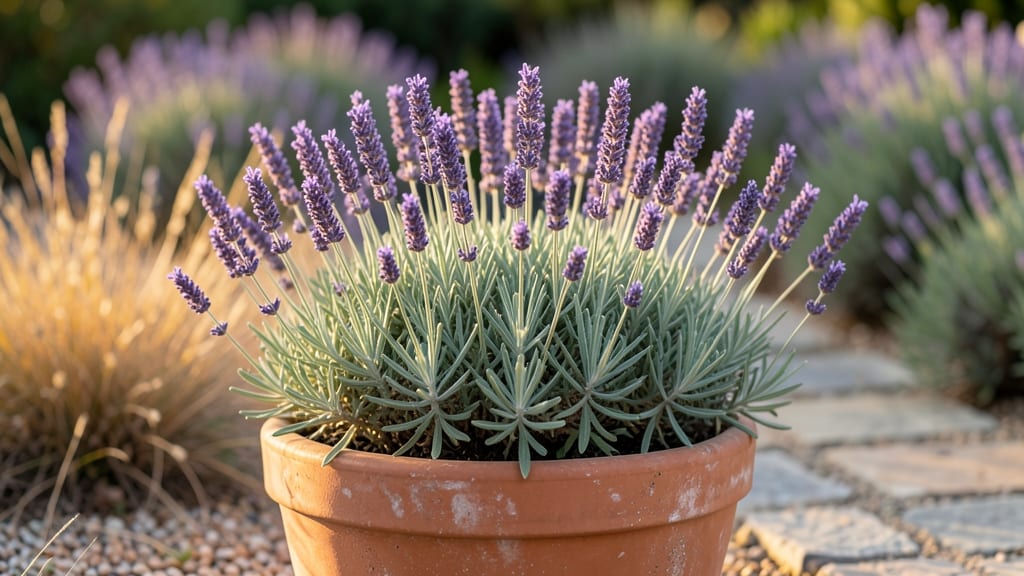
Michigan's lavender blooms later than most people expect—typically between late June and August, depending on your zone and variety. 🌿 I've watched my English lavender burst into purple just as the last frost warnings fade, while French lavender often waits until July.
The timing isn't just about the calendar; it's about sunlight, soil, and when you planted those little starters.
In Michigan's cooler northern zones (5-6), blooms arrive a bit later—sometimes not until mid-July—while southern areas (7-8) might see flowers as early as June. The key is planting in full sun and well-draining soil, which mimics lavender's Mediterranean roots.
Without these, your plants might struggle to bloom at all, let alone on schedule.
Once those buds appear, you'll get 4-6 weeks of fragrant blooms if you deadhead regularly. The scent alone makes it worth the wait—imagine walking past your garden in July and being hit with that signature lavender aroma. Proper watering (but not overwatering) keeps them thriving through the heat.
For longer blooming seasons, try planting both English and French varieties—they complement each other beautifully. Just remember: Michigan's unpredictable frosts mean you might need to protect late-season blooms if an early chill rolls in. That first whiff of lavender in summer is worth every bit of patience.
📚 In This Guide
- What you need
- Instructions
- Tips and common mistakes
- Wrapping up and next steps
What you need
- ● Lavender plants: Choose Michigan-friendly varieties like English Lavender (Lavandula angustifolia) or French Lavender (L. × intermedia). Buy 3–5 mature plants (1–2 feet tall) from local nurseries for best results.
- ● Well-draining soil: Mix 1 part native soil with 2 parts coarse sand or perlite (5–10 gallons total) to prevent root rot. Michigan’s clay-heavy soil? No problem—amend it!
- ● Full-sun location: Pick a spot with 6+ hours of direct sunlight daily. South- or west-facing spots are ideal.
- ○ Mulch (optional but recommended): Use 2–3 inches of gravel or pebbles (avoid organic mulch—it retains too much moisture).
- ● Watering can or hose with a gentle spray nozzle: Lavender hates soggy roots, so water deeply but infrequently (1–2 gallons per plant every 7–10 days once established).
- ● Garden gloves: Protect your hands from prickly stems (a pair of durable leather or nitrile gloves works best).
- ● Hand trowel or small shovel: For planting and transplanting. A 6-inch trowel is perfect for lavender’s delicate roots.
- ● Pruning shears: Sharp, bypass-pruners (avoid dull tools—they crush stems). Sterilize with rubbing alcohol before use!
- ○ pH testing kit (optional): Lavender prefers neutral to slightly alkaline soil (pH 6.5–7.5). Test your soil and amend with lime if needed.
- ● Frost cloth or row covers (for early spring/fall): Protect young plants from Michigan’s late frosts (Zone 5–6) with lightweight fabric.
- ● 💡 Skip the fertilizer: Lavender thrives in lean soil. Too much nitrogen = fewer blooms!
- ● 🌡️ Plant in late spring (May–June): Avoid Michigan’s unpredictable early freezes. Start seeds indoors 8–10 weeks before last frost if growing from seed.
- ● 🎯 Group plants together: Lavender’s fragrance is strongest when clustered. Space plants 18–24 inches apart for optimal air circulation.
When to expect lavender blooms in Michigan gardens
Timing varies by variety and hardiness zone—here's how to predict peak bloom seasons.
🌿 Step 1: Identify Your Michigan Hardiness Zone
Michigan spans USDA Zones 4-6, with northern regions (like Traverse City) in Zone 5 and southern areas (like Detroit) in Zone 6. Lavender thrives best in Zones 5-7, so your location determines which varieties will succeed. English lavender (Lavandula angustifolia) handles Zone 5 winters, while French lavender (Lavandula stoechas) struggles below Zone 6.
Check your zone using the USDA map, then select varieties accordingly. I always plant Munstead lavender in my Zone 5 garden—it's the hardiest and blooms reliably. The first frost date in your area also signals when to protect tender varieties; I mark mine on my calendar to avoid surprises.
☀️ Step 2: Understand Variety-Specific Bloom Windows
English lavender blooms late June through August, with peak fragrance in July. Spanish lavender (Lavandula stoechas) flowers July to early September, while French lavender (Lavandula dentata) extends blooms into early October in Zone 6. Grosso lavender, a hybrid, offers June to September color.
Here's the key: cooler zones (Zone 5) push blooms earlier, while Zone 6 gardens enjoy extended seasons. I've noticed my Spanish lavender in Detroit blooms 2-3 weeks later than the same variety in Traverse City—sun exposure and soil warmth play huge roles. Watch for buds forming in spring; they'll open within 3-4 weeks once temperatures stabilize above 60°F.
⏰ Step 3: Track Seasonal Cues for Michigan Gardens
In Michigan, lavender blooms align with daylength changes—longer daylight triggers flowering. Start monitoring in late May when days exceed 14 hours of light. I set a reminder to check for bud formation by early June; by then, the plant has stored enough energy to support blooms.
Watch for new growth in spring—this signals the plant's readiness. In my garden, lavender shoots up 4-6 inches by mid-May, then buds appear within 2 weeks. If buds form but don't open, your variety may need more sunlight (lavender demands full sun, 6+ hours daily).
🌱 Step 4: Adjust Care for Extended Michigan Blooms
To prolong blooms in Michigan's shorter growing season, deadhead spent flowers immediately after blooming. This redirects energy to next year's buds. I use clean pruners to snip just above the leaf pair—never cut into woody stems. For Zone 5 gardens, apply 2-3 inches of mulch in late fall to insulate roots through winter.
Water deeply once weekly during bloom season (June-August), but avoid wetting foliage to prevent mildew. I water at soil level in the morning to let leaves dry before evening humidity sets in. Overwatering in Michigan's damp summers is a common mistake—lavender tolerates drought once established.
✂️ Step 5: Plan for Next Year's Blooms
After the first frost (typically October in Zone 5, November in Zone 6), prune lavender back by one-third to encourage dense growth. I trim mine in early spring (March) before new shoots emerge—this prevents leggy stems. Fertilize lightly in spring with low-nitrogen compost (lavender hates rich soil).
In Michigan, lavender's second-year blooms often outperform the first. I've seen Munstead lavender double its bloom volume by year three. The key is patience—established plants in well-drained soil reward gardeners with 3-4 weeks of peak fragrance each season.
Tips & tricks for perfect lavender blooms in Michigan gardens
These garden-smart strategies will help you maximize your lavender's beauty and fragrance in Michigan's unique climate.
Zone-Specific Variety Selection: When choosing varieties for your Michigan garden, remember that English lavender thrives in Zone 5 while French varieties prefer Zone 6. For northern Michigan (Zone 4-5), stick with hardy English types like Munstead or Hidcote. In southern Michigan (Zone 6), you can experiment with Spanish lavender varieties that bloom later into September. The key difference is winter hardiness—French varieties often suffer frost damage in Zone 5 winters.
Daylength Monitoring: The 14-hour daylight threshold mentioned in Step 3 is your first real cue that blooming season is approaching. Set a calendar reminder for late May to start checking for new growth. I've found that in Zone 5, buds typically form within 2 weeks of reaching this daylight threshold, while Zone 6 gardens may take 3-4 weeks. This variation explains why southern Michigan gardens often enjoy extended bloom seasons compared to northern areas.
Soil Preparation Strategy: Lavender demands well-drained soil to prevent root rot, especially in Michigan's humid summers. Amend heavy clay soils with coarse sand or gravel to create that perfect drainage. I've seen lavender plants in poorly drained soil develop root issues by early July, just as buds begin to form. The solution? Plant on mounds or raised beds if your native soil doesn't drain well. This simple adjustment can mean the difference between vibrant blooms and struggling plants.
Pruning Timing: The one-third pruning recommendation in Step 5 should happen immediately after the first frost in your zone. For Zone 5 gardens, this means October pruning, while Zone 6 can wait until November. Here's what I've learned: pruning too early removes next year's flower buds, while waiting too long can leave plants vulnerable to winter damage. The goal is to trim just above the leaf pair while preserving the plant's natural shape for next season's growth.
Pro Tips for When Does Lavender Bloom In Michigan
- These garden-smart strategies will help you maximize your lavender's beauty and fragrance in Michigan's unique climate.
- Zone-Specific Variety Selection: When choosing varieties for your Michigan garden, remember that English lavender thrives in Zone 5 while French varieties prefer Zone 6.
- Daylength Monitoring: The 14-hour daylight threshold mentioned in Step 3 is your first real cue that blooming season is approaching.
Frequently asked questions
Got questions about lavender blooms in Michigan? You’re not alone! Here are some of the most common queries—plus quick answers to help you plan your garden like a pro.
When does lavender typically bloom in Michigan?
Most lavender varieties in Michigan bloom between late May and early July, with peak flowering in June. English lavender (like ‘Munstead’) often starts earliest, while French lavender (like ‘Grosso’) may bloom slightly later. Check your zone (4–6) for slight variations!
Can I extend the lavender blooming season in Michigan?
Prune lightly after the first flush of blooms (early summer) to encourage a second, smaller bloom in late summer. Mulch with straw to protect roots from Michigan’s chilly nights, and choose hardy varieties like Lavandula angustifolia for longer seasons.
Why isn’t my Michigan lavender blooming?
Lavender skips blooms often due to overwatering (it’s drought-tolerant!), poor drainage, or lack of sunlight (6+ hours daily). Check soil pH (6.5–7.5 is ideal) and fertilize lightly in early spring with low-phosphorus feed. Patience helps—young plants may take 1–2 years to bloom!
What’s the best lavender variety for Michigan’s short growing season?
Opt for English lavender (e.g., ‘Hidcote’ or ‘Munstead’) or Lavandula x intermedia hybrids like ‘Grosso’—they’re hardier and bloom reliably. Avoid tender Spanish lavender (L. stoechas), which struggles in Michigan’s winters.
How do I harvest lavender blooms for drying in Michigan?
Harvest stems when 20–30% of buds are open (usually June–July). Cut early morning, strip leaves, and bundle stems upside-down in a dry, dark place for 2–3 weeks. Michigan’s humidity? Use a dehydrator or fan for faster drying!
Wrapping up and next steps
Now that you know lavender blooms in Michigan from late spring to early fall, you’re ready to enjoy its beauty—and maybe even grow your own!
Whether you’re planning a garden, a DIY project, or just admiring nature’s timing, these peak months give you the perfect window to act. Pro tip: Mark your calendar and grab some cuttings or seeds—your future purple paradise awaits! 🌿✨
Ready to dive deeper? Check local nurseries or gardening forums for Michigan-specific lavender varieties that thrive in your area. Happy blooming!