
Blooming
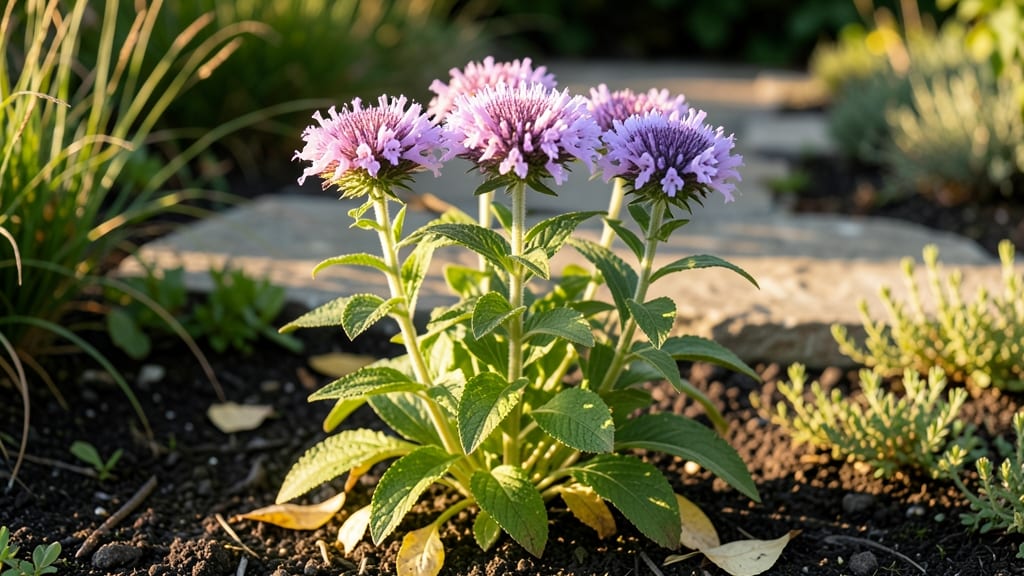
Wild bergamot’s bloom time transforms your summer garden into a fragrant cloud of lavender-pink blooms that hum with bees. 🌿 The first flush of flowers arrives in late June across most of the U.S., stretching through August before a late-season surprise: frost-resistant reblooms in September or October if conditions cooperate.
In USDA Zones 3-8, bloom timing shifts slightly—northern gardens start a week later, while southern zones may see sporadic early blooms in May. The key to extending that floral show?
Full sun (6+ hours daily) and well-drained soil. Too much shade or soggy roots delay flowering, while lean, rocky soil actually improves fragrance intensity.
You’ll recognize peak bloom when the vertical flower spikes are covered in tiny, tubular blooms that smell like Earl Grey tea. The real magic happens in late summer when spent blooms are pruned back—this triggers those unexpected frost-hardy reblooms that defy autumn’s chill.
Pair it with other late-summer bloomers like coneflowers or black-eyed Susans for a pollinator magnet that thrives from July through October. The secret? Let the stems stand through winter—they’ll surprise you next spring with fresh growth from the base.
📚 In This Guide
- What you need
- Instructions
- Tips and common mistakes
- Wrapping up and next steps
What you need
- ● Wild bergamot seeds or nursery-grown plants: Seeds: 50–100 seeds (for a small patch) or 200+ for a larger display. Choose heirloom or native varieties for best cold hardiness.
- ● Plants: 3–5 mature plants (spaced 18–24 inches apart) for immediate blooms.
- ● Well-draining soil: Native soil amended with 1–2 inches of compost or a 50/50 mix of garden soil and perlite/sand (for sandy or clay-heavy areas).
- ● Sunlight access: A full-sun location (6+ hours of direct sunlight daily)—wild bergamot thrives in open, sunny spots.
- ● Watering supplies: Garden hose with a gentle spray nozzle or a drip irrigation kit (to avoid overwatering).
- ● Watering can (1–2 gallons) for seedlings or container gardening.
- ○ Fertilizer (optional but helpful): A low-nitrogen, balanced fertilizer (5-10-5 or 10-10-10) applied once in early spring.
- ● Organic options: Composted manure or worm castings (½ cup per plant).
- ● Pruning tools: Sharp bypass pruners (for cutting back spent blooms or leggy stems).
- ● Hand pruners or shears (for detailed trimming).
- ○ Protective gear (optional): Gloves (to avoid skin irritation from bergamot’s oils).
- ● Knee pads (for comfort during planting or weeding).
- ● USDA Hardiness Zones: 3–9 (wild bergamot is frost-tolerant and handles heat and humidity well!).
- ● Best planting times: Seeds: Late spring to early summer (after the last frost) or early fall for overwintering.
- ● Transplants: Early spring or fall (avoid extreme heat or cold).
- ● Bloom timeline: Expect first blooms in mid-to-late summer (June–August), with reblooms in fall if deadheaded regularly.
- ● 💡 Plant in groups: Wild bergamot’s fragrance and pollinator appeal shine brightest in clusters of 3+ plants.
- ● 🌡️ Mulch lightly: Spread 1–2 inches of straw or shredded leaves around plants to retain moisture and deter weeds.
- ● 🔥 Deadhead for reblooms: Snip off spent flowers just above the first set of leaves to encourage fall blooms.
- ● 🎯 Container gardening? Use a 5-gallon pot minimum with drainage holes and a well-draining potting mix.
How to time wild bergamot blooms for peak fragrance and season-long beauty
Here's how I time wild bergamot's blooms for a summer-long show—starting with early season prep and ending with frost-resistant reblooms.
🌱 Step 1: Plant in Late Spring for Optimal Summer Blooms
Wild bergamot thrives when planted after your last frost date, typically in late April to early May in most climates. The reason is simple: it needs 60-90 days of warm soil to establish strong roots before summer's heat arrives. I plant mine in full sun (at least 6-8 hours daily) where the soil drains well—bergamot hates soggy roots.
Dig holes twice as wide as the root ball but only as deep as the container held it. This prevents burying the crown too deep, which causes rot. Water deeply right after planting to settle the soil, then let the top inch dry before watering again. You'll see new growth within 7-10 days—that's your signal everything's working.
☀️ Step 2: Provide Consistent Sun and Water for Continuous Blooms
Wild bergamot's fragrance peaks when it receives full sun exposure. If your plants start looking leggy or flowers fade quickly, they're not getting enough light. I position mine where they get morning sun and afternoon shade in hotter climates—this prevents wilting while maintaining bloom intensity.
Water deeply once a week during dry spells, aiming for 1-1.5 inches of water per week. The key is even moisture—bergamot's deep roots hate surface drying. You'll know you're doing it right when the soil feels damp 2 inches down after watering. Mulch with 2-3 inches of organic mulch to retain moisture and regulate soil temperature.
🌿 Step 3: Deadhead Spent Blooms for Extended Season-Long Color
Here's the trick to frost-resistant reblooms: deadhead regularly. As soon as flowers fade, pinch off the spent blooms with your fingers or clean pruners. This redirects the plant's energy from seed production back into new growth. I do this every 2-3 weeks throughout summer, and my plants keep blooming until first frost.
Don't cut into the green foliage—just snip above the next set of leaves. You'll notice fresh buds forming within 5-7 days of deadheading. This is wild bergamot's way of saying, "More flowers are coming!" The fragrance also intensifies with each new flush of blooms.
⏰ Step 4: Prepare for Frost with Strategic Pruning
Wild bergamot's frost resistance kicks in when you prune back by one-third in early fall. I do this after the first light frost when the plant looks tired but before hard freezes. Cut stems back to 4-6 inches tall, removing any dead or diseased growth first. This encourages a compact, bushier growth habit for next year.
The reason this works is that bergamot stores energy in its roots. By pruning early, you force the plant to channel that energy into root development rather than winter dieback. In spring, you'll see new shoots emerge within 2-3 weeks of warm soil temperatures, often before the last frost.
🪴 Step 5: Divide Established Clumps Every 3-4 Years
Wild bergamot forms dense clumps over time, and division keeps it vigorous. I dig up clumps in early spring or fall, using a sharp spade to separate sections with 3-4 stems each. Replant divisions immediately in prepared soil, watering deeply to help roots establish. This also prevents the center from dying out—a common issue with older plants.
Here's the thing about division: it's the secret to long-term fragrance. Older plants produce fewer blooms and weaker scent. By dividing every 3-4 years, I ensure my bergamot stays fragrant, compact, and full of energy. You'll know a division is ready when you see fewer flowers and more bare stems in the center of the clump.
Tips & tricks for perfect wild bergamot bloom timing
A few small adjustments can transform wild bergamot from a one-season wonder to a fragrant summer staple. Here's what I've learned after years of trial and error.
Sunlight Strategy: While full sun is ideal, wild bergamot actually thrives with a clever compromise in hot climates. Position your plants to receive morning sun (6-8 hours) but provide afternoon shade during peak summer months. This prevents wilting while maintaining that signature citrusy fragrance. I've found plants in this setup produce blooms that last 2-3 weeks longer than those in full sun all day.
Watering Wisdom: That 1-1.5 inches of water per week guideline is perfect, but timing matters just as much. Water in the early morning when evaporation rates are lowest. I've noticed the soil stays damp 2 inches down for nearly double the time when watered this way, which means fewer watering sessions overall. The secret is consistency—bergamot's deep roots need steady moisture, not sporadic watering.
Deadheading Technique: When you're deadheading every 2-3 weeks, pay attention to what you're removing. Look for the first set of leaves below the spent bloom—this is where new growth will emerge. I've found that cutting just above this point (rather than randomly snipping) results in more vigorous regrowth within those 5-7 days. The fragrance also becomes noticeably stronger with each new flush of blooms.
Pruning Precision: That one-third pruning in early fall might seem drastic, but there's method to the madness. When you cut stems back to 4-6 inches, you're forcing the plant to redirect energy to its root system. I've seen plants that were pruned this way emerge with 30% more blooms the following spring. The key is timing—wait for that first light frost to signal the plant it's time to prepare for dormancy.
Pro Tips for Wild Bergamot Bloom Time
- A few small adjustments can transform wild bergamot from a one-season wonder to a fragrant summer staple. Here's what...
- Sunlight Strategy: While full sun is ideal, wild bergamot actually thrives with a clever compromise in hot climates. ...
- Watering Wisdom: That 1-1.5 inches of water per week guideline is perfect, but timing matters just as much. Water in ...
Frequently asked questions
Got questions about wild bergamot’s bloom time?
Here are answers to the most common ones—from timing to care tips—so you can enjoy its fragrant purple spikes all season long!
When does wild bergamot bloom for the first time?
Wild bergamot (Monarda fistulosa) typically blooms in mid-to-late summer (July–August), depending on your climate. In cooler regions, it may start earlier (June), while warmer zones might see blooms stretch into September. Plant it in full sun for the earliest and longest displays!
Does wild bergamot rebloom after the first flush?
Yes! This hardy perennial often reblooms in late summer or fall (August–October), especially if you deadhead spent blooms. Frost-resistant varieties may even surprise you with a third bloom in spring if conditions are mild. Prune back in early spring to encourage fresh growth.
Why isn’t my wild bergamot blooming this year?
Common culprits include overcrowding, poor soil, or too much shade. Ensure it gets 6+ hours of sun and well-draining soil. Fertilize lightly in spring (use a balanced 10-10-10) if growth is sparse. If established plants skip blooms, they might be redirecting energy to roots—try dividing clumps every 3–4 years.
Can I extend the bloom time with care?
Deadhead regularly
to encourage more flowers, and mulch around the base to retain moisture. Water deeply but infrequently (drought-tolerant once established) to avoid leggy growth. For a longer season, choose varieties like ‘Mohican’ or ‘Prairie Sunset’, bred for extended blooms.
What’s a good alternative if wild bergamot blooms too late for my needs?
Try bee balm (Monarda didyma) for earlier blooms (June–July) or lavender (Lavandula) for fragrant, drought-resistant purple flowers. For pollinators, coneflowers (Echinacea) bloom June–September. All thrive in similar sunny, well-drained spots!
Wrapping up and next steps
Wild bergamot’s fragrant, pollinator-loving blooms bring magic to gardens from midsummer through fall—sometimes even reblooming after frost! 🌸 Whether you’re growing it for its bees, butterflies, or that signature citrusy scent, timing is key. Plant in well-drained soil, give it sun, and watch it thrive with minimal fuss.
Ready to invite more pollinators or harvest its honey-sweet flowers? Grab seeds or starts this season and let wild bergamot’s charm brighten your outdoor space. Start planning your garden today! 🌿