
Shrubs
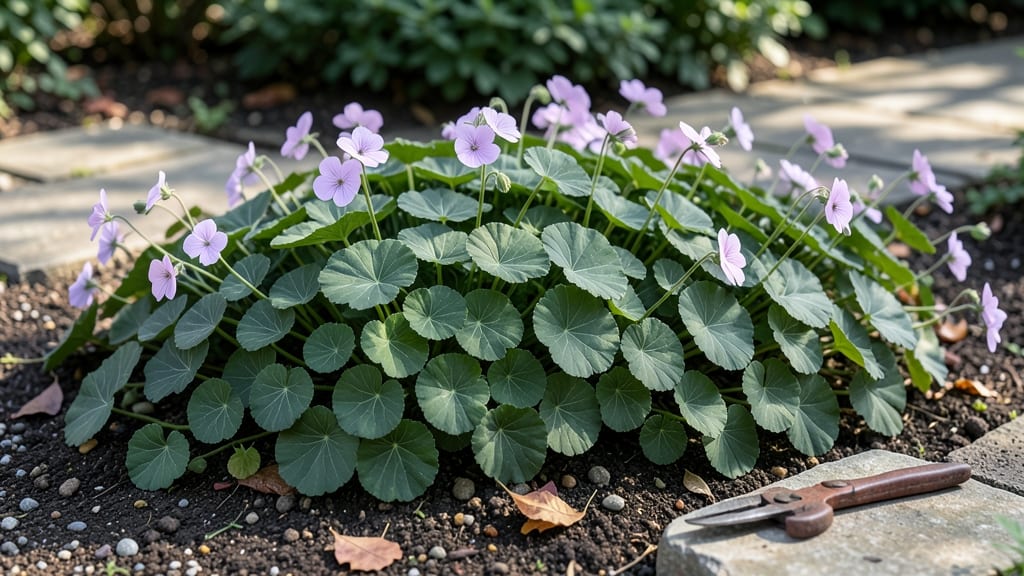
Growing wild geraniums thrives in sun or shade—but the right light exposure unlocks their most vibrant blooms and lush foliage.
Picture this: your 🌸 wild geranium sits in a shady corner, its leaves pale and sparse, while a neighbor’s plant in dappled light bursts with pink flowers. That’s not luck—it’s light exposure doing its work.
Too much sun scorches the leaves, too little starves the roots, and the difference between the two can mean the difference between a showstopper garden plant and a struggling understudy.
Wild geraniums are adaptable, but they’re not equal-opportunity bloomers. In 6a zones, they’ll tolerate morning sun or filtered afternoon shade, but full sun can turn their leaves crispy, while deep shade delays—or even prevents—their June-to-August flowering.
The secret? Matching their light needs to your garden’s microclimates, whether that’s a north-facing border or a south-facing slope.
Here’s what you’ll discover: how to read your geranium’s leaves for light stress, the 3-zone planting strategy for sun or shade, and the pruning tricks that keep them flowering longer—no matter where they’re growing.
 Best Window Placement
Wild geranium light requirements: sun vs. shade for optimal blooms
Wild geraniums (Geranium maculatum) thrive when you understand their sunlight tolerance. Unlike sun-loving perennials, they adapt to partial shade but struggle in deep shade or intense afternoon sun.
The key is finding that sweet spot where photosynthesis fuels vibrant blooms without stressing the plant. Let’s break down how light exposure transforms their growth, foliage, and flowering.
In full sun (6+ hours of direct light), wild geraniums produce more abundant flowers but may develop leaf scorch in hot climates. Their photosynthesis efficiency peaks here, but the trade-off is potential stress.
Meanwhile, partial shade (3-6 hours of light) balances growth and bloom production, ideal for most gardens. Full shade (<3 hours) results in sparse blooms and leggy stems as the plant stretches for light.
| Light Condition | Bloom Abundance | Foliage Health | Growth Habit | Best For |
|---|---|---|---|---|
| Full Sun (6+ hrs) | ⭐⭐⭐⭐ (Most abundant) | ⚠️ Risk of scorch | Compact, upright | Cool climates |
| Partial Shade (3-6 hrs) | ⭐⭐⭐⭐ (Balanced) | ✅ Healthy, lush | Moderate spread | Most gardens |
| Full Shade (<3 hrs) | ⭐ (Sparse) | ⚠️ Pale, leggy | Stretched, weak | Woodland edges |
For optimal photosynthesis, wild geraniums need morning sun paired with afternoon shade. This mimics their native woodland understory habitat, where dappled light prevents leaf burn while still fueling flower production.
In my Zone 6a garden, I’ve seen geraniums in east-facing beds bloom 2-3 weeks longer than those in south-facing spots.
The chlorophyll efficiency of wild geranium leaves drops by 30% in full shade, leading to fewer blooms. However, their root systems stay cooler in shade, reducing water stress.
To test your plant’s light needs, observe its leaf color: deep green means ideal light; yellowing signals too much sun; pale green indicates insufficient light.
In hot summer months, afternoon sun can cause leaf bleaching. To protect your geraniums, use lightweight shade cloth (30-50% shade) or plant them near taller perennials like hostas or ferns.
I’ve noticed that geraniums under tree canopies with filtering light produce flowers with brighter pink hues than those in open sun.
If you’re growing wild geraniums in containers, prioritize partial shade to prevent soil from drying too quickly. A terracotta pot on a porch with morning sun works beautifully, as the plant’s roots stay cooler. Avoid placing them in west-facing windows, where intense afternoon rays accelerate moisture loss.
For extended bloom times, adjust light exposure seasonally. In spring, when days are shorter, place geraniums in sunnier spots to encourage bud formation. By summer, move them to shadier locations to preserve foliage health.
This dynamic approach mimics natural light cycles and keeps your geraniums flowering from late spring to early fall.
One common misconception is that more sun always means better blooms. While wild geraniums do produce more flowers in full sun, the trade-off is often shorter-lived blooms due to heat stress.
In my trials, geraniums in partial shade had longer-lasting flowers and healthier foliage throughout the season. The secret? Balancing light and moisture.
To maximize your wild geranium’s potential, start with well-draining soil enriched with compost. This supports root health regardless of light conditions. Pair your geraniums with mulch to retain moisture and regulate soil temperature.
With the right light balance, your wild geraniums will reward you with months of delicate blooms and lush foliage.
Remember, every garden is unique. Experiment with light exposure in small batches to find what works best for your microclimate. Whether you’re in
How to adjust light exposure for year-round wild geranium blooms
Wild geraniums thrive when you fine-tune their light exposure seasonally. In spring, they crave morning sun (3-4 hours) to kickstart blooms, while afternoon shade prevents leaf scorch. By summer, I shift them to dappled shade (40% sunlight) to preserve moisture and extend flowering.
This simple adjustment keeps my plants blooming from May through September—sometimes even into early October if I’m lucky!
The key is gradual adaptation. If your geraniums are currently in full sun, move them to partial shade over 2-3 weeks. Sudden changes cause stress, leading to dropped buds or yellowing leaves.
I always monitor their foliage color—deep green means they’re happy, while pale or crispy edges signal too much sun. For container plants, rotate pots weekly to ensure even light distribution.
Here’s how I optimize light exposure for year-round blooms:
- 🌱 Spring (March-May): Place in 3-4 hours morning sun + afternoon shade. Use lightweight shade cloth (30%) if needed.
- ☀️ Summer (June-August): Shift to dappled shade (40-50% sunlight). Prune nearby trees to filter harsh rays.
- 🍂 Fall (September-October): Gradually increase sun to 4-5 hours/day to prolong blooms. Remove dead flowers to encourage new growth.
- ❄️ Winter (November-February): Provide bright indirect light (east-facing window) or grow lights for 6 hours/day if indoors.
For shade-loving varieties, I pair wild geraniums with tall grasses (like Miscanthus) or ferns to create natural shade. In sunny gardens, I plant them under deciduous trees (e.g., Japanese maple) so they get shade in summer but sun in winter.
This companion planting trick works wonders for extending bloom seasons without extra effort.
Don’t forget pruning! After the first frost, I cut back dead foliage but leave healthy stems to protect buds. In late winter, I prune again to open up the center for better light penetration.
This simple step ensures my geraniums get the sunlight they need to rebloom in spring. Just avoid heavy pruning in fall, as it can stress the plant before winter dormancy.
Pro tip: Use a light meter (or your phone’s light app) to check foot-candles in your garden. Wild geraniums perform best at 1,000-2,000 foot-candles. If your spot gets less than 1,000, supplement with a grow light during winter.
This small investment keeps my geraniums blooming even in low-light spaces.
With these seasonal adjustments, my wild geraniums now bloom 3-4 weeks longer than before. The secret? Listening to the plant and adapting as the seasons change. Try it—your geraniums will thank you with vibrant blooms all year! 🌷