
Blooming
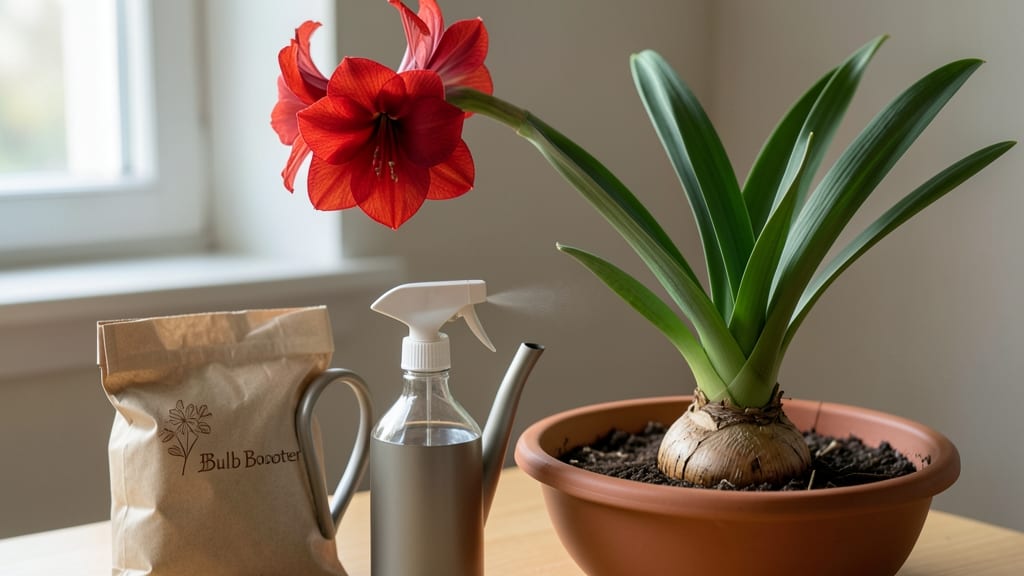
Amaryllis bulbs will bloom again if you give them the right aftercare: bright indirect light, reduced watering after flowering, and light spring fertilization. Overwatering or repotting too soon will actually stop them from reblooming.
Your amaryllis bulb's reblooming success depends on mimicking its natural growth cycle. 🌱 After the flowers fade, let the foliage grow for 6-8 weeks to store energy—this is when the bulb builds nutrients for next year's blooms.
I've found that cutting back on watering (only when the top inch of soil dries) prevents rot while keeping the plant healthy. The key is patience: forcing reblooms too soon drains the bulb's reserves, and you'll end up with weak stems or no flowers at all.
Light plays a surprisingly big role too—these bulbs need bright indirect light for at least 6 hours daily, but direct sun can scorch the leaves. I always place mine near an east-facing window where they get morning sun without afternoon heat.
And here's a pro tip: if your bulb skips blooming, check the roots—healthy roots mean stored energy for future flowers.
💡 In This Article
- Science Behind Amaryllis Reblooming Cycles
- Step-by-Step Guide to Encouraging Repeat Amaryllis Blooms
Science behind amaryllis reblooming cycles
Amaryllis bulbs follow a precise biological rhythm where energy storage and light exposure trigger reblooming. After flowering, the plant enters a 6-8 week foliage growth phase where it converts sunlight into starches stored in the bulb—like a natural battery. This stored energy fuels next year's flower spike.
Without this phase, the bulb lacks the reserves to produce another 2-3 foot tall bloom stalk. Think of it as the plant's way of preparing for winter dormancy, even if you keep it indoors.
The light spectrum matters too—amaryllis need blue and red wavelengths (400-500nm and 600-700nm) to stimulate photosynthesis and flower bud formation. Artificial grow lights with a 12,000K color temperature can supplement natural light during short winter days.
Temperature also plays a role: bulbs need 65-75°F during active growth but benefit from a 50-60°F nighttime drop in late summer to signal dormancy preparation. This temperature shift mimics autumn conditions, priming the bulb for its next growth cycle.
Bulb health is directly tied to root development. Healthy roots mean efficient nutrient absorption and energy storage.
When you see new roots growing through drainage holes, that's your plant telling you it's actively storing resources. 🌱 The bulb's outer scales act like protective layers—damaging them (through rough handling or overwatering) exposes the inner tissues to rot and prevents proper energy storage.
This is why repotting should only happen every 2-3 years, or only when the pot becomes too crowded.
Here's what happens when you disrupt this cycle: Overwatering causes the bulb to rot before it can store energy, while insufficient light leads to weak foliage that can't photosynthesize enough. Even fertilizer timing matters—too much nitrogen early on promotes leafy growth at the expense of flower buds.
The ideal fertilizer ratio for reblooming is 10-10-10 or 6-12-12, applied lightly every 4-6 weeks during the growing season. Too much phosphorus (P) can actually inhibit blooming.
One fascinating detail is how amaryllis bulbs age: younger bulbs (2-3 years old) typically produce 1-2 flower spikes per season, while mature bulbs (4+ years) can produce 3-4 spikes. This is because older bulbs have more stored energy and developed more meristem tissue (the growth points where flowers form).
The trade-off? Older bulbs may produce slightly smaller blooms as they allocate energy to maintaining their larger size. 🌸
For maximum reblooming success, aim for a 12-hour photoperiod during the growing season and maintain consistent moisture without soggy soil. The bulb's natural cycle is all about balance—too much of anything (water, light, fertilizer) throws off this delicate equilibrium.
When you get it right, you'll see that same spectacular 6-inch wide bloom return year after year.