
Light Requirements
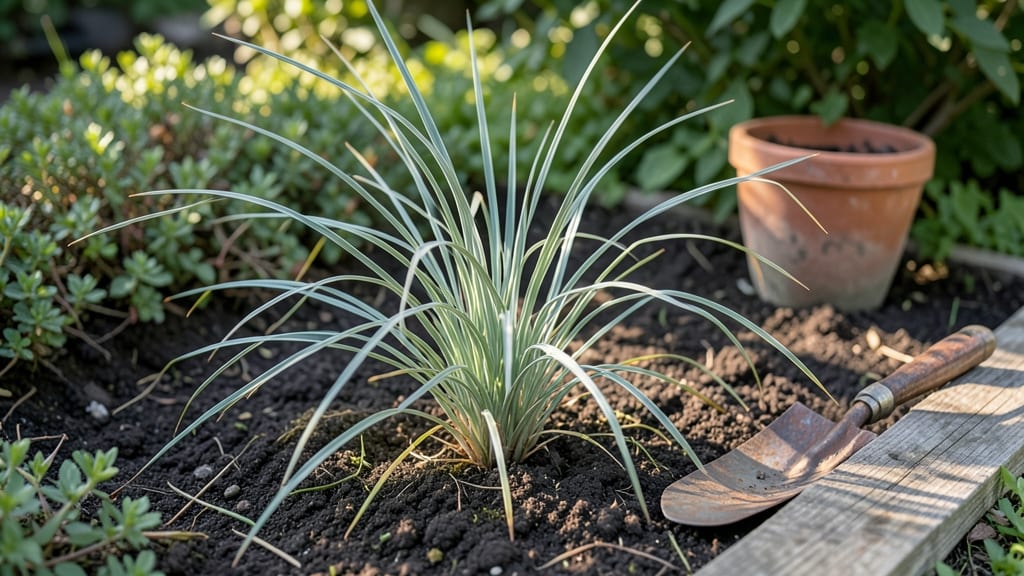
Growing lemon grass in shade is possible — but only if you tweak a few key factors to keep it thriving.
Picture this: you’ve planted your 🌿 lemon grass in that shady corner, hoping for lush growth, but instead, it’s stretching toward the light like a sleepy cat. The good news? With the right adjustments, you can still get vibrant, flavorful stems even in low-light spots.
Lemon grass isn’t picky, but it does need bright indirect light to avoid weak, leggy growth. Too little light, and you’ll end up with pale leaves and stunted stems.
But don’t worry — I’ve got 5 proven hacks to help you grow it successfully in shade, whether you’re gardening outdoors or keeping it indoors.
In this guide, I’ll break down how much shade lemon grass can handle, how to compensate for low light, and what to expect in terms of yield and flavor. By the end, you’ll know exactly how to turn that shady spot into a thriving lemon grass patch.


How much shade can lemon grass tolerate before growth suffers?
Lemon grass thrives in bright indirect light, but it can tolerate some shade—if you understand its limits. While it prefers 4-6 hours of sunlight daily, too much shade leads to weak stems and sparse leaves. The key is finding the right balance between partial shade and direct light exposure to keep your plants healthy and productive.
Outdoor gardeners often face shady spots under trees or near buildings, while indoor growers may struggle with low-light windows. Both scenarios require adjustments to compensate for limited sunlight.
The good news? With the right techniques, you can still grow vigorous lemon grass even in partial shade conditions, though growth may be slower and less robust.
Here’s how to assess your garden’s shade levels and determine if your lemon grass is getting enough light—or if it’s suffering from too much darkness.
| Light Condition | Daily Sunlight | Growth Impact | Signs of Stress |
|---|---|---|---|
| Full Sun | 6+ hours | Optimal growth, strong stems | None (best conditions) |
| Partial Sun | 4-6 hours | Healthy growth, slightly slower | Minimal (may need extra care) |
| Partial Shade | 2-4 hours | Slower growth, weaker stems | Yellowing leaves, sparse foliage |
| Heavy Shade | <2 hours | Stunted growth, poor yield | Leggy stems, pale leaves, weak aroma |
If your lemon grass is growing in partial shade (2-4 hours of sunlight), it can survive but may struggle to reach its full potential. Look for yellowing leaves or weak stems—these are clear signs your plant isn’t getting enough light.
In these cases, consider relocating your plants to a sunnier spot or supplementing with grow lights if indoors.
Outdoor gardeners can also prune nearby trees or trim branches to increase sunlight exposure during the growing season. Even just a few extra hours of morning sun can make a significant difference in your lemon grass’s health and productivity.
For indoor growers, place your lemon grass near an east- or west-facing window, where it can receive bright indirect light for most of the day.
If your space is particularly dim, a 12-inch LED grow light placed 6-12 inches above the plant can mimic natural sunlight and encourage stronger growth.
Another critical factor is soil health. In low-light conditions, nutrient-rich soil becomes even more important. Amend your soil with compost or organic fertilizer to compensate for slower photosynthesis. A balanced 10-10-10 fertilizer applied every 4-6 weeks during the growing season can help maintain vigor, even in shady spots.
Finally, monitor your lemon grass regularly for signs of light deficiency. If you notice pale or yellowing leaves, thin stems, or slow growth, it’s time to take action.
Whether you move the plant, adjust your indoor lighting, or improve soil conditions, addressing these issues early will help your lemon grass thrive—even in less-than-ideal light.
With the right approach, you can still enjoy a healthy lemon grass harvest, whether you’re working with partial shade or limited sunlight. The key is understanding your plant’s needs and making small, strategic adjustments to keep it growing strong.
5 Proven hacks to grow lemon grass in shade for maximum leaf production
Growing lemon grass in shade doesn't mean sacrificing lush, flavorful harvests. While it prefers bright indirect light, strategic adjustments can compensate for low light. The key lies in optimizing soil, spacing, and care routines to maximize leaf production.
With these 5 proven hacks, your shaded lemon grass can thrive and yield aromatic stems just like its sun-loving counterparts.
First, understand that partial shade (3-6 hours of filtered light) works best, but heavy shade will stunt growth. If your spot gets less than 3 hours of light, container gardening near a window or under grow lights becomes essential.
The good news? Lemon grass is adaptable—with the right conditions, it can still produce 3-4 feet of growth even in shady corners.
- 1
- 2
- 3
- 4
- 5
For container gardening, choose pots with drainage holes and fill them with a mix of peat moss, perlite, and compost (50-30-20 ratio). This lightweight blend prevents waterlogging while providing the aeration roots crave in shaded conditions.
I’ve found that moving containers to east-facing windows in morning light yields the best results.
Monitor your plants for yellowing leaves or thin stems, which signal light deficiency. If this happens, supplement with a grow light (12-14 hours/day) or relocate to a slightly sunnier spot. Even 2 extra hours of light can make a dramatic difference in leaf thickness and aroma.
With these hacks, your shade-grown lemon grass will produce thicker stems and more leaves than you’d expect. The secret? Mimicking ideal growing conditions through soil health, strategic pruning, and smart companion planting. Happy growing! 🌿