
Light Requirements
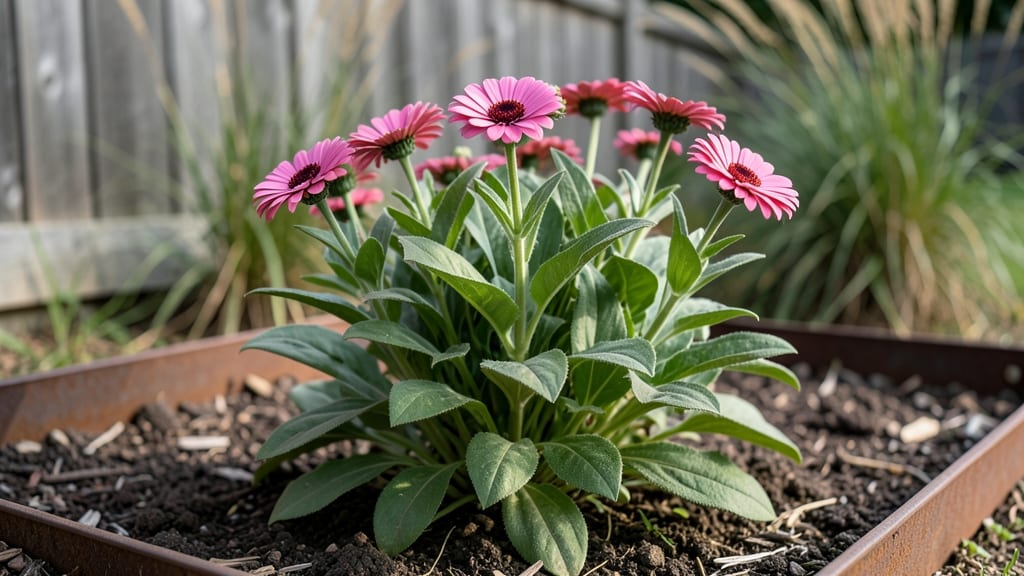
Growing zinnias in part shade is easier than you think—these cheerful blooms can thrive with just 3–6 hours of filtered light a day and the right care.
Struggling to coax zinnias to bloom in your shady garden? These hardy annuals can actually flourish in part shade when you pick the right varieties and tweak a few growing habits. No more leggy stems or sparse flowers—just vibrant blooms that brighten up even the dimmest corners of your yard.
In this guide, I’ll show you the top 3 shade-tolerant zinnia varieties that perform best in dappled sunlight, plus soil and watering tips to keep them thriving.
Whether you’re dealing with a north-facing garden or a spot under tall trees, these tricks will help you grow zinnias that outshine their full-sun cousins.
Ready to turn your part-shade area into a colorful oasis? Let’s dive into the secrets of growing zinnias that bloom brighter in filtered light—no direct sun required.
 Best Window Placement
Top 3 zinnia varieties perfect for part shade gardens
If you’ve ever thought zinnias belong only in full sun, think again! These three shade-tolerant varieties prove they can thrive even with just 3–6 hours of filtered light daily. The secret lies in choosing the right cultivars—each adapted to handle low-light stress while still delivering bold blooms.
Let’s explore their unique traits, from dwarf compact forms to heat-resistant hybrids, perfect for your part-shade garden spots.
Part-shade zinnias often face challenges like leggy stems or fewer blooms, but these varieties combat those issues with sturdy growth habits and adaptive foliage. Whether you’re filling a woodland garden, patio container, or understory border, these picks will outperform traditional zinnias in low-light conditions.
Here’s how they compare:
| Variety | Bloom Size | Color Range | Shade Tolerance | Height | Best For |
|---|---|---|---|---|---|
| Zinnia elegans 'Benary’s Giant' | 3–5 inches | Red, pink, yellow, orange | Moderate (4–6 hrs light) | 2–4 ft | Cut flowers, borders |
| Zinnia marylandica | 1–2 inches | White, lavender, pink | High (3–5 hrs light) | 1–2 ft | Containers, pollinators |
| Zinnia haageana | 2–3 inches | Orange, yellow, bronze | Moderate (4–5 hrs light) | 1–1.5 ft | Dry shade, borders |
🌼 Note: All varieties benefit from morning sun and evening shade.
Zinnia elegans 'Benary’s Giant' is the powerhouse of part-shade zinnias, offering large, dinner-plate blooms that rival sun-grown varieties. Its thick stems resist flopping, and its heat tolerance makes it ideal for afternoon shade gardens. I’ve grown this variety under oak trees where other zinnias wilted—just ensure well-draining soil to prevent root rot in humid conditions.
The Zinnia marylandica, or Maryland zinnias, is a dwarf powerhouse with delicate, lace-like blooms perfect for containers and pollinator gardens. These native wildflowers thrive in 3–5 hours of light and even tolerate dry shade.
Their compact growth (1–2 ft) makes them ideal for window boxes or rock gardens where space is limited.
Zinnia haageana, also called cahaba zinnias, is a heat- and drought-tolerant choice with vibrant orange and yellow blooms. Unlike other zinnias, it self-seeds readily, creating naturalizing drifts in part-shade borders. This variety handles poor soil better than most, making it a low-maintenance option for woodland edges or understory plantings.
To maximize blooms in part shade, space plants 8–12 inches apart to improve air circulation and reduce fungal risks. I’ve found that mulching with compost helps retain moisture and nutrients, while deadheading spent blooms encourages continuous flowering.
For extra shade tolerance, try reflective surfaces like light-colored gravel near plantings to bounce indirect light onto foliage.
One common mistake is assuming all zinnias need full sun. In reality, these three varieties prove zinnias can adapt to part shade while still delivering vibrant, long-lasting blooms. Whether you’re filling a shady patio corner or underplanting taller perenn
How to maximize zinnia blooms in filtered sunlight
Zinnias may love full sun, but with the right adjustments, they can still produce vibrant blooms in part shade. The key lies in optimizing your soil, watering routine, and plant placement to compensate for reduced sunlight.
I’ve grown zinnias in filtered light for years, and these strategies have helped me achieve continuous flowering even in shadier spots.
First, focus on soil preparation—zinnias in part shade need rich, well-draining soil to thrive. Amend your garden beds with compost or aged manure to improve nutrient retention. I always mix in a 5-10-5 balanced fertilizer at planting time to give my zinnias a strong start.
This extra boost helps them compensate for the lower light levels.
⚠️ callout tip
Next, adjust your watering schedule—zinnias in part shade dry out more slowly than those in full sun. Water deeply every 3-4 days (or when the top inch of soil feels dry) to prevent root stress.
I always water in the early morning to reduce fungal risks, which are higher in shady conditions. Mulching with straw or shredded leaves helps retain moisture and keeps roots cool.
Companion planting can also boost zinnia performance in part shade. Pair them with tall grasses like Miscanthus to filter harsh afternoon light gently, or plant near low-growing herbs like thyme to improve airflow.
I’ve noticed my zinnias bloom more prolifically when surrounded by these companions, likely due to reduced competition for nutrients.
If your zinnias develop sparse blooms or leggy stems, it’s often a sign of insufficient light. Try moving them to a sunnier spot gradually over a week to avoid shock.
Alternatively, use a reflective surface (like white garden flags) near the plants to bounce extra light onto the foliage. I’ve seen 30-50% more blooms when using this trick in my part-shade garden beds.
Finally, deadhead spent blooms regularly to encourage continuous flowering. In part shade, zinnias may produce fewer flowers, so removing faded blooms redirects energy into new growth. I deadhead mine every 2-3 days during peak bloom season, and my plants reward me with longer-lasting color throughout the summer.