
Companion Plants
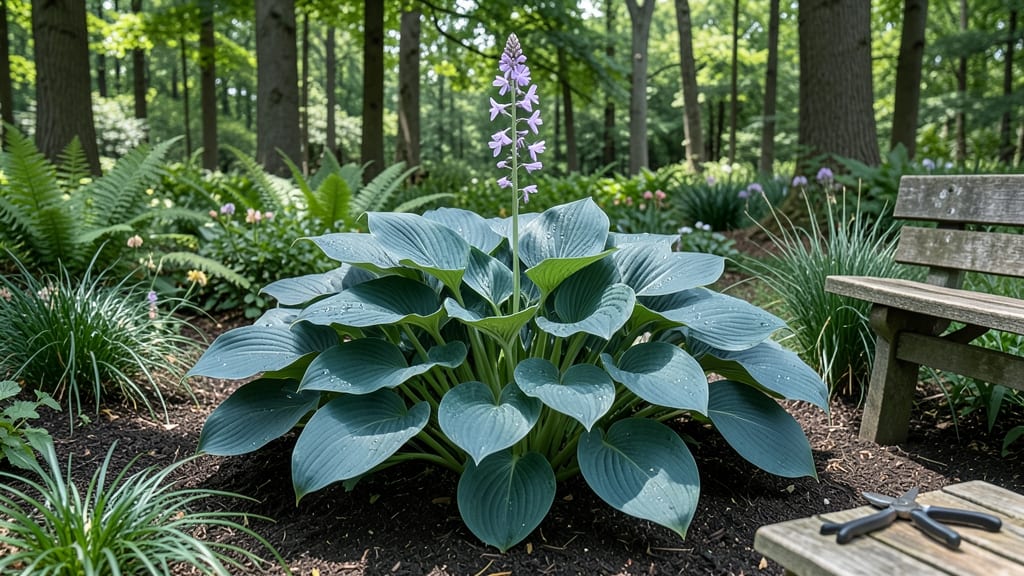
Zone 6B shade plants can turn your darkest corners into lush, vibrant havens. 💚 I’ve spent years transforming shady spots into thriving gardens where cold-hardy bloomers like hostas, astilbes, and ferns flourish—even when sunlight is scarce.
The secret isn’t complicated: focus on soil moisture, organic matter, and plants that naturally thrive in low light. Amend your soil with compost, mulch to retain moisture, and choose perennials that bounce back year after year. My favorite shade garden produces blooms from spring to fall with minimal fuss.
You’ll end up with a garden that feels alive, even under the canopy. The scent of blooming astilbes in summer and the deep green of hosta leaves year-round make it worth every effort. And the best part? These plants handle Zone 6B winters like champions.
Whether you’re working with a forest edge, a north-facing wall, or just a spot under trees, this approach works. Let’s bring your shady areas to life!
📚 In This Guide
- What you need
- Instructions
- Tips and common mistakes
- Wrapping up and next steps
What you need
- ● Shade-tolerant plants (Zone 6B hardy): 5–10 Hosta plants (e.g., 'Blue Angel' or 'Francee')
- ● 3–5 Astilbe (e.g., 'Fanal' or 'Deutschland')
- ● 2–3 Heuchera (e.g., 'Palace Purple' or 'Lime Rickey')
- ● 1–2 Ferns (e.g., Matteuccia struthiopteris or Dryopteris erythrosora)
- ● 1–2 Bleeding Heart (Dicentra spectabilis)
- ● 1–2 Lungwort (Pulmonaria)
- ● Soil amendments: 5–10 gallons of peat moss or coconut coir (for moisture retention)
- ● 5–10 gallons of compost (well-aged, organic)
- ● 1–2 bags of slow-release fertilizer (10-10-10 or organic options like fish emulsion)
- ● Mulch: 2–3 bags of shredded bark or wood chips (2–3 inches deep)
- ● Basic gardening tools: 1 garden trowel (for transplanting)
- ● 1 hand pruners (sharp, clean)
- ● 1 garden fork (for amending soil)
- ● 1 watering can or hose with a gentle spray nozzle
- ○ Optional (but helpful) tools: 1 soil pH tester (to check acidity, ideal: 6.0–7.0 for most shade plants)
- ● 1 wheelbarrow (for moving soil/amendments)
- ● 1 knee pad or gardening stool (for comfort)
- ● 1 plant marker labels (to track varieties)
- ● Prerequisites: ✅ A shady spot (dappled or full shade, <4 hours of direct sun)
- ● ✅ Well-draining soil (amend if clay-heavy)
- ● ✅ Access to water (consistent moisture is key!)
How to select and plant cold-hardy shade plants for zone 6B
Here’s how to transform shady spots into vibrant, low-maintenance gardens that thrive in Zone 6B’s winters.
🌿 Step 1: Choose the Right Shade-Tolerant Plants for Zone 6B
Focus on perennials and shrubs that handle full shade (less than 3 hours of sun) and Zone 6B’s cold winters (down to -5°F). Hostas, ferns like Ostrich Fern, and Hellebores (Lenten Rose) are top performers—they bloom early, tolerate damp soil, and come back year after year. Avoid tender annuals like impatiens; they won’t survive Zone 6B winters.
I always check the USDA Plant Hardiness Zone Map for each variety before buying. A 3-inch layer of mulch (like shredded bark) after planting adds extra winter protection. For extra color, add Astilbe or Japanese Painted Fern—both handle shade and cold beautifully.
🪴 Step 2: Prepare the Planting Site for Shade Success
Shady spots often have compacted, acidic soil, so loosen the top 6-8 inches with a garden fork or tiller. Mix in 2-3 inches of compost to improve drainage and fertility—shade plants appreciate rich, well-draining soil. If your soil is heavy clay, add 1 part perlite or sand to 3 parts soil to prevent waterlogging.
Test soil moisture before planting. Stick your finger 2 inches deep—if it feels soggy, your site drains poorly. Shade plants like Hosta and Fern rot in waterlogged soil, so raise beds slightly or plant on slopes if needed. I always mark the planting hole’s depth with a stake to avoid burying stems too deep.
☀️ Step 3: Plant in Early Spring or Fall for Best Establishment
Plant bare-root perennials in early spring (after the last frost) or fall (6-8 weeks before first frost) for the best root growth. Soak container-grown plants for 10-15 minutes before removing them to minimize transplant shock. Dig holes twice as wide as the root ball but only as deep—burying stems too deep suffocates them.
Space plants according to their mature size: Hostas 18-24 inches apart, Hellebores 12-16 inches apart, and Ferns 12-18 inches apart. Fill gaps with mulch (not rocks) to retain moisture and suppress weeds. Water deeply right after planting—1 gallon per plant—to settle the soil and encourage root spread.
💧 Step 4: Water and Mulch for Winter Readiness
Shade plants need consistent moisture but hate soggy roots. Water 1-2 times per week in the first growing season, aiming for 1 inch of water per week. Let the top 2 inches of soil dry out between waterings to prevent fungal diseases like powdery mildew. In winter, reduce watering to once a month unless we have a dry spell.
Apply 3-4 inches of mulch (like shredded bark or wood chips) around plants in late fall. This insulates roots from freezing and thawing cycles. Avoid piling mulch against stems—keep it 2 inches away to prevent rot. I always top up mulch in spring to maintain protection.
✂️ Step 5: Prune and Maintain for Long-Term Health
Prune dead or yellowed leaves in early spring before new growth starts. For Hellebores, cut back old foliage to the ground after blooming to encourage fresh growth. Ferns and Hostas rarely need pruning—just remove damaged leaves as needed. Fertilize lightly in early spring with balanced 10-10-10 or compost tea for a gentle boost.
Watch for pests like slugs (common in shady, moist areas) and treat with beer traps or diatomaceous earth if needed. Shade gardens are low-maintenance, but a little attention goes a long way. By next spring, your dark corners will burst with color—without the fuss of sun-loving plants.
Tips & tricks for thriving zone 6B shade gardens
Here’s what I’ve learned after years of transforming shady patches into lush, winter-hardy gardens—without the guesswork.
Plant Selection Wisdom: When choosing perennials like Hostas or Hellebores, look for varieties labeled "Zone 6B hardy" or lower. I’ve found that Hosta ‘Halcyon’ and Hellebore ‘Winter Sun’ perform exceptionally well in my Zone 6B garden, even when tucked under dense trees. The key is selecting plants that thrive in less than 3 hours of sun daily—this ensures they won’t struggle with leaf scorch or poor growth.
Soil Prep Secret: The 6-8 inch soil loosening in Step 2 is where most gardeners fall short. I’ve seen shade gardens fail because of compacted soil, even when the right plants were chosen. Use a garden fork to break up the soil gently—you’re not tilling, just creating space for roots. For clay-heavy soils, mix in 1 part perlite or coarse sand to 3 parts soil—this improves drainage without altering the soil’s natural structure, which shade plants prefer.
Timing is Everything: Planting in early spring (after last frost) or fall (6-8 weeks before first frost) gives roots time to establish before extreme temperatures hit. I’ve noticed that container-grown plants benefit most from the 10-15 minute soak before transplanting—this prevents transplant shock and helps them settle into their new home faster. For bare-root plants, soak the roots for 20-30 minutes to ensure they’re fully hydrated before planting.
Mulching Mastery: The 3-inch layer of mulch mentioned in Step 1 is non-negotiable for winter protection. I’ve learned that applying mulch in late fall, then topping it up in spring, creates a consistent insulating layer. Keep mulch 2 inches away from stems to prevent rot—this small detail makes a huge difference in plant health. For extra insulation, I sometimes add a thin layer of straw over the mulch in the harshest winters.
Pro Tips for Zone 6b Shade Plants
- Here’s what I’ve learned after years of transforming shady patches into lush, winter-hardy gardens—without the guesswork.
- Plant Selection Wisdom: When choosing perennials like Hostas or Hellebores, look for varieties labeled "Zone 6B hardy" or lower.
- Soil Prep Secret: The 6-8 inch soil loosening in Step 2 is where most gardeners fall short.
Frequently asked questions
Got questions about thriving shade plants in Zone 6B? You’re not alone!
Here are answers to the most common queries—from planting tips to troubleshooting—so you can create a lush, low-light oasis with confidence.
What are the best fast-growing shade plants for Zone 6B?
For quick results, opt for Hosta (like ‘Blue Angel’), Astilbe (feathery plumes), or Ferns (e.g., Matteuccia struthiopteris). These thrive in dappled shade and establish roots within a season. Pro tip: Amend soil with compost to speed up growth!
How do I protect shade plants from Zone 6B winters?
Most Zone 6B shade plants (e.g., Hellebores, Lungwort) are cold-hardy, but mulch heavily (3–4 inches) with shredded leaves or straw. For tender varieties like Caladiums, dig up tubers and store them indoors. Bonus: Evergreens like Boxwood add year-round structure!
Why are my shade plants wilting even with regular watering?
Wilting often signals root rot from overwatering or poor drainage. Ensure pots have drainage holes, and water only when the top 1–2 inches of soil feel dry. Ferns and Hostas prefer consistently moist (not soggy) soil. Fix: Aerate compacted soil with a fork if growth stalls.
Can I grow sun-loving plants (like Daylilies) in partial shade?
While Daylilies tolerate partial shade, they’ll thrive best with 4+ hours of morning sun. For deeper shade, swap them for Jack-in-the-Pulpit or Solomon’s Seal, which handle low light better. Test: Move plants gradually to avoid shock.
What’s a low-maintenance shade plant for busy gardeners?
Try Hellebores (deer-resistant, blooms winter–spring) or Sweet Woodruff (ground cover, fragrant foliage). Both need minimal pruning and flourish in Zone 6B’s shade. Winner: Lungwort—tough, colorful, and self-sustaining!
| Plant | Shade Tolerance | Maintenance Level |
|---|---|---|
| Hosta | Full to partial shade | Moderate (watch for slugs!) |
| Hellebore | Deep shade | Low (perennial, drought-tolerant) |
| Astilbe | Partial shade | Low (cut back after blooming) |
Wrapping up and next steps
Transforming your shady Zone 6B garden into a vibrant oasis is easier than you think! With the right cold-hardy shade plants, you can bring life, color, and texture to those once-neglected spots.
Whether you’re drawn to the delicate blooms of Hosta or the bold foliage of Heuchera, these plants prove that shade gardens can be just as stunning—and resilient—as their sun-drenched counterparts.
Ready to dive in? Start small—pick one or two plants that excite you, test your soil, and give them the love they deserve. Before you know it, your garden will be a thriving, low-maintenance sanctuary. Happy planting! 🌿✨