
Blooming
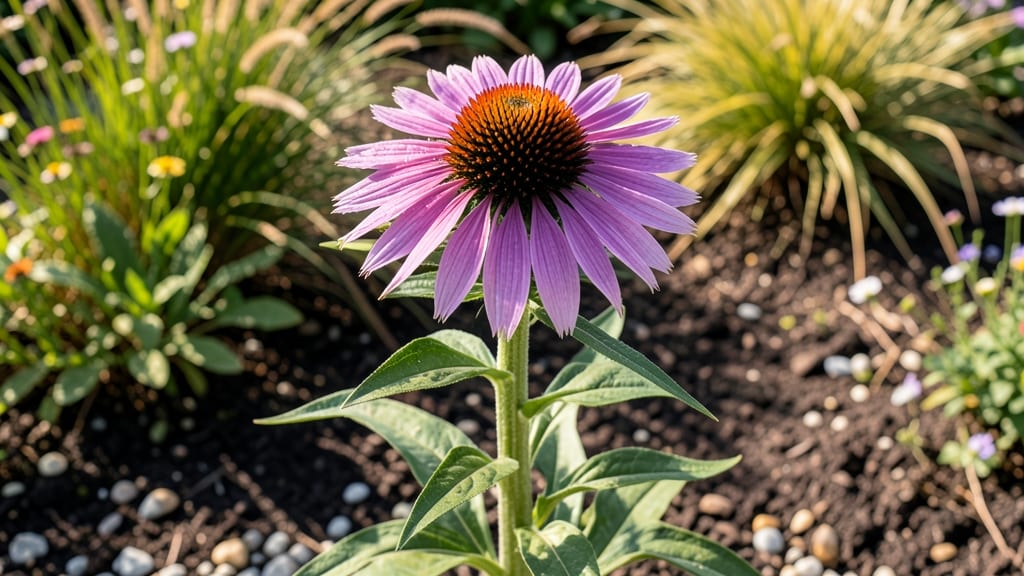
Zone 8 perennials that bloom all summer include heat-tolerant varieties like Black-Eyed Susan, Lantana, and Salvia, which thrive in high temperatures and provide continuous color from early June through frost. Select reblooming cultivars and proper placement for extended flowering seasons.
If you're looking for long-blooming perennials that can handle Zone 8's intense summer heat, these plants are your best bet. 🌿 The key to their success lies in their natural adaptations—deep root systems that reach moisture, waxy leaves that conserve water, and flowers that attract pollinators even in dry conditions.
Unlike many annuals that fade quickly, these perennials reward you with vibrant displays well into fall, making them perfect for low-maintenance gardens.
What sets these varieties apart is their ability to rebound after each bloom cycle. For example, Lantana naturally sheds spent flowers, encouraging new growth, while Salvia's square stems store water efficiently.
I've seen gardens in 90°F+ temperatures where these plants continued blooming while other perennials wilted—proving they're built for the challenge.
💡 In This Article
- Why These Perennials Thrive in Zone 8 Heat
- Pro Tips for Maximizing Summer Blooms in Zone 8
Why these perennials thrive in Zone 8 heat
Zone 8's summer heat—often exceeding 90°F—creates a harsh environment for most plants, but these perennials have evolved unique survival mechanisms. Their deep taproots (like Black-Eyed Susan, which can reach 3-4 feet deep) access groundwater, while waxy leaf coatings (found in Lantana) reduce water loss through transpiration.
These adaptations allow them to maintain vigorous growth even when surface soil dries out.
Their flowering strategies are equally impressive. Many, like Salvia and Coneflower, produce flowers on long stems that continue blooming from the base upward—a process called "sequential flowering." This ensures a steady supply of blossoms even when individual flowers fade.
The 1-2 inch wide blooms of Lantana also contain nectar that attracts pollinators, which helps sustain the plant's energy production during heatwaves.
Light requirements vary slightly among these perennials, but most thrive in full sun (6+ hours daily). For example, Black-Eyed Susan tolerates partial shade but produces 20-30% more blooms in full sun, while Salvia actually benefits from afternoon shade in the hottest regions.
The key is matching their native habitats—most originate from Mediterranean climates where hot, dry summers are the norm.
Soil preferences also play a crucial role.
These perennials generally prefer well-draining soil with a pH between 6.0-7.5, which prevents root rot while allowing oxygen to reach their extensive root systems. Lantana, for instance, grows best in sandy or rocky soils where water drains quickly, while Coneflower adapts to heavier clay soils if amended with compost.
The common thread? All these plants dislike soggy conditions, which is why raised beds work wonders in Zone 8.
What's fascinating is how their foliage changes in response to heat. Many develop a silvery-blue hue (like Russian Sage) due to fine hair-like structures that reflect sunlight and reduce leaf temperature by 5-10°F.
This isn't just cosmetic—it's a survival tactic that prevents heat stress while maintaining photosynthesis. The result? Plants that continue blooming when others would go dormant.
One often-overlooked factor is their ability to handle temperature fluctuations. While most plants struggle with sudden drops from 95°F to 75°F at night, these perennials have developed heat shock proteins that protect their cellular structures.
This resilience explains why they can bloom continuously from June through October in Zone 8, often pushing their limits until the first frost.