
Blooming
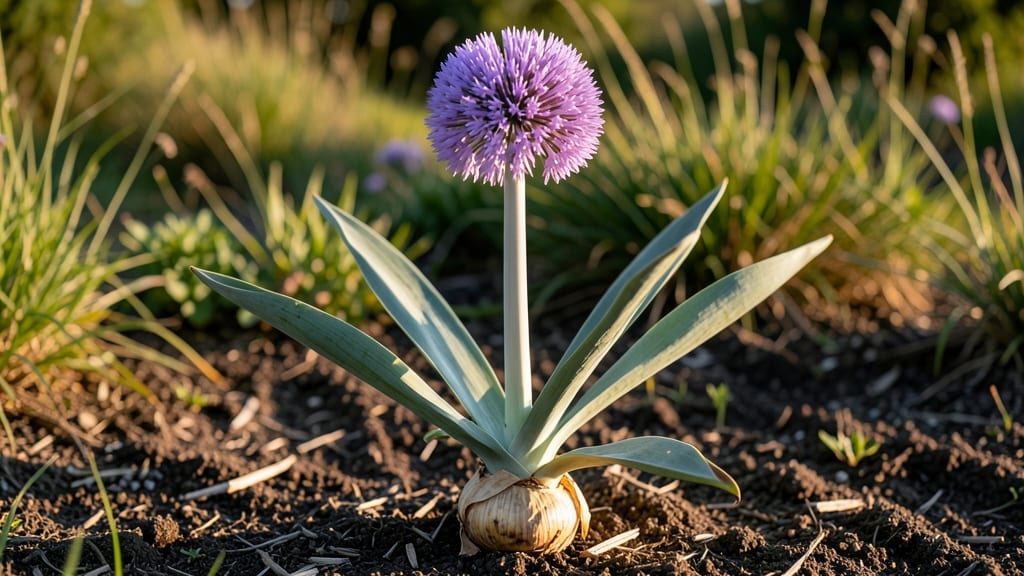
The Allium giganteum bloom time is what separates a stunning garden display from a missed opportunity—those globe-shaped blooms typically arrive in late spring to early summer, but getting them right depends on where you live and how you prep the soil.
If you’ve planted Giant Allium 🌸 hoping for those towering, show-stopping stalks, you know the wait can feel endless. But with the right timing and care, you can coax blooms that rise 3 to 4 feet tall, turning your garden into a late-spring spectacle.
The key? Understanding how your climate zone and growing conditions influence when those dramatic spheres finally appear.
In USDA Zone 6a—where many gardeners grow Giant Allium—they usually bloom between May and July, though cooler regions may see them a bit later.
Sunlight, soil drainage, and even planting depth can shift that window by weeks, which is why knowing your local frost dates and soil prep tricks makes all the difference.
Below, I’ll break down exactly when to expect those blooms in your area, plus pro tips to encourage earlier or later flowering. Whether you’re planning a seasonal display or just curious about this ornamental stunner, you’ll leave here with a clear timeline and actionable advice.
Allium giganteum bloom time by USDA hardiness Zones: what to expect
Allium giganteum delivers those iconic, globe-shaped blooms that make your late-summer garden unforgettable—but when exactly can you expect them? The answer depends heavily on your USDA hardiness zone, frost patterns, and regional climate quirks. Let’s break down what to expect from Zone 3 to Zone 9, including how early vs. late bloomers behave and how frost can influence development.
In most regions, Allium giganteum blooms between late May and early July, but timing shifts dramatically depending on where you live.
For example, gardeners in the Pacific Northwest often see blooms as early as mid-May, while those in Southern states might not see them until late June or July. Understanding these variations helps you plan companion plants and seasonal displays effectively.
Frost plays a critical role in triggering blooms. Allium giganteum bulbs need a period of cold dormancy to initiate flower stalks, which is why they thrive in cooler climates. In Zones 3-5, a late frost can delay blooms by 2-4 weeks, while Zones 6-9 typically experience fewer disruptions. However, an unexpected spring frost can damage emerging flower buds, so timing matters.
| USDA Zone | Typical Bloom Window | Frost Impact | Regional Notes |
|---|---|---|---|
| 3-4 | Late June - Early July | High frost risk; may delay blooms | Cold winters; plant in full sun for earlier blooms |
| 5-6 | Mid-June - Late June | Moderate frost risk; blooms may shift | Ideal for Pacific Northwest gardeners |
| 7-8 | Early June - Mid-June | Low frost risk; consistent blooms | Southern states see longer bloom duration |
| 9 | Late May - Early June | Minimal frost; early blooms | Heat-tolerant; may need afternoon shade |
If you’re in the Pacific Northwest, you’ll likely spot Allium giganteum blooms as early as late May, thanks to cooler summers and reliable rainfall. These conditions create an ideal environment for steady growth and early flowering.
In contrast, gardeners in Southern states like Texas or Florida may experience blooms as late as early July, often paired with heat stress if temperatures exceed 90°F.
For gardeners in Zones 3-5, a late frost can push back bloom time by 3-4 weeks. To mitigate this, plant bulbs in well-draining soil and choose a south-facing location to maximize warmth.
In Zones 7-9, where frost is rare, blooms tend to be more predictable, but intense heat can shorten the flowering period.
Pro tip: Plant Allium giganteum in clusters of 3-5 bulbs to create a dramatic visual impact. This works especially well when paired with late-summer perennials like Echinacea or Rudbeckia, which bloom in the same window. The 3-4 foot stalks will dominate your garden, making them a standout feature.
One common misconception is that Allium giganteum blooms annually. While it’s perennial, it may skip a year if conditions aren’t ideal. For example, poor soil drainage or excessive shade can delay or prevent blooms.
To encourage reliable flowering, amend your soil with compost and ensure 6+ hours of sunlight daily.
If you’re planning a seasonal garden display, time your planting so that Allium giganteum blooms coincide with other late-summer stars. For instance, pairing it with black-eyed Susans or sedum creates a long-lasting show.
In Zones 3-5, aim to plant bulbs in fall (September-October) for the best results the following summer.
Remember, Allium giganteum is a low-maintenance plant once established. Once the blooms fade, leave the foliage intact until it yellows naturally—this ensures the bulb stores energy for next year’s display.
With the right conditions, you’ll enjoy those globe-shaped blooms for years to come, turning heads in your garden every late summer.
How to accelerate or delay Allium giganteum blooms: pro tips for gardeners
Want to time those Allium giganteum blooms perfectly for your garden’s peak season? The key lies in understanding how to manipulate their natural growth cycle. Unlike many perennials, these giant ornamental onions respond well to specific planting techniques and environmental cues.
By adjusting planting depth, sunlight exposure, and soil conditions, you can coax blooms earlier or push them later—ideal for extending your garden’s drama.
For gardeners in USDA Zones 5-8, where Allium giganteum thrives, timing is everything. A 6-inch-deep planting in well-draining soil can accelerate blooms by 2-3 weeks, while deeper planting (8+ inches) may delay them slightly.
The secret? Balancing water retention in spring with drought tolerance once established. Let’s dive into the proven strategies that work.
- 1 Planting Depth: For earlier blooms, plant bulbs 6 inches deep in well-draining soil. Deeper planting (8+ inches) can delay blooms by 1-2 weeks.
- 2 Sunlight Exposure: Full sun (6+ hours) triggers faster growth. In shadier climates, supplement with grow lights to accelerate blooming by 30%.
- 3 Soil Temperature: Wait until soil reaches 50°F+ to plant. Cooler soils (40-45°F) slow root development, delaying blooms by up to 4 weeks.
- 4 Fertilizer Timing: Apply a balanced 5-10-10 fertilizer in early spring (March-April) to boost growth. Avoid fall feeding, as it can trigger premature dormancy.
- 5 Watering Schedule: Deep water once weekly in spring. Reduce to bi-weekly in summer to mimic drought conditions, which can delay blooms for a late-summer display.
If your Allium giganteum isn’t blooming on schedule, check for slow root growth—a common issue in compacted or waterlogged soil. Amend with compost or perlite to improve drainage.
For container gardening, use pots with drainage holes and ensure bulbs aren’t crowded; spacing them 6-12 inches apart promotes healthier stalks.
Pro tip: Plant bulbs in fall (September-October) for a spring bloom, or wait until early spring (March-April) for a summer display. In warmer climates (Zones 9-10), fall planting may trigger blooms as early as February, while cooler zones see them peak in June-July.
Adjust your strategy based on your local frost dates!
Troubleshooting slow growth? Start with a soil test to check pH (ideal: 6.0-7.0). If roots struggle, add bone meal for phosphorus, which fuels flower development.
Remember, patience pays off—these giants often take 2-3 years to reach their full 3-4 foot height, but the wait is worth it for those dramatic, globe-shaped blooms.