
Shrubs
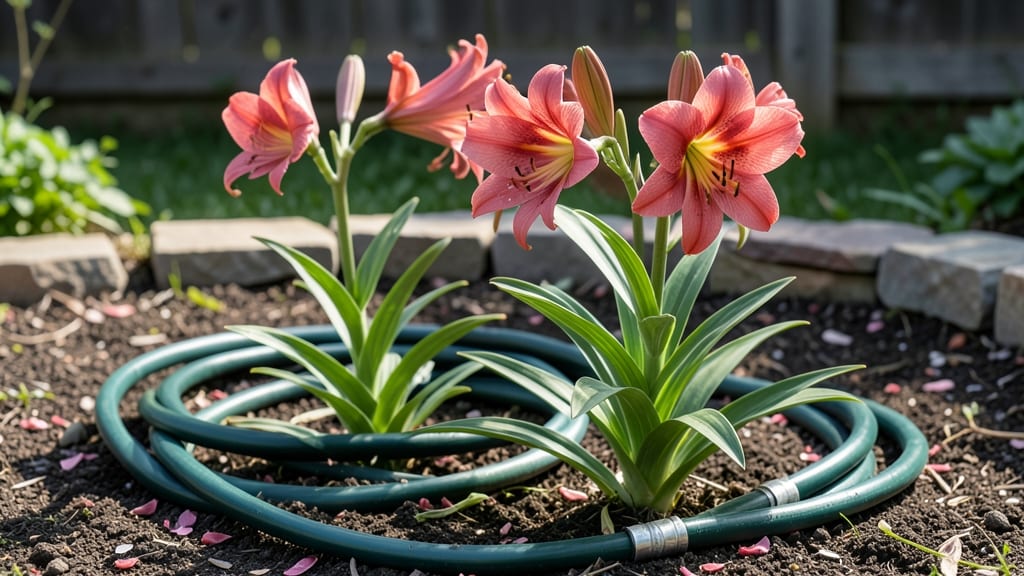
Asiatic lilies 🌸 thrive in full sun or partial shade, but getting the balance right is the key to those showstopping blooms you’ve been dreaming of.
Struggling to get your Asiatic lilies to bloom as vibrantly as the garden center displays? The secret might be simpler than you think—light exposure plays a surprisingly critical role in their performance.
Too much shade, and you’ll end up with leggy stems and sparse flowers. Too much harsh sun, and those delicate petals can scorch before they even open.
In USDA Zone 6a, where spring planting kicks off in March, these medium-height beauties need at least 6 hours of sunlight daily—but not the scorching afternoon rays of a west-facing spot.
Instead, aim for morning sun with afternoon shade, especially in hotter regions. The right light setup isn’t just about placement; it’s about understanding how your garden’s microclimate affects their growth.
Below, I’ll break down the ideal light conditions, how to adjust for your specific climate, and troubleshooting tips to fix common issues like leaf scorch or poor blooming. By the end, your Asiatic lilies will be putting on a show that makes every other garden in the neighborhood jealous.
 Best Window Placement
Ideal light conditions for Asiatic lilies: sun vs shade breakdown
Asiatic lilies (Lilium asiatic) are showstoppers in any garden, but their light requirements often get overlooked. These sun-loving perennials thrive with 6-8 hours of direct sunlight daily, but too much shade can leave you with smaller blooms or no flowers at all.
Understanding the balance between full sun and partial shade is key to unlocking their full potential.
The USDA zones 3-9 offer diverse climates where Asiatic lilies grow, but their light needs shift based on your region. In hot southern zones (7-9), afternoon shade protects leaves from scorching, while cooler northern zones (3-6) benefit from full sun exposure.
Even a 1-2 hour difference in sunlight can impact bloom size and plant health.
Too much shade stunts growth because lilies rely on sunlight for photosynthesis, which fuels their energy to produce vibrant blooms. Without enough light, they may produce fewer stems or weak, leggy foliage.
Conversely, intense midday sun in hot climates can cause leaf burn, turning edges brown and crispy. Finding the sweet spot ensures your lilies stay healthy and burst with color.
Here’s how to navigate the sun vs shade debate for Asiatic lilies, tailored to your garden’s conditions:
| Light Condition | Daily Sunlight | Best For | Bloom Impact | Regional Notes |
|---|---|---|---|---|
| Full Sun | 6-8+ hours | Cooler climates (Zones 3-6) | Large, vibrant blooms | Ideal for northern gardens |
| Partial Shade | 4-6 hours | Hot climates (Zones 7-9) | Moderate blooms, healthier foliage | Protect from afternoon sun |
| Too Much Shade | <3 hours | Any climate | Sparse or no blooms | Avoid dense tree shade |
| Intense Midday Sun | 6+ hours (direct) | Southern gardens | Leaf scorch risk | Use shade cloth in summer |
In USDA zones 3-5, Asiatic lilies crave full sun to fuel their growth. Plant them in south-facing beds where they’ll receive morning sun and gentle afternoon light. If your garden lacks direct sunlight, consider reflective surfaces like light-colored walls or gravel to bounce extra light onto the plants.
For zones 6-9, especially in hotter regions, partial shade becomes a game-changer. Position your lilies where they get morning sun and afternoon shade from trees or structures.
This protects their delicate foliage while still allowing enough light for healthy blooms. A 30% shade cloth can also help filter harsh rays during peak summer hours.
Watch for visual cues that your lilies aren’t getting the right light. Pale, stretched leaves signal too little sun, while brown, crispy edges mean too much. Adjust their location gradually—moving them 1-2 feet closer to shade or sun over a week helps avoid shock.
Consistency is key; sudden changes can stress the plants and delay flowering.
Pro tip: Mulch around your lilies with 2-3 inches of organic mulch to retain moisture and regulate soil temperature. This helps them thrive in borderline light conditions by reducing stress.
Pair this with balanced fertilizer (like 5-10-10) in early spring to give them the nutrients they need to bloom beautifully.
If you’re in a high-rise apartment or shady backyard, don’t despair—Asiatic lilies can still shine with the right adjustments. Place them near a south-facing window or use grow lights for 12-14 hours daily during their growing season.
Container gardening also offers flexibility to move plants as light conditions change throughout the day.
Remember, the goal is vibrant blooms, not just survival. By tailoring light exposure to your climate and garden setup, you’ll transform your Asiatic lilies from <
How to adjust light exposure for maximum Asiatic lily blooms
Asiatic lilies thrive with 6+ hours of sunlight daily, but too much direct sun in hot climates can scorch their leaves. The key is finding that sweet spot—morning sun with afternoon shade works best in many regions.
If your garden lacks this balance, don't worry—simple adjustments can transform your lilies from lackluster to show-stopping.
First, assess your garden's natural light patterns. Observe where sunlight hits between 10 AM and 4 PM—this is the critical window for Asiatic lilies. If your plants are in full sun all day, especially in USDA zones 7-9, they may need afternoon protection.
Conversely, if they're tucked under dense trees with less than 4 hours of light, they'll struggle to bloom.
- 🌳 Prune Overhanging Branches: Thin out tree limbs to allow filtered sunlight while reducing wind damage. Aim for 30-50% light reduction in hot afternoons.
- ☀️ Use Shade Cloth: Install 30-50% shade cloth during peak summer months (June-August). Secure it 3-4 feet above plants to avoid blocking airflow.
- 📍 Relocate to East-Facing Beds: Move potted lilies or dig up clumps to east-facing garden spots for gentle morning sun. West-facing beds often get too much afternoon heat.
- ✂️ Thin Foliage Nearby: Remove dense shrubs or tall grasses within 3 feet of lilies to improve air circulation and light penetration. Prioritize south and west sides of plants.
Seasonal adjustments are equally important. In spring and fall, when temperatures are mild, your lilies can handle full sun exposure. But during summer heatwaves, even partial shade becomes essential.
I've seen Asiatic lilies in zone 8 gardens bloom twice as vigorously after adding temporary shade cloth for just 2-3 hours in the afternoon.
Watch for leaf scorch (brown edges) or pale, weak stems—these are red flags. Leaf scorch means too much direct sun, while weak stems often signal insufficient light.
Adjust gradually: if your lilies are struggling, move them to a slightly shadier spot for 1-2 weeks before making permanent changes.
For container growers, rotate pots quarter-turns weekly to ensure even light exposure. If your balcony only gets 2-3 hours of morning sun, pair Asiatic lilies with tall sun-loving companions like clematis or hollyhocks to create a microclimate with better light distribution.
Remember, the goal is consistency. Sudden changes in light can stress your plants, so monitor their response and tweak as needed. With the right balance, your Asiatic lilies will reward you with bold, vibrant blooms from early summer through fall. 🌸