
Companion Plants
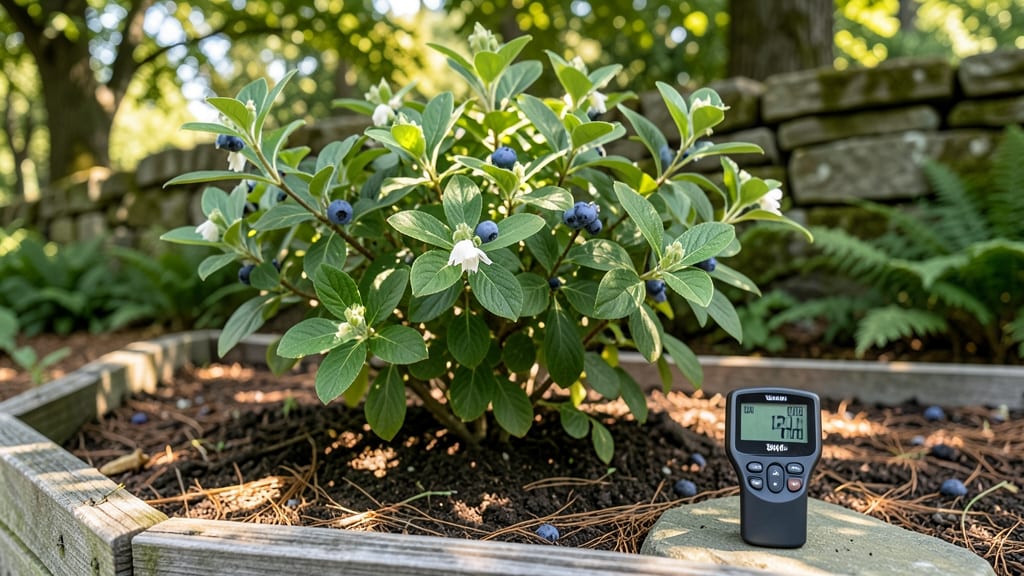
Before you plant, ask do raspberries and blueberry plants like shade or sun—they crave at least 6 to 8 hours of direct light daily, or your sweet harvest may turn disappointingly bitter.
Picture this: your bushes are planted in the perfect spot, but the berries stay small, the flavor is weak, and the plants look half-hearted. That’s often a sunlight problem, not a soil or water issue. The good news? Fixing it is easier than you think.
Sunlight isn’t just about where you plant Ask—it’s about how the hours of light change with the seasons, your local climate, and even the variety you’ve chosen.
A raspberry bush in the Pacific Northwest might handle a little afternoon shade, while a blueberry in the Deep South could scorch without afternoon relief.
In this guide, I’ll break down exactly how much sun your berries need, how to spot sunlight stress, and the simple tweaks that can turn a struggling patch into a harvest goldmine—no guesswork required.
 Best Window Placement
Raspberry plants: sunlight requirements for optimal growth and fruit production
Raspberry plants thrive in full sun, but their exact sunlight needs vary by variety. Most summer-bearing and everbearing types demand 6 to 8 hours of direct sunlight daily for peak fruit production and strong canes.
Without enough light, you’ll see smaller berries, fewer yields, and weaker plant structure—all critical factors for a bountiful harvest.
I’ve found that summer-bearing raspberries (like 'Boyne' or 'Heritage') are the most sun-hungry, while everbearing varieties (such as 'Caroline' or 'Anne') tolerate slightly less light—though never less than 5 hours/day.
The difference comes down to how they allocate energy: summer-bearing types focus all their resources on one fruiting cycle, while everbearing types split energy between two harvests.
Partial shade—like 3 to 5 hours of sun—can work in hot climates (e.g., Zone 9+) to prevent leaf scorch, but expect 20-30% smaller berries and more disease pressure. Shade also delays ripening, which is a big deal if you’re counting on a timely harvest.
For example, my 'Dorman Red' everbearing patch in partial shade ripened a full 2 weeks later than my full-sun plants.
Now, let’s break down the sunlight needs side by side for clarity:
One of the biggest sunlight mistakes I see is planting raspberries under tree canopies or near tall structures. Even if they survive, the berry quality suffers—think pale, mealy fruit instead of the vibrant, juicy berries you crave.
For example, my neighbor’s 'Nova' raspberries under a maple tree produced only 1/3 the yield of my full-sun patch, despite identical soil and watering.
If your garden has limited sunlight, focus on everbearing varieties like 'Fall Red' or 'Chilcotin,' which tolerate 4–5 hours of sun better than summer-bearing types. You can also prune nearby trees or install a reflective surface (like white gravel) to bounce extra light onto the plants.
I’ve had success with south-facing trellises that maximize light exposure even in shady spots.
Watch for leaf color changes to diagnose sunlight issues. Yellowing leaves signal too much shade, while brown, crispy edges mean sunburn from excessive heat. In my garden, I’ve used drip irrigation during heatwaves to prevent stress, which also helps raspberries handle partial afternoon shade better.
Mulching with straw or wood chips keeps roots cool and retains moisture, which is especially helpful in low-light conditions.
For container-grown raspberries, place pots in the sunniest spot you have, even if it’s just a balcony with 4–5 hours of sun.
Everbearing types like 'Heritage' do surprisingly well in containers with morning sun and afternoon shade, though you’ll need to rotate the pot weekly to prevent lopsided growth. I’ve grown 'Caroline' raspberries in 5-gallon containers on a deck with 5 hours of sun and still gotten pint-sized harvests.
Pro tip: Monitor your raspberries’ growth patterns to fine-tune their sunlight. If canes grow weak and leggy, they need more sun. If fruit ripens unevenly, they might be getting too much shade.
Adjust gradually—moving plants 1–2 feet closer to sun each week—until you hit the sweet spot for your climate. Patience pays off in bigger, sweeter berries and healthier plants.
Remember, sunlight isn’t just about quantity—it’s about quality. Direct morning sun is ideal, while hot afternoon sun can scorch leaves. In hot
Blueberry bushes: how much sun do they need for sweet, juicy berries?
Blueberry bushes thrive in sunlight, but the right amount directly impacts your harvest's sweetness and size. Too little sun leads to small, tart berries, while too much can stress your plants.
The ideal range is 6 to 8 hours of direct sunlight daily, but regional climate and soil pH play critical roles in fine-tuning this balance.
Sunlight isn't just about berry production—it also influences acidity levels. Blueberries need ample light to convert sugars into flavorful, juicy berries. Without enough sun, your bushes may produce fewer berries with higher acidity, making them less enjoyable.
Even coastal climates with mild sunlight require careful monitoring to avoid underperformance.
If your garden receives less than 6 hours of sun, consider supplementing with a reflective surface like white gravel or a mirror to bounce extra light onto your bushes.
For coastal gardens, where sunlight is softer, aim for the upper end of the range (7-8 hours) to compensate for lower intensity.
In inland climates with intense afternoon sun, provide afternoon shade during peak heat (1-4 PM) to prevent leaf scorch. This balance ensures your blueberries get enough light without overheating, especially for southern varieties like 'Southern Highbush' or 'Premier.'
Always pair proper sunlight with acidic soil (pH 4.5-5.5). Without the right pH, even full sun won't guarantee sweet berries. Test your soil annually and amend with sulfur or peat moss if needed. This combo of light and acidity is the secret to juicy, flavorful blueberries every season.
For shaded gardens, choose low-chill varieties like 'Top Hat' or 'Peach Sorbet,' which tolerate 4-6 hours of sun. Pair them with mulch to retain moisture and improve root health. With the right adjustments, you can still enjoy a bountiful harvest—just expect slightly smaller berries with milder flavor.