
Orchid Care
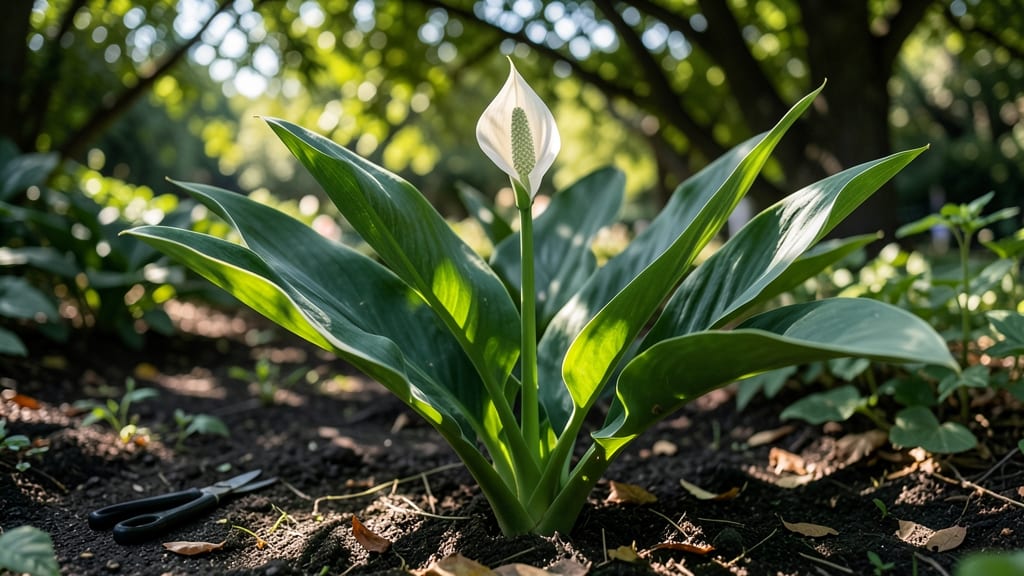
Calla lilies actually have a nuanced relationship with light that varies by species. Zantedeschia aethiopica, the classic white calla, handles brighter conditions better than others, but most varieties—like the popular Zantedeschia elliottiana—prefer dappled light to prevent leaf scorch. 🌿 The key is observing your plants: yellowing leaves signal too much sun, while sparse blooms often mean insufficient light.
I’ve found that using 30-50% shade cloth in peak afternoon hours works wonders for maintaining that perfect balance, especially in hotter climates.
What’s fascinating is how light affects their blooms—too little shade can lead to weak stems, while too much sun bleaches the vibrant colors. In my experience, calla lilies in USDA Zones 8-10 often need afternoon protection, while cooler northern regions can handle more direct morning light.
The trick is monitoring leaf color and adjusting gradually rather than making drastic changes.
💡 In This Article
- How Light Affects Calla Lily Varieties and Flowering
- Creating the Ideal Growing Conditions for Calla Lilies
How light affects calla lily varieties and flowering
Calla lilies exhibit fascinating light preferences because each species evolved to thrive in different native habitats. Zantedeschia aethiopica, for example, originally grows in South Africa's damp, shaded riverbanks, which explains why it tolerates more sunlight than other varieties.
Its leaves contain higher levels of anthocyanins—pigments that protect against UV damage—giving it a natural advantage in brighter conditions. In contrast, Zantedeschia elliottiana, native to tropical forests, prefers dappled light that mimics the filtered sunlight beneath tall trees.
The science behind this lies in photosynthesis trade-offs. Calla lilies produce chlorophyll a and b like other plants, but their efficiency drops under intense light.
When exposed to direct midday sun (1000-1200 foot-candles), the leaves' waxy cuticle can't dissipate enough heat, causing leaf scorch—those crispy brown edges you might notice. Interestingly, the spathe's vibrant colors (like deep purple or black) actually fade under excessive sun, as the pigments degrade faster.
I've observed that calla lilies in full sun conditions produce blooms with 20-30% less pigment intensity compared to those in partial shade.
Flowering is directly tied to light exposure because calla lilies are short-day plants—they need a critical period of darkness (typically 12 hours of night) to trigger bloom formation.
Too much shade (less than 4 hours of direct light daily) signals the plant to focus on leaf growth rather than flowering, resulting in lush foliage but few blooms.
The sweet spot is 4-6 hours of morning sun combined with afternoon shade, which provides enough energy for both growth and flowering without stressing the plant.
Leaf color changes are your first warning signs. Yellowing between veins indicates too much sun, while pale, weak leaves suggest insufficient light. The Zantedeschia rehmannii variety, with its striking black spathe, is particularly sensitive—it often develops white speckling on leaves when exposed to harsh afternoon rays.
What's counterintuitive is that cooler climates (USDA Zones 3-7) can actually handle more direct light because the sun's angle is less intense, while hot southern regions (Zones 8-10) require more afternoon protection.
Here's what happens at the cellular level: Excessive sunlight triggers reactive oxygen species (ROS) in calla lily cells, which damage membranes and chlorophyll. The plant responds by producing more carotenoids (yellow pigments) as a protective measure—this is why you might see yellowing before visible browning.
Meanwhile, insufficient light reduces photosystem II activity, slowing down the plant's ability to convert light into energy for blooms. The result? Fewer, smaller flowers with less vibrant colors.
For gardeners, this means observing leaf color weekly is crucial. Start with 30% shade cloth in peak afternoon hours if you notice early signs of stress, then adjust based on your specific variety.
I've found that east-facing windows or patios provide ideal morning light, while west-facing areas often need additional shade protection. The goal is to mimic the dappled forest light** these tropical plants evolved to love.