
Blooming
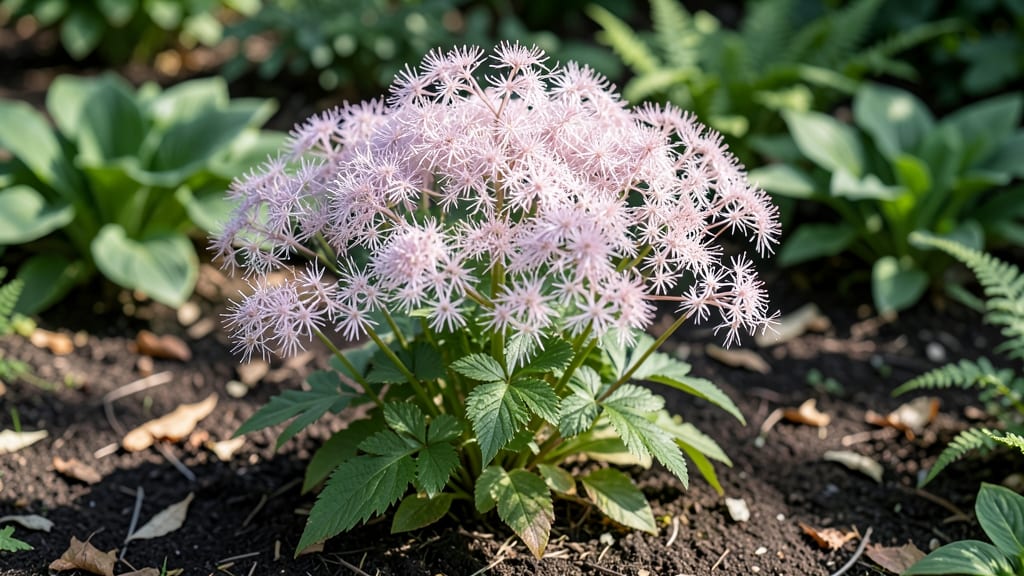
Your astilbe blooms in late spring to early summer 🌸, transforming your garden into a soft, feathery cloud of color—but only if you know the right timing for your variety and zone.
If you’ve ever planted astilbe with high hopes, only to watch your neighbors’ gardens burst into plumes weeks earlier, you’re not alone. The difference often comes down to the specific cultivar and where you live.
Some varieties like 'Deutschland' bloom as early as June, while others like 'Fanal' wait until July or even August.
Climate plays a bigger role than most gardeners realize. In cooler zones like 6a, astilbe often blooms earlier because the growing season starts sooner, while warmer regions may see delayed or shorter bloom periods. Even the amount of shade can shift when those iconic plumes appear.
Below, I’ll break down the exact bloom windows for popular astilbe varieties, how your hardiness zone affects timing, and the simple tricks to stretch that bloom season from weeks into months—so you can enjoy those dreamy plumes all summer long.
Astilbe bloom time by variety: exact months for each cultivar
Astilbe varieties bloom at different times, giving you a season-long display of feathery plumes. Early bloomers like 'Deutschland' start in late May, while late varieties like 'Glut' extend into September. Understanding these timelines helps you plan garden succession and color coordination for a vibrant landscape.
Most astilbe varieties thrive in USDA Zones 4-8, but bloom times shift slightly based on your local climate. For example, 'Fanal' blooms 2-3 weeks earlier in Zone 5 than in Zone 8.
I’ll break down the exact monthly bloom windows for popular cultivars, so you can anticipate peak color and extend the season with proper care.
Visual cues help identify bloom times: tall plumes (like 'Peach Blossom') often bloom later, while compact varieties (like 'Bridal Veil') start earlier. Pairing early and late bloomers ensures continuous color from June through September.
If you're planting multiple astilbe varieties, aim for a 3-4 week spread in bloom times. For example, pair 'Deutschland' (late May) with 'Glut' (August) to create a continuous color show. This strategy works especially well in shade gardens where other plants may not thrive.
To identify early bloomers, look for varieties with shorter stems and darker foliage, like 'Deutschland'. Late bloomers often have taller stems and lighter foliage, such as 'Peach Blossom'. I recommend planting them in groups of 3-5 for maximum impact.
For Zone 5 gardeners, expect blooms to start 2-3 weeks earlier than in Zone 8. In cooler climates, 'Fanal' may bloom as early as late May, while in warmer zones, it might not appear until June. Adjust your planting schedule accordingly to avoid missed blooms.
Deadheading spent blooms every 2 weeks encourages reblooming in varieties like
How USDA hardiness zones affect astilbe bloom time
Your USDA hardiness zone plays a surprisingly big role in when your astilbe blooms. In Zone 5, where winters are colder, astilbe often bursts into color as early as late May—sometimes even mid-May for early varieties.
But in Zone 8, where winters are milder, those same plants might not bloom until July or August. This shift happens because colder zones force astilbe to break dormancy earlier in response to warming soil and air.
The key difference lies in first frost timing and growing degree days. In colder zones, astilbe receives a longer chill period during winter, which actually triggers earlier blooming. Meanwhile, warmer zones delay flowering until the plant has accumulated enough heat to push growth.
This zone-based timing explains why gardeners in Zone 6 might see blooms in June, while those in Zone 7 wait until late June or July.
Astilbe Bloom Timing by Zone
To adjust planting times for your zone, aim to plant astilbe 4-6 weeks earlier in colder zones (Zone 4-5) than in warmer ones (Zone 7-8).
For example, in Zone 5, plant in early spring (April) when soil reaches 50°F, while in Zone 8, wait until late spring (May) when nighttime temps stay above 55°F. This timing ensures your plants establish roots before summer heat arrives.
First frost risks also dictate bloom windows. In Zone 5, where frost can return as late as October, astilbe blooms must finish by mid-September to avoid damage.
Meanwhile, in Zone 8, where frost rarely arrives before November, you can enjoy blooms well into late September or October. This explains why late-season varieties like 'Deutschland' thrive in warmer zones but may struggle in colder ones.
If you live in Zone 6 or 7, consider planting a mix of early and late varieties to stretch your bloom season. For instance, pair 'Fanal' (early bloomer) with 'Bridal Veil' (late bloomer) to ensure color from June through August.
In Zone 8, focus on heat-tolerant varieties like 'Amethyst Falls' to prevent bud drop during summer heat.
Remember, astilbe's bloom time flexibility makes it a fantastic plant for layered garden designs. By understanding your zone's unique timing, you can create a sequential bloom display that keeps your garden vibrant from early summer to fall. 🌿