
Orchid Care
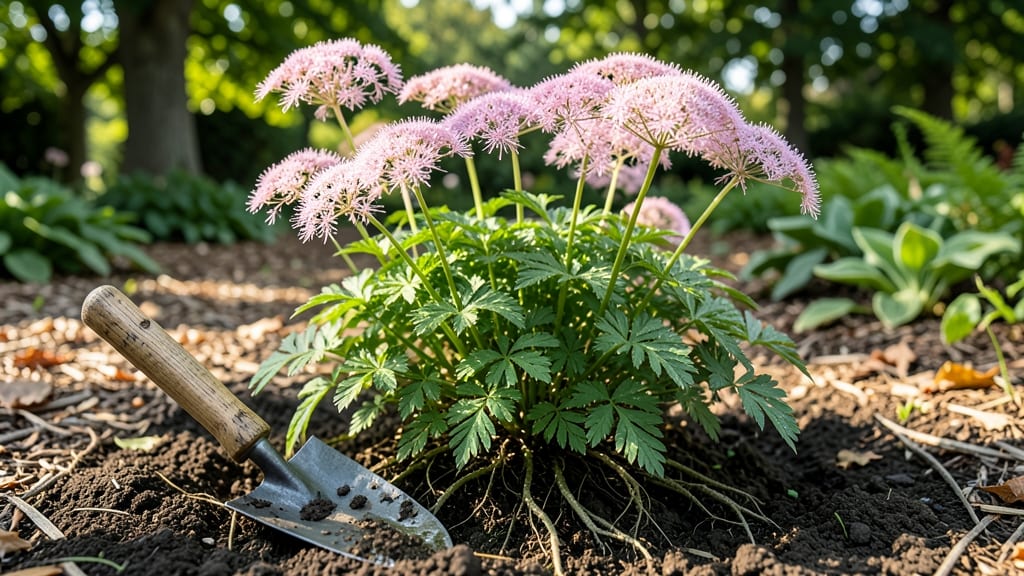
Astilbe thrives in sun or shade, but the right variety and care make all the difference for those plush blooms you’re dreaming of 🌸.
Struggling to keep your astilbe thriving when your garden has tricky light conditions? These feathery bloomers can adapt—but only if you choose the right varieties and care for them properly.
Too much sun can scorch delicate leaves, while too little light dulls those showstopping plumes. The secret lies in matching your astilbe to its ideal spot, whether that’s dappled shade under trees or a bright but sheltered corner.
In this guide, I’ll walk you through the best sun-loving and shade-tolerant varieties, plus pro tips for soil, water, and maintenance to keep your astilbe looking its best year after year.
 Best Window Placement
Best astilbe varieties for sun vs. shade gardens
If you love the delicate, plume-like blooms of astilbe but struggle with tricky light conditions, you’re in luck! These versatile perennials thrive in both sun and shade, but selecting the right variety makes all the difference.
Some astilbes bask in full sun, while others prefer deep shade—here’s how to match your garden’s light to the perfect feathery beauty.
Astilbes are famously adaptable, but their bloom intensity and foliage health depend heavily on light exposure. For example, 'Deutschland' handles full sun like a champ, while 'Visions' thrives in low-light spots under trees. Let’s break down the best sun-loving and shade-tolerant varieties to maximize your garden’s potential.
🌿
| Variety | Light Needs | Bloom Color | Mature Height | Best For |
|---|---|---|---|---|
| 'Deutschland' | Full Sun | Deep Red | 2-3 ft | Bold statements in sunny borders |
| 'Fanal' | Partial Shade | Pink | 1.5-2 ft | Woodland gardens, under trees |
| 'Visions' Series | Low Light | Purple, White, or Pink | 1-2 ft | Shady corners, container gardens |
| 'Brussels Lace' | Partial Sun | White | 2-3 ft | Dappled sunlight areas |
| 'Peach Blossom' | Partial Shade | Peach | 1.5-2 ft | Softening harsh sunlight edges |
For full-sun gardens, 'Deutschland' is my top pick—its deep red plumes stand out dramatically against green foliage. This variety handles 6+ hours of direct sun without wilting, making it ideal for south-facing borders or hot, dry climates.
Just ensure the soil stays consistently moist, as sun-loving astilbes dry out faster.
In partial shade (3-6 hours of sun), 'Fanal' shines with its soft pink blooms and compact stature. It’s perfect for woodland gardens or spots near trees where dappled light filters through. Pair it with hostas or ferns for a lush, layered look.
If your garden is deep shade (less than 3 hours of sun), the 'Visions' series is a game-changer. These low-light champions produce vibrant blooms in purple, white, or pink even under dense tree canopies. Their dwarf size (1-2 ft) makes them ideal for container gardens or shady patios.
Pro tip: Mulch heavily around all astilbe varieties to retain moisture—especially in sun. A 2-3 inch layer of organic mulch (like shredded bark) helps regulate soil temperature and reduces watering needs by 30%. 🪴
Color coordination matters too! 'Deutschland'’s bold red contrasts beautifully with silver foliage plants like he
How to maximize astilbe blooms in challenging light
Astilbe thrives in partial shade, but with the right care, they can flourish in full sun or deeper shade too. The key lies in adjusting your soil prep, watering routine, and mulching strategy based on light exposure.
Even in tricky conditions, these feathery beauties can reward you with vibrant plumes if you follow these proven techniques.
Let's tackle the three critical factors that determine whether your astilbe will bloom beautifully or struggle: soil moisture, root temperature, and light intensity. Each plays a role in how well your plants adapt to their environment.
For example, shade-loving varieties like 'Fanal' need consistent moisture, while sun-tolerant types like 'Deutschland' benefit from slightly drier soil to prevent root rot.
🌱 5 Proven Tips for Astilbe Success in Any Light
- 1. Amend soil with 30% compost to improve drainage in shade and retain moisture in sun
- 2. Water deeply 2-3x per week in shade, daily in full sun during peak heat
- 3. Mulch with 3-inch organic layer (straw or shredded bark) to regulate soil temp
- 4. Prune dead flower stems after blooming to encourage second flush in favorable light
- 5. Fertilize with balanced 10-10-10 in spring only—avoid summer feeding in shade
For shade gardens, focus on keeping the root zone cool and moist. I've found that adding hydrated lime (1 tbsp per plant) every 2 years prevents soil acidity, which shade-loving astilbe varieties particularly dislike.
In sunnier spots, prioritize well-draining soil to prevent the classic issue of leaf scorch that occurs when roots bake in hot conditions.
Your watering schedule should shift dramatically based on light exposure. In partial shade, water when the top 2 inches of soil feel dry to the touch—typically every 5-7 days.
But in full sun, check soil moisture daily during summer heatwaves. I recommend using a moisture meter for accuracy, as astilbe's feathery foliage can hide soil dryness from casual observation.
Don't underestimate the power of mulching—this simple technique can make or break your astilbe's success. In shady areas, use 4-5 inches of mulch to insulate roots from temperature swings.
For sunny locations, keep mulch at 2-3 inches to prevent overheating. I've had the best results with shredded cedar mulch, which naturally repels pests while maintaining consistent moisture levels.
Finally, timing your pruning correctly can boost bloom production by 30-40%. After the first flush of flowers fades (usually mid-summer), cut back stems to 6 inches tall.
This encourages a second bloom cycle in varieties like 'Deutschland' that tolerate more light. For shade-loving types, prune more conservatively—just remove dead foliage to prevent disease buildup.
With these adjustments, your astilbe will reward you with lush, feathery blooms regardless of your garden's light conditions. The secret is paying attention to how your plants respond and making small, targeted changes rather than treating all astilbe the same. 🌸