
Shrubs
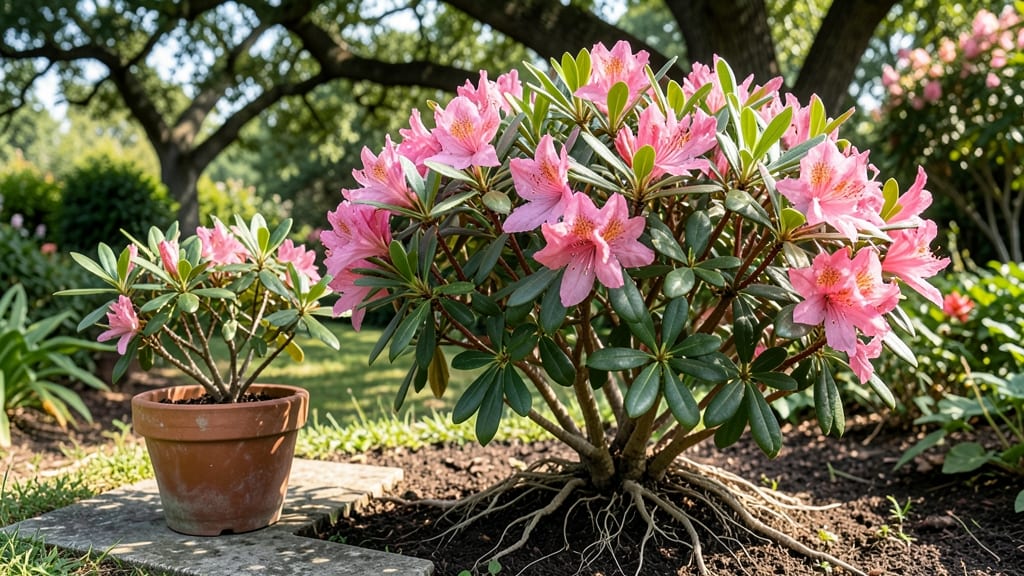
Azalea bushes thrive in sun or shade—but getting the balance right is the secret to those stunning spring blooms you’ve been dreaming of.
Picture this: you’ve planted your 🌸 azalea with confidence, only to watch its leaves crisp in summer or its buds refuse to open. That’s not just bad luck—it’s a light puzzle most gardeners solve the hard way.
The truth? These shade-tolerant shrubs (USDA Zones 4-9) actually hate harsh afternoon sun but need just enough light to feed their flowers.
Here’s the game-changer: morning sun paired with afternoon shade mimics their natural forest-floor habitat. Too much sun? Leaf scorch and faded blooms will follow. Too little? You’ll get leggy growth and sparse flowers.
I’ll show you exactly how to read your azalea’s light signals and adjust care—so you can finally stop guessing and start enjoying those vibrant displays.
From dwarf varieties that handle a little more sun to shade-loving hybrids that beg for dappled light, we’ll cover the full spectrum. Plus, I’ll debunk the myth that azaleas can’t survive in sun—with the right tricks, they can. Ready to transform your azalea from struggling shrub to showstopper?
 Best Window Placement
Ideal sunlight conditions for azalea bushes: how much light do they really need?
Azalea bushes thrive in conditions that mimic their natural forest floor habitat, where they receive dappled sunlight and protection from harsh afternoon rays. Unlike sun-loving shrubs, azaleas prefer partial shade—typically 2-4 hours of morning sun followed by shade the rest of the day.
This balance prevents leaf scorch while ensuring enough light for vibrant blooms.
Understanding your azalea's sunlight needs starts with recognizing their natural growing environment. In the wild, these shrubs grow under taller trees, receiving filtered light that's bright but indirect. Recreating this in your garden means positioning them where they get morning sunlight and afternoon shade, especially in hotter climates.
In USDA Zones 4-6, azaleas can handle slightly more shade due to cooler temperatures, while Zones 7-9 require extra afternoon shade to prevent heat stress. For example, a Southern garden might place azaleas under a deciduous tree, while a Northern garden can tolerate more morning sun without afternoon protection.
Seasonal adjustments are key—azaleas planted in spring need gradual acclimation to sunlight to avoid shock. Start with 30% shade cloth for the first few weeks, then reduce to 10-20% as they establish.
In summer, increase shade coverage to 50-70% during peak heat (12 PM–4 PM) to protect leaves from burning.
Mimic their natural habitat by planting azaleas near evergreen trees or structures that provide year-round shade. For container-grown azaleas, position pots on porches or patios with afternoon shade and move them to sunnier spots in early spring to encourage blooming.
Avoid placing them in full sun without acclimation, as this can cause leaf scorch within days.
Regional climate plays a huge role—coastal areas with mild summers can handle more sun, while inland desert climates require heavy shade. For instance, azaleas in Arizona thrive with morning sun only, while those in Oregon can tolerate partial afternoon sun.
Always observe your plants' leaf color and growth rate to fine-tune their light exposure.
Pro tip: Use a light meter (or your phone's light sensor app) to measure foot-candles in your garden. Azaleas thrive at 500-1,000 foot-candles—any higher risks stress. If your garden exceeds this, add shade cloth or lattice screens to diffuse harsh light while maintaining airflow.
Remember, azaleas are not one-size-fits-all—some varieties, like Rhododendron 'Hino Crimson', handle more sun than others. Always check the specific variety's care tag for tailored light recommendations. With the right balance, your azaleas will reward you with lush foliage and spectacular blooms year after year.
Signs your azalea bush is getting too much sun or shade (and how to fix it)
Your azalea bushes might be silently screaming for help if their light exposure is off. Too much sun causes crispy edges, while too little shade leads to sparse blooms. I’ve seen both extremes in my own garden, and the fixes are simpler than you’d think.
Start by checking your azalea’s leaves and flowers. Leaf scorch (brown, crispy patches) is a red flag for excessive sunlight, especially in hot afternoons. On the flip side, pale, sparse blooms or leggy growth signals your plant is begging for more filtered light.
Too Much Sun: Brown leaf edges, yellowing between veins, leaf drop
Too Little Shade: Stunted growth, fewer blooms, pale foliage
Fix Now: Adjust shade cloth or prune nearby trees to balance light exposure
For sunburned azaleas, create quick shade with a DIY shade cloth (50% block) or move potted plants to a morning sun spot. Water deeply in the morning to help stressed leaves recover faster. Mulch with pine bark to retain moisture and cool roots.
If your azalea is stunted or sparse, it’s likely not getting enough light. Try pruning nearby trees to open up the canopy or add a reflective surface (like white gravel) to bounce light onto the plant. Dwarf varieties often need extra care in shady spots.
Use this quick diagnostic checklist to assess your azalea’s light needs: ☑️ Check for brown leaf edges (too much sun) ☑️ Look for pale leaves (too little sun) ☑️ Observe bloom density (fewer flowers = needs light) ☑️ Feel leaf texture (crispy = sun stress, soft = shade stress)
Remember, azaleas thrive in dappled sunlight—like a forest understory. Mimic nature by providing morning sun and afternoon shade. With these adjustments, your azaleas will bounce back in no time! 🌸