
Container Gardens
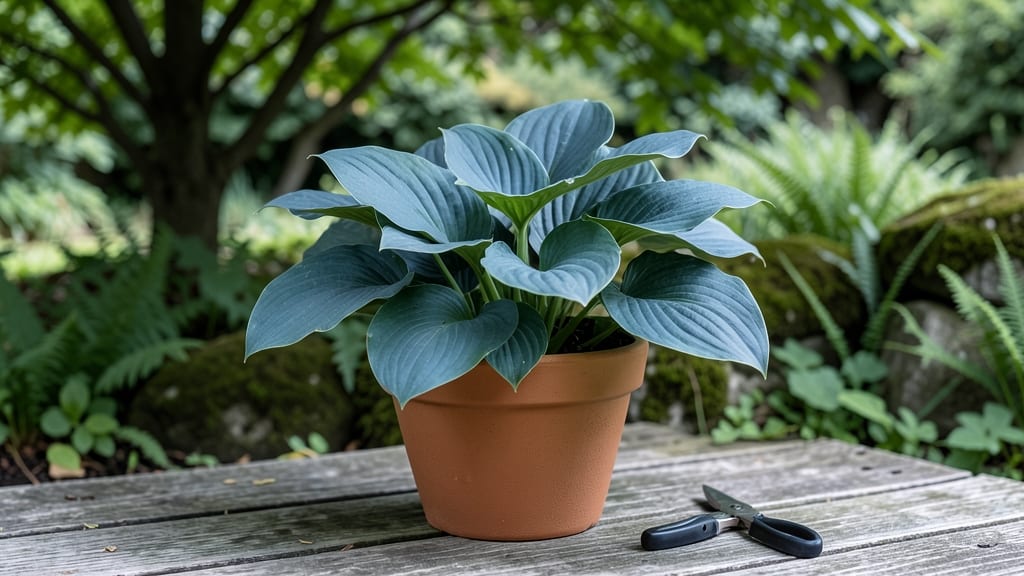
Shade-loving potted plants transform dim corners into lush green retreats without demanding full sun. 🌿 I’ve filled my north-facing windowsill with varieties that thrive where others wilt—like the velvety calatheas and the air-purifying peace lilies that bounce back from neglect.
The secret isn’t complicated: match plants to light levels (low, medium, or bright indirect) and adjust watering to avoid soggy roots.
Fast growers like pothos and cast iron plants will fill a 6-inch pot in months, while slow growers like snake plants and maidenhair ferns take their time but reward you with year-round structure.
My cast iron plant, for example, survived a summer vacation by barely wilting—it’s the ultimate low-maintenance shade champion. Soil mix matters too: opt for well-draining potting soil with perlite to prevent root rot in consistently damp spots.
You’ll end up with a thriving collection that cleans the air, adds texture, and requires less fuss than sun-lovers. The peace lily’s glossy leaves and occasional white blooms brighten even the gloomiest rooms, while ferns add delicate fronds that feel like a mini rainforest.
Seasonal tweaks—like moving pots closer to windows in winter—keep them happy year-round without extra effort.
Perfect for apartments, offices, or shaded patios where sunlight is scarce. These plants prove you don’t need a sunbath to grow something stunning—just the right match for your light conditions. Let’s get those pots filled!
Why Shade Plants Struggle
Not all plants thrive in low-light conditions—and even shade-loving varieties can suffer when their needs aren’t met. Understanding the root causes behind their decline helps you create the perfect environment for potted plants that like shade.
Let’s break down the science behind why these plants might wilt, yellow, or fail to grow, even in dim corners.
Shade plants evolved to survive with minimal sunlight, but that doesn’t mean they don’t need any light. Most thrive in indirect or dappled light, not complete darkness. Here’s why light deprivation stunts growth:
- Chlorophyll deficiency: Photosynthesis requires light to convert CO₂ and water into glucose. Without enough photons, chlorophyll production slows, leading to pale, weak leaves.
- Energy starvation: Plants store energy as starches. In low light, they deplete reserves faster than they can replenish them, causing stunted stems and small leaves.
- Leggy growth: Stretched, spindly stems (etiolation) occur when plants stretch toward distant light sources, weakening their structure.
Actionable fix: Rotate pots every few weeks to ensure even light exposure. Place them near east-facing windows (gentle morning sun) or under sheer curtains to filter harsh rays.
Shade plants often get overwatered because their slower growth tricks gardeners into thinking they need more moisture. But soggy soil is a silent killer. Here’s why:
- Root rot: In low light, roots grow slower and are more susceptible to fungal infections like Phytophthora or Pythium, which thrive in waterlogged conditions.
- Oxygen deprivation: Water fills soil pores, suffocating roots. Without oxygen, roots can’t absorb nutrients or transport water efficiently.
- Nutrient leaching: Excess water washes away soluble minerals (like nitrogen and potassium) before roots can use them.
Actionable fix:
- Use well-draining soil mixes with perlite, orchid bark, or coco coir.
- Check soil moisture with your finger—water only when the top 1-2 inches are dry.
- Opt for pots with drainage holes and elevate them on saucers.
Shade plants often originate from understory forests or tropical climates, where temperature and humidity are stable. Disrupt these conditions, and problems arise:
- Cold drafts: Many shade plants (e.g., ferns, calatheas) wilt if exposed to temps below 50°F (10°C). Drafts from windows or AC vents cause shock.
- Low humidity: Indoor air is often dry, especially in winter. Shade plants like 70%+ humidity; below 40% causes leaf edges to brown.
- Heat stress: Even indirect sunlight can overheat pots, leading to leaf scorch (brown, crispy patches).
Actionable fix:
- Group pots together to create a microclimate with higher humidity.
- Mist leaves daily or use a pebble tray with water.
- Avoid placing pots near heat vents or direct sun.
Shade plants grow slower, so they don’t demand as many nutrients—but that doesn’t mean they don’t need them. Common issues include:
- Nitrogen deficiency: Yellowing lower leaves signal a lack of nitrogen, essential for leafy growth. Slow growth means plants can’t uptake enough from the soil.
- Micronutrient starvation: Iron, magnesium, and manganese deficiencies (common in alkaline soils) cause chlorosis (yellowing between leaf veins).
- Over-fertilizing: Too many salts from fertilizers burn roots, especially in low-light conditions where plants can’t process excess nutrients.
Actionable fix:
- Use a balanced, slow-release fertilizer (e.g., 10-10-10) every 6-8 weeks.
- For chlorosis, amend soil with chelated iron or use acidic potting mix (pH 5.5–6.5).
- Flush soil annually with water to remove salt buildup.
Pro tip: 💡 Monitor your plants’ cues—drooping leaves often mean water issues, while yellowing edges point to humidity or nutrient problems. Adjust care based on the symptom, not just the plant type!
Quick fixes for shady plant struggles
If your shade-loving potted plants are looking a little worse for wear, don’t worry—most issues have simple, practical solutions. Below, we’ll tackle the most common problems with targeted fixes, including prevention tips to keep your greenery thriving in low-light spaces.
Think of this as your go-to troubleshooting guide for dim-corner gardening!
Even shade plants need some light to photosynthesize properly. If leaves turn yellow, lose color, or stretch unnaturally (a condition called etiolation), your plant might be begging for brighter conditions—just not direct sun.
🔥 How to Fix It
- 📍 Relocate the plant to a spot with indirect, filtered light (e.g., near a sheer curtain or under a sheer shade cloth). East-facing windows or a few feet from a south-facing window often work well.
- 🌿 Rotate the pot weekly to ensure even light exposure. Plants lean toward light sources, so a little spin keeps them balanced.
- 💡 Supplement with grow lights (12–14 hours/day) if natural light is scarce. LED grow bulbs are energy-efficient and gentle on leaves.
💡 Prevention Tips
- Know your plant’s light needs: Ferns, peace lilies, and ZZ plants tolerate lower light than snake plants or pothos (which need brighter indirect light).
- Avoid sudden moves: Acclimate plants gradually to brighter spots over 1–2 weeks to prevent shock.
Brown, dry leaf edges are often a sign of low humidity or overwatering. Shade plants, especially tropical varieties, thrive in moist environments. If the soil feels soggy but leaves are crispy, you’re likely drowning the roots.
🍳 How to Fix It
- 💧 Adjust your watering routine: Let the top 1–2 inches of soil dry out between waterings. Stick your finger in the soil—if it’s damp, wait. Use a moisture meter for tricky cases.
- 🌧️ Boost humidity with these tricks:
- Place the pot on a pebble tray filled with water (ensure the pot isn’t sitting in water).
- Mist leaves 2–3 times a week (avoid misting ferns or mosses—they prefer ambient humidity).
- Group plants together to create a microclimate.
- 🚿 Trim damaged leaves with clean scissors to redirect energy to healthy growth.
🔥 Prevention Tips
- Use well-draining soil: Mix in perlite or orchid bark to improve aeration.
- Choose the right pot: Terracotta pots wick away moisture faster than plastic, which can lead to root rot in overwatered plants.
Stressed shade plants (from poor light, overwatering, or nutrient deficiency) are prime targets for pests like spider mites, aphids, or mealybugs. These critters thrive in dry, low-light conditions where plants can’t bounce back quickly.
👨🍳 How to Treat It
- 🔍 Identify the pest:
- Spider mites: Tiny webs on undersides of leaves.
- Aphids: Sticky residue (honeydew) and clustered bugs.
- Mealybugs: Cottony white patches.
- 💦 Blast them off with a strong stream of water or wipe leaves with a damp cloth and mild soap (1 tsp dish soap per quart of water).
- 🌿 Apply neem oil (1 tsp neem oil + 1 quart water + drop of dish soap) as a natural pesticide. Spray every 5–7 days until pests vanish.
- 🌱 Isolate the plant until pests are gone to prevent spreading.
✨ Prevention Tips
- Inspect new plants: Quarantine them for 2 weeks before introducing to your collection.
- Encourage beneficial insects: Ladybugs and lacewings love munching on pests—buy them online or attract them with companion plants like marigolds.
If your shade plant is growing slowly or looks root-bound (roots circling the pot), it’s time to give it a nutrient boost or a bigger home.
🔪 How to Fix It
- 🌱 Fertilize lightly:
- Use a balanced, water-soluble fertilizer (10-10-10) diluted to half-strength every 6–8 weeks in spring/summer.
- For tropical plants (like ferns or calatheas), opt for a low-nitrogen, high-potassium fertilizer to encourage lush foliage.
- 🏡 Repot if root-bound:
- Gently remove the plant and trim circling roots with sterilized scissors.
- Choose a pot 1–2 inches larger in diameter and use fresh, well-draining potting mix.
🎯 Prevention Tips
- Fertilize less in winter: Shade plants grow slowly in cooler months—cut back to once every 2–3 months.
- Check roots annually: If roots fill the pot in under a year, it’s time to upgrade!
Keep this handy to avoid future headaches:
| Issue | Quick Fix | Prevention |
|---|---|---|
| Pale/yellow leaves | Move to brighter indirect light | Rotate pot weekly; supplement with grow lights |
| Brown, crispy edges | Adjust watering + boost humidity | Use well-draining soil; mist regularly |
| Pests | Neem oil spray + isolate plant | Quarantine new plants; encourage ladybugs |
| Stunted growth | Fertilize + repot if needed | Fertilize seasonally; check roots yearly |
With these fixes, your shade-loving potted plants will bounce back in no time. Remember, patience and observation are key—shade plants grow slower but reward you with lush, drama-free greenery. Happy gardening! 🌿✨
Frequently asked questions
What's the best soil mix for shade-loving potted plants?
Use a lightweight, well-draining mix with 50% peat moss or coco coir, 30% perlite or pumice, and 20% compost or worm castings. This prevents compaction while retaining enough moisture for roots. For tropical varieties like calatheas, add a handful of orchid bark to improve aeration.
How do I tell if my shade plant needs more light?
Watch for yellowing leaves, stretched stems (etiolation), or small, sparse foliage. Move it to a brighter spot with indirect light—like 2-3 feet from an east-facing window—and rotate the pot weekly for even growth. If leaves still look weak after 2 weeks, try a grow light for 12 hours daily.
Can I keep shade plants outdoors in winter?
Most shade plants tolerate 50-60°F (10-15°C) temps, but protect them from cold drafts, wind, and frost. Move pots to a covered porch or garage if night temps drop below 45°F (7°C). Group plants together to create warmth, and reduce watering since growth slows in winter. Tropical varieties like ferns should stay indoors.
Why are my shade plant's leaves turning brown at the edges?
This usually means low humidity or overwatering. Try these fixes:
- Place the pot on a pebble tray with water (keep pot above water level)
- Mist leaves 2-3 times weekly (except for ferns—they prefer ambient humidity)
- Check soil moisture—water only when the top 1-2 inches are dry
What are the fastest-growing shade plants for quick greenery?
For rapid results, try these fast growers:
- Pothos (trailing vines fill pots in 3-4 months)
- Cast iron plant (tolerates neglect and grows 6-12 inches yearly)
- Philodendron (heart-shaped leaves appear every 4-6 weeks)