
Plants
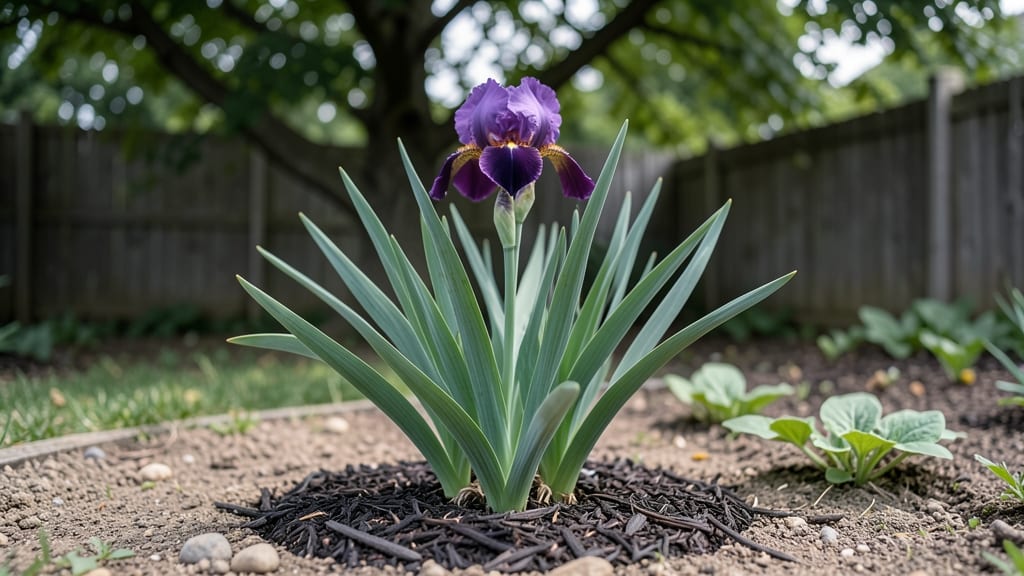
Do irises like shade—or do they actually need the opposite to burst into their signature vibrant blooms?
Struggling with irises that produce weak stems and dull blooms? The answer likely lies in their light exposure—and many gardeners get it wrong by assuming shade is ideal.
Too much shade weakens stems, reduces bloom size, and even attracts pests like slugs, while too little sunlight can lead to leggy growth and fewer flowers. The key is finding that sweet spot where they get enough light without scorching in the hottest afternoon sun.
In this guide, I’ll break down exactly how much sun irises need, which varieties tolerate partial shade better, and how to adjust their environment for healthier growth—even in shadier spots.
 Best Window Placement
How much sun irises need for strong growth and vibrant blooms
Irises are often misunderstood as shade-loving plants, but in reality, they thrive best with full sun exposure. While they can tolerate some shade, too little light leads to weak stems, fewer blooms, and even pest problems.
Most iris varieties need 6 to 8 hours of direct sunlight daily to produce their signature vibrant blooms and sturdy foliage.
When grown in low-light conditions, irises become leggy and floppy, with blooms that fade quickly. Their leaves may also turn yellow or develop fungal spots due to poor air circulation—a common issue in shady spots. Understanding your iris's light needs is the first step to preventing these problems.
Regional sunlight recommendations vary slightly. In cooler climates like USDA Zones 3-5, irises can handle morning sun with afternoon shade to prevent heat stress. However, in warmer zones (6-9), they need full sun protection during peak afternoon hours to avoid wilting.
Here’s a quick breakdown of how sunlight affects irises:
| Sunlight Requirement | Ideal Hours/Day | Effects of Too Little Sun | Best Varieties for Partial Shade |
|---|---|---|---|
| Full Sun | 6-8 hours | Weak stems, pale blooms, fewer flowers | Bearded Iris, Siberian Iris |
| Partial Sun | 4-6 hours | Leggy growth, smaller blooms, leaf yellowing | Japanese Iris, Louisiana Iris |
| Deep Shade | <2 hours | No blooms, fungal issues, weak roots | Avoid planting here |
The Bearded Iris, the most popular variety, demands full sun to showcase its dramatic, ruffled petals. Even Siberian Irises, which tolerate partial shade better than others, will produce larger, brighter blooms with more sunlight.
If your garden lacks full sun, consider reflective surfaces like light-colored walls or gravel to mimic sunlight.
In urban gardens with limited space, place irises near east-facing windows or under dappled shade from trees. However, avoid dense shade from evergreens, which blocks too much light and creates humid conditions that invite thrips and iris borers. These pests thrive in weak, shaded plants.
For newly planted irises, gradual exposure to sunlight is key. Start with morning sun only for the first few weeks, then slowly increase exposure. This helps harden their leaves and stems, preventing sunburn.
Mulch around the base with gravel or coarse sand to improve drainage and reflect extra light upward.
If you’re in a hot, dry climate, provide afternoon shade during peak summer months to prevent leaf scorch. Use lightweight shade cloth (30-50%) or plant irises where they’ll receive morning sun and afternoon shade from nearby structures. This balance keeps blooms vibrant while protecting foliage.
Remember, healthy irises = happy blooms. With the right sunlight, your irises will reward you with bold colors and sturdy stems that last all season. Start by assessing your garden’s light conditions and adjust plant placement accordingly—your irises will thank you!
Signs your irises are getting too much or too little shade
Irises thrive with 6-8 hours of sunlight daily, but too much or too little can drastically alter their growth. Too much shade weakens stems, while excessive sun can scorch leaves. Watch for these visual cues to diagnose light issues quickly.
If your irises produce fewer blooms or stems that flop instead of standing tall, they’re likely starved for light. Dull, pale leaves and stunted growth are classic signs of insufficient sunlight. These issues often appear in wooded areas or under dense tree canopies.
Too Much Shade
| Signs | Fixes |
|---|---|
| Weak, floppy stems | Move to morning sun or prune nearby trees. |
| Pale, sparse leaves | Use reflective mulch or relocate plants. |
| No or small blooms | Add a sunlight mirror or thin overgrowth. |
Too Much Sun
| Signs | Fixes |
|---|---|
| Yellow/brown leaf edges | Provide afternoon shade with lattice screens. |
| Wilted, crispy leaves | Install dappled shade cloth (30-50%). |
| Bleached or sunburned spots | Use lightweight shade sails in peak sun hours. |
For too much shade, relocate irises to a sunnier spot or pair them with taller plants to break up shade. Morning sun is ideal—it’s gentle but provides enough energy for blooms. If moving isn’t an option, reflective mulch can redirect light.
If your irises show sunburn symptoms, act fast. Dappled shade (like under lightweight fabric) mimics natural forest conditions. Water deeply in the morning to help leaves recover and reduce stress from heat.
Regularly check your irises’ leaf color and stem strength—these are the best indicators of light balance. Healthy irises have upright, vibrant leaves and strong, sturdy blooms. Adjust their environment seasonally for consistent results.
Remember, irises adapt slowly to light changes. Monitor them for 4-6 weeks after adjustments to see improvements in stem strength and bloom quality. Patience and observation are key!