
Light Requirements
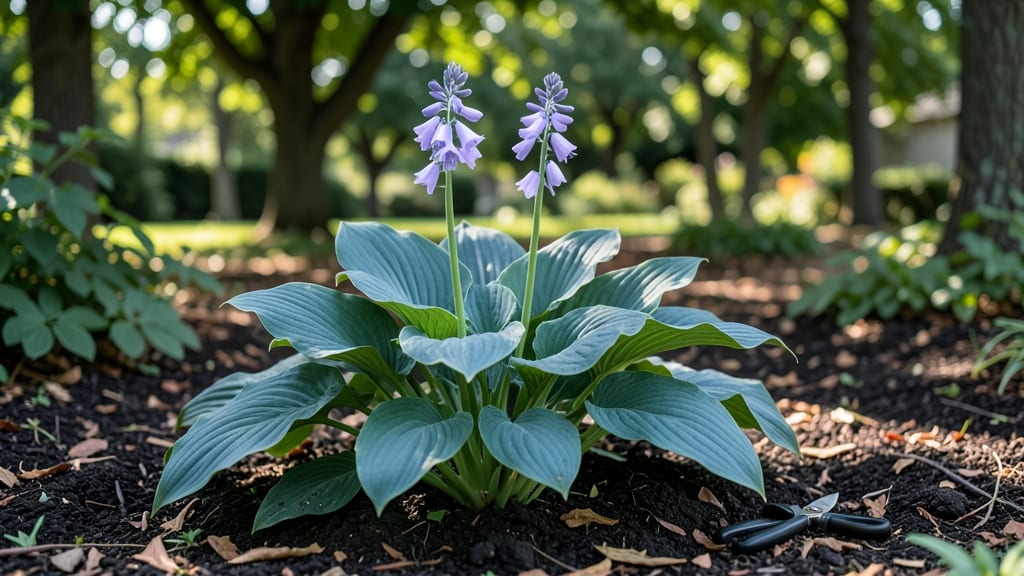
Total shade-loving plants turn dark corners into lush, vibrant spaces—no sunlight required. 🌿 I’ve filled my north-facing yard with ferns, hostas, and astilbes that thrive where nothing else will grow, and they’ve become the stars of my garden.
These deep-shadow survivors don’t just tolerate shade; they flourish in it, turning forgotten spots into thriving oases.
The secret lies in the right soil mix—rich, moist, and well-draining—and a few simple care tweaks. Most of these plants love consistent moisture but hate soggy roots, so amend heavy clay with compost and mulch heavily to retain humidity.
Watering once a week (or more in extreme heat) keeps them happy without the fuss of sun-loving plants.
By mid-summer, you’ll see ferns unfurling delicate fronds, hostas developing deep green foliage, and astilbes bursting with feathery plumes. These plants also play well with others: pair them with bleeding hearts, lungwort, or shade-tolerant bulbs like snowdrops for layered texture and year-round interest.
Works in USDA zones 3-9, making them perfect for patios, woodland gardens, or under large trees. The key is patience—these plants grow slowly but reward you with decades of lush, low-maintenance beauty. Let’s get your shady spots thriving!
📚 In This Guide
- What you need
- Instructions
- Tips and common mistakes
- Wrapping up and next steps
What you need
- ● Shade-tolerant plants: Choose from hostas, ferns, calatheas, pothos, snake plants, or cast iron plants (5–10 plants, depending on space).
- ● High-quality potting mix: 5–10 gallons of well-draining, organic-rich soil (e.g., peat-based or coco coir blends).
- ● Containers or garden beds: Containers: 5–10 pots (10–12" diameter) with drainage holes.
- ● Garden beds: Amended soil in low-light areas (add compost for nutrients).
- ● Watering can or hose: With a gentle spray nozzle for even moisture.
- ● Fertilizer: Slow-release balanced fertilizer (10-10-10) or organic options like worm castings.
- ● Mulch: 2–3 inches of shredded bark or pine needles to retain moisture.
- ● Grow lights: LED full-spectrum bulbs (for indoor setups with <50 ft-candles).
- ● Humidity tray: For tropical plants like calatheas (pebble tray + water).
- ● Plant labels: Waterproof tags to track varieties.
How to grow thriving plants in total shade
Here's the method I've used to keep lush plants happy in dark corners where sunlight barely reaches.
🌿 Step 1: Select the Right Shade-Tolerant Plants
Not all plants thrive in deep shade, so focus on proven varieties like ferns, hostas, astilbes, and impatiens. These plants have adapted to low light by developing broad leaves that maximize light absorption. I always check the plant tag for "partial to full shade" labels before buying—this saves time and frustration.
For a 4-plant arrangement, I recommend one focal plant like a hosta (for texture), surrounded by ferns (for delicate foliage), astilbes (for airy plumes), and impatiens (for vibrant color). This mix creates visual interest while ensuring each plant gets the light it needs in different ways. Avoid sun-loving plants like succulents or lavender—they'll yellow and wilt within weeks.
🪴 Step 2: Prepare the Soil for Low-Light Conditions
Shade plants need rich, well-draining soil that retains moisture without becoming waterlogged. Amend your garden soil with 3 inches of compost and a handful of peat moss or coconut coir to improve aeration and moisture retention. I like to work in a slow-release fertilizer at this stage—shade plants grow slower, so they benefit from steady nutrients.
Test your soil's moisture level by squeezing a handful—it should hold together but not feel soggy. If your soil drains too quickly, add a bit more organic matter like leaf mold. The goal is soil that stays consistently moist but never waterlogged, as shade plants are more prone to root rot in heavy, compacted soil.
☀️ Step 3: Plant in the Right Location
Even in shade, positioning matters. Plant your shade-lovers where they'll receive the most indirect light possible—usually the north or east side of structures. I always place taller plants toward the back of the bed and shorter, more delicate varieties in front to prevent them from being shaded out by their neighbors.
Dig holes twice as wide as the root ball but only as deep as the container. This encourages roots to spread outward rather than stay compacted. Gently tease apart any circling roots before placing the plant in the hole. Water deeply right after planting to settle the soil and eliminate air pockets around the roots.
💧 Step 4: Water Consistently Without Overdoing It
Shade plants need consistent moisture, but their roots are more sensitive to overwatering. Water when the top 1-2 inches of soil feel dry to the touch, which is usually every 2-3 days depending on your climate. I use a rain gauge to track rainfall and adjust my watering schedule accordingly—this prevents both underwatering and soggy soil.
Water deeply but slowly, allowing the soil to absorb moisture rather than running off. Early morning is the best time to water, as it gives plants time to dry out slightly before evening. Mulch with 2-3 inches of shredded bark or leaves to retain moisture and regulate soil temperature. Avoid piling mulch directly against plant stems, as this can cause rot.
✂️ Step 5: Maintain and Encourage Growth
Shade plants grow more slowly, so I fertilize lightly every 4-6 weeks during the growing season with a balanced, water-soluble fertilizer. Too much fertilizer can burn tender shade plant roots, so always follow the package instructions for dilution. I also remove any yellowing or damaged leaves promptly to encourage new growth and prevent disease.
Divide clumping plants like hostas every 3-4 years to keep them vigorous. The best time to divide is in early spring or fall, when the plant is actively growing but not stressed by extreme heat or cold. Simply dig up the plant, separate the crowns with a sharp knife, and replant the divisions immediately.
Tips & tricks for perfect shade garden success
These simple strategies will help you transform dark corners into thriving green spaces with minimal effort.
Plant Selection Wisdom: When choosing your shade-loving plants, look for varieties with broad leaves like hostas or ferns—they're designed to capture every bit of available light. I always check the plant tags for "full shade" labels, but also consider leaf color: darker foliage plants like 'Blue Angel' hosta actually perform better in deep shade than lighter varieties. The key is matching leaf structure to your specific light conditions.
Soil Prep Secret: The 3 inches of compost and handful of peat moss in Step 2 aren't just random measurements—they create the perfect balance for shade plants. For even better results, mix in a handful of worm castings (if available) which provide gentle, long-lasting nutrients. I've found that shade plants respond particularly well to this organic boost because they can't rely on sunlight for energy.
Watering Technique: Those 2-3 days between waterings can vary dramatically based on your microclimate. In humid areas, you might need to water every 4 days, while dry basements may require daily checks. I keep a small trowel handy to check soil moisture—just dig down 1-2 inches and squeeze a handful. If it crumbles easily, it's time to water.
Maintenance Hack: The 4-6 week fertilization schedule works perfectly for shade plants, but there's a trick to make it even more effective: mix your fertilizer with water and apply it to the soil surface rather than pouring it directly on the leaves. This prevents leaf burn and ensures nutrients reach the roots where they're needed most. I also fertilize in the morning so any excess water can evaporate during the day.
Pro Tips for Total Shade Loving Plants
- These simple strategies will help you transform dark corners into thriving green spaces with minimal effort.
- Plant Selection Wisdom: When choosing your shade-loving plants, look for varieties with broad leaves like hostas or ferns—they're designed to capture every bit of available light.
- Soil Prep Secret: The 3 inches of compost and handful of peat moss in Step 2 aren't just random measurements—they create the perfect balance for shade plants.
Frequently asked questions
Got questions about growing total shade-loving plants? You’re not alone! Here are answers to the most common concerns—so you can confidently bring these deep-shadow thrivers into your space without a hitch.
What’s the difference between “shade” and “total shade” for plants?
Shade
(3–6 hours of indirect light) is a breeze for most plants, but total shade (0–2 hours of light) is a whole different game. Total shade plants—like peace lilies or snake plants—thrive in dark corners, bathrooms, or north-facing rooms where sunlight barely touches. Think of them as the hermits of the plant world!
Can I grow total shade plants in a basement or closet?
As long as the space has humidity (even slight) and indirect light from nearby windows, plants like ZZ plants or cast iron plants will flourish. Just avoid completely pitch-black spots—add a small LED grow light (5–10 watts) if needed. Pro tip: Rotate plants occasionally so all sides get even exposure!
Do total shade plants need less water than sunny ones?
Not necessarily! While they don’t dry out as fast, overwatering is their #1 enemy. Let the top 1–2 inches of soil dry out between waterings—stick your finger in the pot to test. Plants like pothos or philodendrons prefer consistent moisture, but snake plants can handle drought better. Drainage is key! Use pots with holes or saucers.
What if my total shade plant starts looking sad (yellow leaves, leggy growth)?
Don’t panic! Yellow leaves often mean overwatering or nutrient deficiency. Leggy growth? Your plant’s stretching for light—try moving it closer to a window (even if it’s just a tiny glow) or add a grow light. Fertilize lightly (once every 2–3 months) with a balanced, water-soluble fertilizer to boost health. Trim dead leaves to encourage new growth!
Are there any total shade plants that also purify the air?
Yes! NASA’s Clean Air Study highlights top performers like:
- Peace lily (removes formaldehyde, benzene)
- Snake plant (releases oxygen at night!)
- Spider plant (filters xylene and toluene)
- Parlor palm (humidity booster + air purifier)
Wrapping up and next steps
Transforming your shady spots into a lush, vibrant garden is easier than you think! These total shade-loving plants thrive in deep shadows, proving that sunlight isn’t the only ingredient for success.
Whether you’re a seasoned gardener or just starting out, adding these hardy beauties will bring life and color to even the darkest corners of your space.
Ready to take the next step? Start small—pick one or two plants from our list, test them in your shady spot, and watch your garden flourish! 🌿 With the right care, you’ll soon have a thriving oasis that’s the envy of the neighborhood. Happy gardening!