
Light Requirements
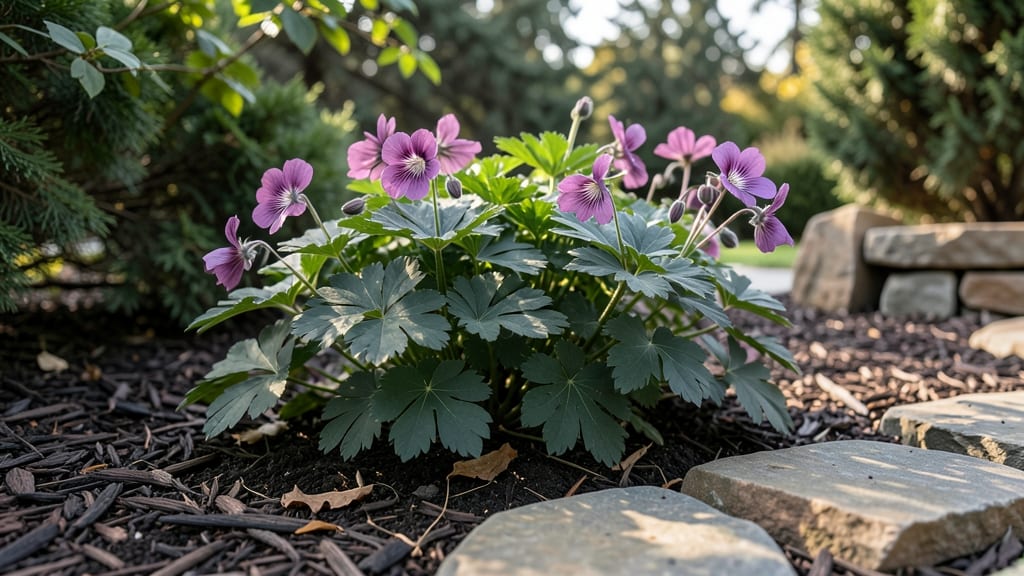
Growing geraniums in partial shade isn’t just possible—it can produce vibrant blooms that outshine their sun-loving cousins.
Struggling to keep your shade garden lively? The right geranium varieties thrive with just filtered light, turning dull corners into bursts of color. No more sacrificing sunny spots for other plants—these shade-tolerant beauties deliver continuous blooms without fuss.
From Geranium macrorrhizum, with its fragrant foliage, to Geranium phaeum, known for its striking purple-blue flowers, we’ll explore the top 5 varieties that excel in partial shade. Plus, I’ll share the care secrets—like soil prep and watering tricks—that keep them flourishing year after year.
Ready to transform your shady patches into a geranium paradise? Let’s dive into the varieties, care tips, and common pitfalls to avoid so your geraniums bloom brighter than ever—even without full sun.
 Best Window Placement
5 Best geranium varieties for partial shade gardens
If you thought geraniums needed full sun to shine, think again! These shade-tolerant varieties prove that partial shade gardens can still burst with color. I’ve grown these beauties in my own woodland-edge garden, where morning sun fades into dappled afternoon shade.
The key is choosing the right geranium species that thrive in 3-6 hours of sunlight daily—not the sun-loving zonal geraniums you see everywhere.
For partial shade success, focus on hardy geraniums like Geranium macrorrhizum (cranesbill) and Geranium phaeum (dusky cranesbill). These varieties developed in European woodlands, where they adapted to filtered light conditions. Their deep green foliage and clustering blooms create lush ground covers that outperform most shade plants.
Plus, they’re drought-tolerant once established, making them low-maintenance stars for east-facing beds or tree-canopy edges.
Why partial shade? Direct afternoon sun can scorch leaves, while too little light leads to leggy growth and sparse blooms. The varieties below strike the perfect balance—vibrant flowers without the heat stress of full sun. I’ve included their ideal light ranges, bloom colors, and growth habits so you can pick the perfect fit for your garden’s microclimate.
Comparison Table: Top 5 Partial Shade Geraniums
Let’s start with my top pick for partial shade: Geranium macrorrhizum, or cranesbill geranium. This European native handles 3-6 hours of sun beautifully, producing
How to maximize blooms in low-light geraniums
Geraniums in partial shade can still produce stunning blooms with the right care approach. Unlike their sun-loving cousins, shade-tolerant varieties need gentler watering, richer soil, and strategic pruning to thrive.
The key is mimicking their natural habitat—dappled woodland edges—where they receive filtered light and consistent moisture without soggy roots.
I’ve found that soil preparation makes the biggest difference for low-light geraniums. Amending your garden beds with organic compost and perlite creates the perfect balance of drainage and moisture retention. This prevents root rot while keeping the soil consistently hydrated, which is crucial when direct sunlight is limited.
Here’s how to optimize your care routine for maximum blooms in partial shade:
- 🌱 Soil Prep: Mix 50% compost with native soil and add 20% perlite for airflow. Test pH—geraniums prefer 6.0-7.0.
- 💧 Watering: Water deeply 2-3x/week in summer, reducing to once/week in fall. Always water at soil level, not overhead.
- ✂️ Pruning: Trim spent blooms weekly and cut back 1/3 of leggy stems in early spring to encourage bushier growth.
- 🌿 Fertilizing: Use balanced 10-10-10 fertilizer every 6 weeks in growing season. Avoid high-nitrogen feeds—they promote foliage over flowers.
- ☀️ Light Adjustments: If blooms slow in late summer, move pots to morning sun for 2-3 hours to boost flowering.
Seasonal adjustments are equally important. In spring, I focus on light feeding to jumpstart growth, while in fall, I reduce watering and stop fertilizing entirely.
This mimics the plant’s natural dormancy cycle, preventing weak stems that can’t support blooms. Mulching with straw or shredded leaves helps retain moisture and regulate soil temperature.
Don’t overlook companion planting—pairing geraniums with hostas or heucheras creates a microclimate that retains moisture longer. This simple trick can extend your blooming season by 3-4 weeks. Just ensure companions have similar water needs to avoid competition.
With these adjustments, my shade-loving geraniums now produce continuous blooms from early summer through fall, proving that even low-light gardens can be vibrant with the right techniques. The secret? Treating them like the delicate woodland plants they are—gentle care yields the best results.