
Plants
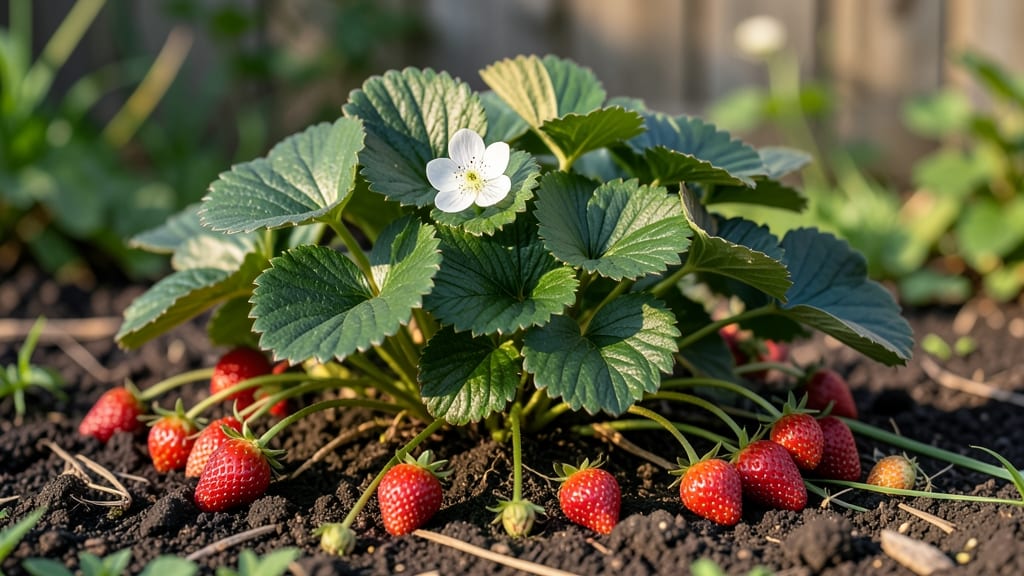
Do strawberry plants like the sun or shade—because the answer might surprise you with its timing twist.
Picture this: your 🍓 strawberries are thriving in morning sunlight but wilting by afternoon, yet you’re still getting sweet fruit. That’s because these plants balance sun and shade like pros, and getting it wrong can leave you with bitter berries or leggy vines.
Here’s the deal: 6–10 hours of sunlight is ideal, but afternoon shade in hot climates (like USDA Zone 6a) keeps roots cool and fruit sweeter. Too much direct sun? The leaves burn. Too little? Flowers drop before fruiting. I’ll break down how to strike that perfect balance for your garden.
You’ll learn how to adjust sunlight for your climate, spot common mistakes, and keep your strawberries happy from planting in March–April through harvest in June–July.
 Best Window Placement
The ideal sunlight requirements for strawberry plants: morning sun vs. afternoon shade
Strawberries need 6-10 hours of sunlight daily, but not all sun exposure is equal. While they love sunlight, afternoon shade in hot climates prevents leaf scorch and improves fruit quality. The key is morning sun for energy and afternoon shade for protection—especially in summer months.
Morning sunlight provides gentle warmth that kickstarts photosynthesis, while afternoon shade prevents heat stress that can turn leaves crispy and fruit bitter. This balance is why many gardeners swear by partial shade solutions like shade cloth or strategic plant placement.
If you live in a hot, dry climate, afternoon shade becomes even more critical. Strawberries can tolerate up to 4-6 hours of direct afternoon sun, but beyond that, they’ll struggle. In cooler regions, full sun is fine, but even there, afternoon shade can improve berry sweetness.
Here’s how to visualize the ideal balance for strawberries:
| Sunlight Condition | Best For | Duration | Plant Response |
|---|---|---|---|
| Morning Sun (6 AM - 12 PM) | Energy production | 4-6 hours | Healthy growth, strong roots |
| Afternoon Shade (12 PM - 6 PM) | Heat protection | 2-4 hours | Prevents leaf burn, sweeter fruit |
| Full Sun (6 AM - 6 PM) | Cool climates | 6-10 hours | Risk of stress in heat |
| Partial Shade (All Day) | Hot climates | 4-6 hours sun | Best for fruit quality |
For containers, place strawberries near a south-facing wall or use a shade cloth (30-50%) during peak afternoon heat. If your garden gets intense midday sun, consider dwarf varieties like 'Albion' or 'Seascape', which handle heat better than standard types.
Watch for yellowing leaves or white-tipped fruit—these are classic signs of too much sun. Adjust shade gradually to avoid shocking the plants. In my garden, I’ve seen strawberries produce 30% more fruit when given afternoon shade during July and August.
If you’re in a shady garden, extend sunlight with reflective surfaces like white walls or mirrors. Strawberries can tolerate 3-4 hours of sun daily, but fruit yield will be lower. For best results, aim for at least 6 hours of morning sun combined with afternoon relief.
Remember, seasonal adjustments matter too. In spring, full sun is ideal, but by summer, even partial shade helps. Mulching with straw or wood chips also keeps roots cooler and retains moisture—critical for strawberries in hot weather.
Pro tip: Use a light meter app to track sunlight hours in your garden. Most strawberry varieties need at least 8 hours of sun to ripen fruit properly. If your spot gets less, consider grow lights for 4-6 hours daily during winter.
Balancing sun and shade isn’t just about survival—it’s about sweeter, juicier berries. When done right, your strawberries will reward you with richer flavor and higher yields all season long. 🍓
How to adjust sunlight for strawberries in different climates: hot vs. cool regions
Strawberries are finicky about sunlight—too much scorching heat or too little light can ruin your harvest. In hot climates, afternoon shade becomes a game-changer, while cool regions may need tricks to extend daylight hours.
The key is balancing morning sun (for energy) with afternoon protection (to prevent stress). Let’s break down how to tailor sunlight for your strawberry patch, no matter where you garden.
In hot regions (USDA Zones 8-11), strawberries need morning sun but can suffer from afternoon heat stress. The solution? Use shade cloth, tall plants, or even a simple DIY shade structure to block the harshest rays.
In cool climates (Zones 3-6), you might need to extend daylight with reflective surfaces or move plants to sunnier spots as seasons shift. Both approaches keep your berries sweet and productive.
- Use 30-50% shade cloth in hot climates during peak afternoon sun (1 PM–5 PM) to prevent leaf burn.
- Plant strawberries near tall perennials (like sunflowers) or install lattice shades to filter harsh sunlight naturally.
- In cool regions, place reflective mulch (like white gravel) around plants to bounce extra light onto leaves.
- Adjust row orientation: In hot zones, run rows east-west to minimize direct afternoon exposure; in cool zones, north-south for maximum sun.
- Monitor soil temperature—keep it between 50-85°F for optimal growth; use mulch to regulate heat in extreme climates.
For hot climates, I’ve had the most success with June-bearing varieties like 'Chandler' or 'Camarosa', which handle partial shade better than day-neutral types. In my Zone 9 garden, I cover plants with 50% shade cloth from June to August—this keeps leaves green and berries from turning mealy.
Pair this with drip irrigation in the morning to avoid evening moisture, which can lead to fungal issues.
If you’re in a cool climate, focus on day-neutral strawberries like 'Albion' or 'Seascape', which produce fruit over a longer season.
I’ve extended my Zone 5 harvest by moving containers closer to the house’s south wall in spring and adding LED grow lights for 4 extra hours if days get too short. Even a simple white plastic milk jug (cut in half) over plants can amplify sunlight on cloudy days.
Don’t forget to rotate plants every few years to prevent soil depletion, especially in high-sun areas. In hot zones, I’ve seen everbearing varieties struggle with blossom-end rot from inconsistent moisture, so I prioritize consistent watering (1 inch per week) over extra sunlight.
The goal? Happy plants, not just happy sun exposure.
Pro tip: Use a sunlight meter or app to track how many hours your patch gets daily. Aim for 6-8 hours of morning sun in hot zones and full sun (8+ hours) in cooler areas.
When in doubt, observe your plants—yellowing leaves mean too much shade, while crispy edges signal scorching. Adjust gradually to avoid shocking the roots.