
Light Requirements
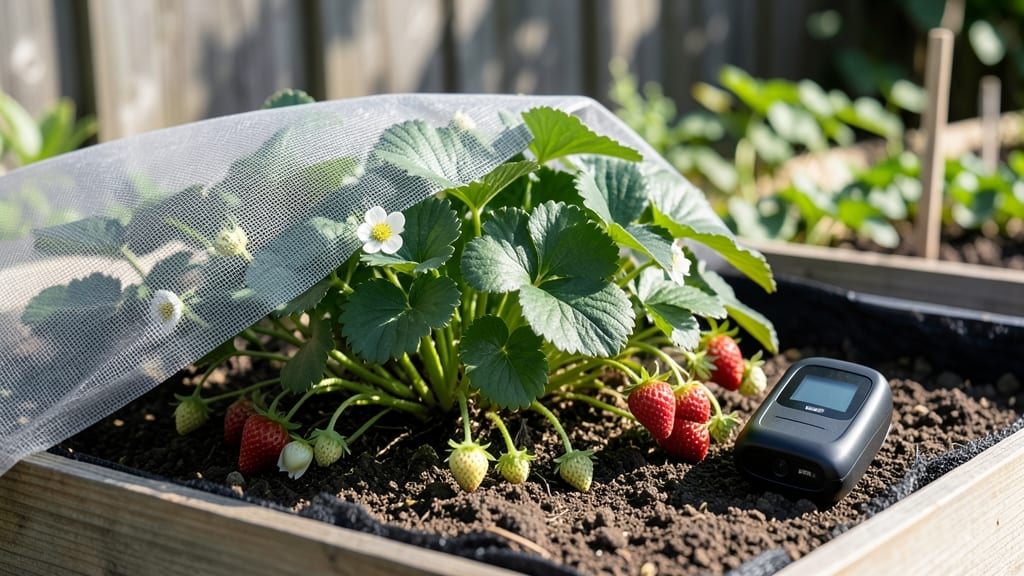
Growing strawberries in full sun or shade makes all the difference between tiny, tart berries and the sweet, juicy harvest you dream of 🍓.
Struggling to grow juicy, sweet strawberries? The battle between full sun and shade can make or break your harvest—here’s how to master the light balance for peak strawberry success.
Most gardeners assume strawberries thrive only in full sun, but the truth is more nuanced. While 6+ hours of sunlight is ideal, too much heat can actually reduce flavor and fruit size, especially in hot climates like Zone 6a.
In this guide, I’ll break down the science behind light exposure, share practical tips for adjusting shade, and reveal which varieties handle partial shade best—so you can grow strawberries that taste like summer every time.

Full sun vs. shade for strawberries: what science says about growth
If you've ever wondered why your strawberries taste bland or produce fewer fruits than expected, the answer might lie in your garden's light exposure. Strawberries are famously sun-loving plants, but their relationship with light is more nuanced than a simple "full sun only" rule.
Research shows that while 6+ hours of direct sunlight maximizes sweetness and yield, some shade can actually benefit plants in extreme climates or specific growing conditions. Let's break down the science behind how sunlight affects strawberry growth, fruit quality, and overall plant health.
Sunlight isn't just about brightness—it's about photosynthesis efficiency, temperature regulation, and even flavor development. Studies from the University of California reveal that strawberries exposed to full sun produce fruits with 20-30% higher sugar content compared to those grown in partial shade.
This happens because sunlight triggers the conversion of starches to sugars during ripening. However, too much intense sun without proper watering can stress plants, leading to smaller berries or sunburned leaves.
Here's where the science gets interesting: strawberries have a shade tolerance threshold of about 30-40% shade (or 4-6 hours of sun) before fruit production noticeably declines. Beyond this point, you'll see reduced yields, smaller berries, and less vibrant colors.
The key is finding that sweet spot where your plants get enough light for optimal growth but aren't overwhelmed by heat stress in hotter climates.
The photosynthetic response of strawberries peaks at 60-70% sunlight intensity, which explains why full sun produces the best results. However, in regions with intense afternoon sun (like the desert Southwest), providing 30% afternoon shade can prevent leaf scorch while still allowing enough light for good fruit set.
This is particularly important for June-bearing varieties, which need all their energy for fruit production rather than leaf repair.
One common misconception is that strawberries can thrive in deep shade (like under trees). While some varieties like 'Seascape' tolerate partial shade better than others, growing strawberries with less than 3 hours of sun will result in poor fruit development.
The plants may produce a few berries, but they'll be small, pale, and lacking in flavor. This happens because shade reduces the plant's ability to convert sunlight into energy through chlorophyll production.
Temperature also plays a crucial role in how strawberries respond to light. In cooler climates (USDA Zones 3-5), strawberries can handle full sun because the intensity is naturally lower.
But in Zones 7-10, where summer temperatures exceed 90°F (32°C), providing afternoon shade with shade cloth (30-50% coverage) can improve survival rates by up to 40%.
This is especially true for everbearing varieties, which produce fruit in both spring and fall when heat stress is most likely.
When evaluating your garden's sunlight conditions, consider the angle of the sun throughout the day.
How to optimize strawberry light conditions for maximum sweetness
Strawberries thrive when they get the right amount of sunlight—but too much or too little can turn your sweet dreams into sour harvests. 6 to 10 hours of sunlight is ideal, but adjusting for your climate or garden layout can make all the difference.
If your strawberries are small or bland, light exposure might be the culprit. Let’s fix that with practical strategies tailored to your growing conditions.
First, assess your garden’s natural light patterns. Morning sun is gentler and helps prevent scorching, while afternoon shade can protect plants in hot climates. If your strawberries are in full sun all day, especially in Zone 8+, they may need afternoon relief.
For cooler regions, maximizing sunlight will boost fruit production and sweetness. The key is balance—let’s break down how to achieve it.
- Use shade cloth (30-50%) for afternoon sun protection in hot climates. Install 2-3 feet above plants to avoid blocking airflow.
- Prune overlapping leaves to improve light penetration. Trim runners aggressively in June-July to redirect energy to fruit production.
- Rotate containers weekly if growing in pots to ensure even sunlight exposure on all sides.
- Plant tall crops nearby (like sunflowers) to provide natural shade during peak summer hours.
- Monitor fruit color—greenish berries signal insufficient light, while pale fruit means too much shade.
For seasonal adjustments, consider your local climate. In Zone 5-7, strawberries can handle full sun year-round, but mulch heavily to retain moisture. In Zone 8+removable shade structure that you can roll up in cooler months.
Pruning isn’t just for aesthetics—it’s a light optimization hack. Remove old leaves that block sunlight from reaching lower fruit. Focus on June-bearing varieties, which produce all their fruit in one cycle.
Ever-bearing types need lighter pruning to encourage continuous harvests. A sharp pair of bypass pruners and 10 minutes weekly will transform your plant’s light exposure.
Don’t overlook container growing if your yard lacks ideal sunlight. Place pots on wheelbarrows or stands to rotate them toward the sun as it shifts throughout the day. South-facing windowsills work for dwarf varieties like 'Alpine' but may limit production.
For maximum sweetness, supplement with a grow light (12-14 hours/day) during cloudy stretches.
Remember, strawberries are perennial powerhouses—optimizing light now means sweeter rewards for years. Start with small adjustments, monitor your plants’ responses, and tweak as needed. Your taste buds (and your neighbors) will thank you for that perfect sun-sweetened strawberry! 🍓