
Light Requirements
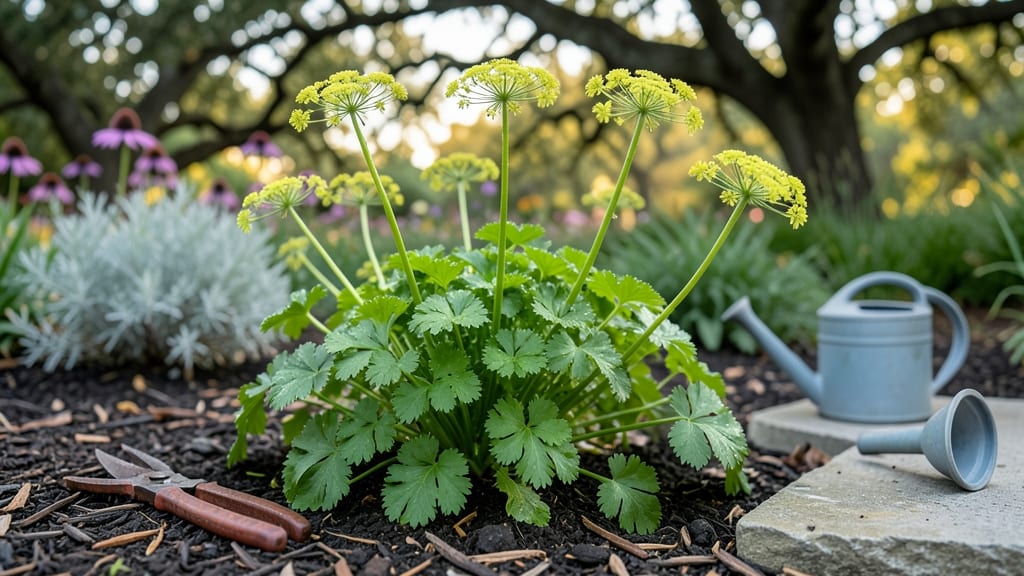
Parsley grows best in full sun or shade, but getting the balance right is the key to bold flavor and healthy leaves 🌿.
Struggling to grow parsley that’s both lush and flavorful? The secret might be hiding in your garden’s lighting—too much sun or too little shade can dramatically alter your harvest’s taste and growth.
While parsley thrives in 4-6 hours of sunlight daily, it’s surprisingly adaptable. In hotter zones, a little afternoon shade keeps leaves tender, while cooler climates may need more direct light to prevent leggy stems.
Below, I’ll break down the ideal light conditions for parsley, how to spot when it’s getting too much or too little, and how to adjust care for the best harvests all season long.

Full sun vs. partial shade for parsley: how light affects growth and flavor
Parsley thrives in 4-6 hours of sunlight daily, but many gardeners debate whether it prefers full sun or partial shade. The truth? Both work, but with noticeable differences in growth speed, leaf texture, and flavor intensity.
Understanding these nuances helps you optimize your harvest for the most vibrant, aromatic parsley.
In full sun (6+ hours/day), parsley grows faster and develops bolder flavors, but may bolt sooner in hot climates. Meanwhile, partial shade (3-6 hours/day) slows growth slightly but protects leaves from scorching while maintaining a milder, sweeter taste. Let’s break down how light conditions impact your parsley’s performance.
| Factor | Full Sun (6+ Hours) | Partial Shade (3-6 Hours) |
|---|---|---|
| Growth Speed | ⚡ Faster (30-50% quicker) | 🐢 Slower (10-20% slower) |
| Leaf Texture | 🌿 Thicker, coarser edges | 🌿 Softer, finer edges |
| Flavor Intensity | 🔥 Bold, robust (higher myristicin) | 🌸 Milder, sweeter (lower bitterness) |
| Heat Tolerance | ⚠️ Risk of bolting in temps >85°F | ✅ Better for hot climates |
| Best For | 🌱 Cool climates (Zones 3-6) | ☀️ Hot climates (Zones 7-10) |
If you’re growing parsley in full sun, focus on cool-season planting (spring or fall) to avoid bolting. In hotter regions like Zone 8+, opt for morning sun and afternoon shade to balance growth and flavor.
My own parsley in Zone 6 thrives with 5-6 hours of morning sun and performs poorly when exposed to harsh afternoon rays.
For flat-leaf parsley, full sun enhances its earthy, peppery notes, while curly parsley often does better in partial shade, where its delicate leaves stay lighter and less bitter. Test both conditions in your garden—you might discover a preferred variety-light combo that works uniquely for your climate.
One common myth is that parsley must have full sun to thrive. While it tolerates shade, prolonged low light leads to leggy, pale stems and reduced flavor compounds.
Strike a balance by placing parsley near dappled sunlight (e.g., under fruit trees) or using reflective surfaces to maximize light exposure.
To optimize parsley growth, acclimate seedlings gradually to full sun over 7-10 days. Start with 2-3 hours/day and increase exposure weekly. This hardening process prevents shock and ensures your plants adapt smoothly to their target light conditions.
For container growers, place parsley in south-facing pots near a bright window or under grow lights for 12-14 hours/day. If outdoors, rotate pots weekly to ensure even light exposure and prevent leaning. My balcony parsley in partial shade produces softer, more tender leaves perfect for garnishes.
Monitor your parsley’s leaf color as an indicator of light success. Deep green leaves signal ideal conditions, while yellowing or purple tinges suggest too much sun or shade, respectively. Adjust pruning habits too—heavy harvesting in full sun encourages bushier growth, whereas light harvesting in shade preserves delicate foliage.
Experiment with seasonal light shifts. In summer, parsley may need afternoon shade, while winter’s weaker sunlight might require supplemental grow lights. By observing these changes, you’ll fine-tune your parsley’s environment for year-round success. 🌱
Best light conditions by parsley variety: curly vs. flat-leaf in sun or shade
Not all parsley is created equal when it comes to sunlight! While both curly parsley and flat-leaf parsley thrive in similar conditions, their responses to light differ subtly. Curly parsley often handles full sun better in cooler climates, while flat-leaf varieties may prefer partial shade in hotter regions.
Understanding these differences can mean the difference between a flavorful harvest and a bitter disappointment.
In Mediterranean climates (like California or Spain), parsley often struggles with intense afternoon sun, especially during summer. Here, flat-leaf parsley tends to perform better with morning sun and afternoon shade, avoiding the heat stress that can turn leaves tough and bitter.
Meanwhile, in cooler zones (like the Pacific Northwest or UK), both varieties can handle full sun exposure without issue.
| Variety | Ideal Light | Climate Adaptability | Flavor Impact |
|---|---|---|---|
| Curly Parsley | 4-6 hours sun (full sun in cool zones) | Tolerates full sun in cooler climates | Milder, sweeter taste in partial shade |
| Flat-Leaf Parsley | 3-5 hours sun (partial shade in hot zones) | Prefers shade in Mediterranean climates | More intense, robust flavor in ideal light |
For curly parsley, I recommend providing morning sunlight and afternoon shade in hot climates to prevent leaf burn. In cooler regions, you can push it to full sun exposure for faster growth.
The key is monitoring leaf color—if they turn yellow or crispy, it’s a sign of too much sun.
If you’re growing flat-leaf parsley, prioritize dappled shade or filtered sunlight, especially in summer. This variety often handles shade better than curly parsley, making it ideal for container gardening under trees or on shaded patios.
In my experience, flat-leaf parsley grown in partial shade develops a richer, more complex flavor compared to its sun-stressed counterparts.
Adjust your care based on your region: In USDA Zone 7 or higher, use shade cloth (30-50%) to protect parsley from intense afternoon rays. In cooler zones (Zones 4-6), you can safely place parsley in full sun without risking heat stress.
Always ensure well-draining soil to prevent root rot, which can worsen under high-light conditions.
Pro tip: Harvest leaves in the morning after dew has dried for the freshest flavor. Regular harvesting encourages bushier growth and prevents bolting—especially important if your parsley is struggling with light extremes. With the right light balance, you’ll enjoy a year-round supply of vibrant, aromatic parsley—whether curly or flat-leaf! 🌿