
Light Requirements
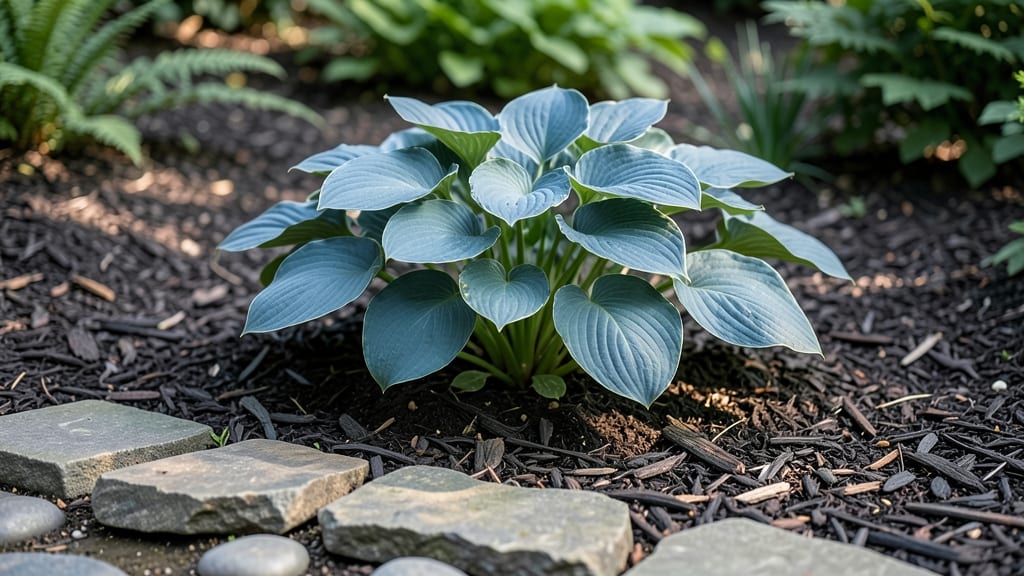
This lighting condition is especially important for plants that need protection from the harshest afternoon rays but still require more light than full shade provides. 🌿 The key is understanding how light intensity changes throughout the day—morning sun is generally gentler than afternoon sun, which can scorch leaves.
Many gardeners mistakenly assume partial shade means "some shade," but the actual sunlight duration and timing make all the difference for plant health.
For example, ferns and hostas thrive in partial shade because they can't handle prolonged direct sun, while astilbe and heuchera benefit from the filtered light without the risk of leaf burn.
The 3-6 hour range gives you flexibility to place plants based on their specific needs, whether you're working with an east-facing garden bed or a spot under a large tree that only gets morning sun.
What's interesting is how this definition varies by region. In cooler climates, a spot might qualify as partial shade even with 5 hours of sun, while in hotter areas, 4 hours could push it toward full sun exposure. Always observe your garden throughout the seasons to adjust plant placement accordingly.
💡 In This Article
- How Sunlight Hours Define Partial Shade Conditions
- Best Plants for Partial Shade Gardens
How sunlight hours define partial shade conditions
The 3-6 hour daily sunlight window that defines partial shade isn't just about duration—it's about the quality of light your plants receive.
Morning sunlight (6 AM–12 PM) typically delivers gentler, cooler light with lower UV intensity, while afternoon sun (12 PM–6 PM) brings stronger, hotter rays that can stress delicate foliage.
This difference explains why a plant might thrive in 5 hours of morning sun but struggle with the same duration in the afternoon. 🌞 The 3-hour minimum ensures enough photosynthesis for healthy growth, while the 6-hour maximum prevents leaf scorch or heat damage.
Light intensity also varies by season due to the sun's angle. In summer, when the sun sits higher in the sky, even 4 hours of direct exposure can feel like full sun to sensitive plants.
Conversely, winter sunlight—though longer in duration—is softer and less intense, meaning a spot might qualify as partial shade in summer but approach full shade in winter.
This seasonal shift is why gardeners in temperate climates often see plants like hostas (which tolerate 3-4 hours of summer sun) flourish in spots that would be too harsh for them in peak summer months.
The dappled light component of partial shade creates a dynamic environment where leaves receive intermittent shade from branches or structures. This pattern mimics natural forest understories, where plants evolve to handle fluctuating light levels.
For example, impatiens (which need 4-6 hours of filtered light) will develop leggy growth if deprived of this dappled exposure, while ferns (preferring 3-4 hours) may crisp if given more direct light.
The key is observing how light moves across your garden throughout the day—using a sunlight tracker app can reveal surprising variations in just a few feet.
Comparing partial shade to its extremes highlights the importance of precision. Full sun plants (like lavender or rosemary) require 6+ hours of direct light and will suffer from chlorosis (yellowing leaves) in partial shade conditions.
Conversely, full shade plants (like caladiums) need <3 hours of direct sun and may become etiolated (stretched and weak) with even 3 hours of exposure. The partial shade zone acts as a buffer, accommodating plants that can't handle the extremes but still need more light than deep shade provides.
Microclimates add another layer of complexity. Urban gardens with brick walls or pavement may experience 20% more heat retention than rural areas, turning a 4-hour sun spot into a full sun equivalent. Coastal regions with reflective water or sandy soil can also intensify light exposure.
Always test your garden's conditions by placing a white board in suspect spots for a week—if it shows signs of scorching after 3 hours, you're likely dealing with full sun rather than partial shade.
What most gardeners overlook is how plant placement affects sunlight exposure. A north-facing wall might cast permanent shade on a bed, while a south-facing structure could create moving shadows that change hourly. By mapping these patterns, you can strategically position plants to maximize their comfort.
For instance, placing heuchera (which thrives on 4-5 hours of morning sun) on the east side of a tree ensures it gets the light it needs without afternoon stress. 🌿