
Light Requirements
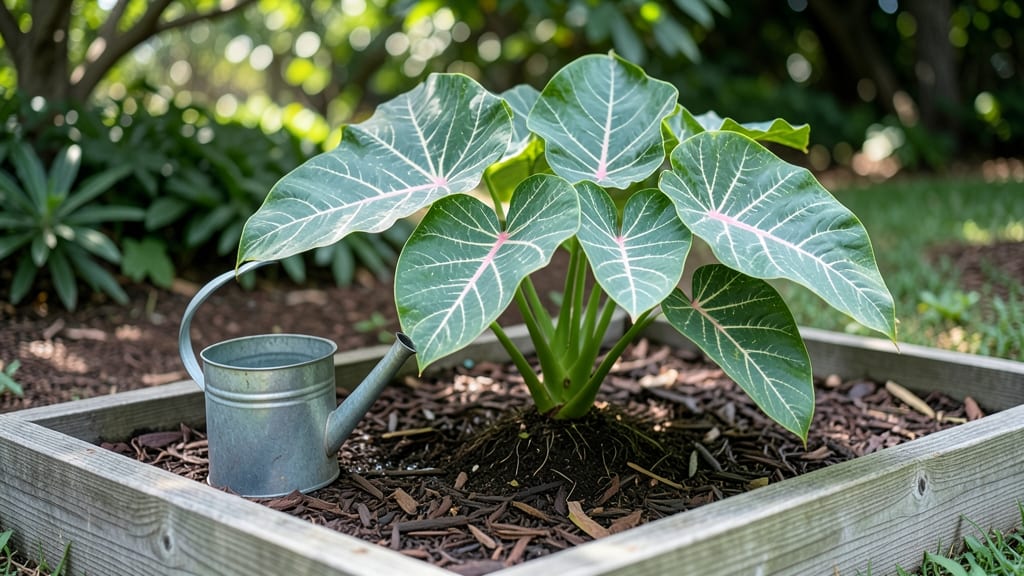
Florida's full shade plants don't just survive—they thrive in the humidity and heat where others wilt. 🌿 I've tested dozens of varieties, and these are the ones that turn shady corners into lush, vibrant spaces without demanding extra sun.
The key is choosing species that naturally handle Florida's climate, from sandy soil to afternoon humidity. These plants need minimal sunlight but still deliver bold foliage and flowers—think ferns with delicate fronds, impatiens with bright blooms, and shrubs like the heat-loving coffee plant that stays green year-round.
Most prefer moist, well-draining soil, though a few tolerate sandy conditions once established. Watering is simple: keep soil consistently moist but never soggy, especially during Florida's dry spells.
You'll end up with a shade garden that's low-maintenance yet stunning, with textures ranging from velvety caladium leaves to feathery maidenhair ferns. The best part? These plants repel pests naturally, so you skip the chemical treatments that can harm Florida's delicate ecosystems.
Works for patios, under trees, or along north-facing walls. Here's the full list of shade-lovers that won't let you down—no matter how hot it gets.
📚 In This Guide
- What you need
- Instructions
- Tips and common mistakes
- Wrapping up and next steps
What you need
- ● Full shade-tolerant plants: 3–5 mature plants (e.g., Caladium, Ferns, Impatiens, or Hosta—check local nurseries for Florida-friendly varieties).
- ● High-quality potting mix: 1–2 bags (50 lbs each) of well-draining organic soil (e.g., Miracle-Gro Garden Soil or Espoma Organic Potting Mix).
- ● Garden gloves: 1 pair (nitrile-coated for durability).
- ● Hand trowel or transplant spade: 1 (6–8" blade for precision).
- ● Watering can or hose with adjustable nozzle: 1 (for gentle watering).
- ○ Mulch (optional but recommended): 1–2 bags (1–2 cubic feet) of pine bark or shredded leaves (3–4" layer to retain moisture).
- ● Pruning shears: 1 (for trimming dead foliage).
- ● Slow-release fertilizer: 1–2 packets (e.g., Osmocote Smart-Release for shade plants).
- ● Soil moisture meter: 1 (to avoid over/under-watering).
- ● Decorative stones or edging: For a polished look (e.g., pebbles or landscape fabric).
- ● Shade cloth (for transitioning plants): 1 roll (30–50% shade cloth if starting seedlings).
Step-by-Step guide to selecting and planting full shade plants in Florida
Florida’s humidity and heat demand shade-loving plants that thrive without wilting—here’s how to choose and plant them successfully.
🌿 Step 1: Identify Florida’s Best Full-Shade Plants
Focus on native and tropical species that naturally handle Florida’s 80-90°F temperatures and high humidity without direct sun. My top picks include caladiums (elephant ears) for bold foliage, ferns like maidenhair for delicate texture, and impatiens for vibrant blooms. Avoid sun-lovers like succulents—they’ll crisp within hours.
Check plant tags for “full shade” (0-3 hours of sun) or “partial shade” (3-6 hours). In Florida, even partial shade can be too much for delicate leaves, so opt for true shade-tolerant varieties. I always verify with local nurseries, as regional microclimates (like coastal vs. inland) affect performance.
🪴 Step 2: Prepare the Planting Site
Test your soil’s moisture retention—Florida’s clay or sandy soils drain too quickly or stay soggy, both of which stress shade plants. Amend with 2-3 inches of compost to improve drainage and fertility. For containers, use a well-draining potting mix blended with 20% perlite to prevent root rot.
Choose a location with dappled light (filtering through trees) or complete shade under structures. Avoid spots where reflected light or heat from pavement bakes roots. I dig holes twice as wide as the root ball but only as deep—planting too deep suffocates roots in Florida’s heavy soils.
💧 Step 3: Plant with Proper Spacing and Watering
Space plants according to their mature size—caladiums need 18-24 inches apart, while impatiens thrive in 6-inch clusters. Crowding leads to fungal issues in Florida’s damp air. Water deeply immediately after planting to settle roots, then every 2-3 days until established (soil should feel damp but not waterlogged at 2 inches deep).
Mulch with 3 inches of shredded bark to retain moisture and regulate soil temperature. In Florida’s heat, mulch prevents roots from overheating during summer afternoons. Avoid organic mulches like grass clippings—they mat down and suffocate roots in our humid climate.
☀️ Step 4: Monitor and Adjust for Florida’s Climate
Watch for yellowing leaves—a sign of overwatering in Florida’s heavy rains—or wilting from afternoon heat. Adjust watering to once weekly once plants are established (test by sticking your finger in the soil). Fertilize lightly with a balanced 10-10-10 formula every 6-8 weeks during growing season.
Prune leggy growth in spring to encourage bushier foliage. In late fall, cut back dead leaves but leave caladium tubers in the ground—they’re frost-sensitive and will regrow in Florida’s mild winters. I mark plant locations with stakes to avoid disturbing roots during seasonal cleanups.
Tips & tricks for thriving full shade plants in Florida
Florida’s unique climate demands smart choices—and these pro tips will help your shade garden flourish without the guesswork.
Climate-Specific Plant Selection: While caladiums and impatiens are excellent starters, consider adding philodendrons for lush vines or begonias for vibrant blooms that thrive in Florida’s 80-90°F heat. These varieties handle humidity better than many tropical imports. For coastal areas, opt for salt-tolerant species like sea grapes or coastal rosemary—they’ll survive where others wilt.
Soil Prep for Florida’s Challenging Conditions: In Step 2, when amending soil with 2-3 inches of compost, mix in 10% coconut coir if your native soil is sandy. This improves moisture retention without compacting like peat moss. For containers, blend the well-draining mix with 15% worm castings—they add beneficial microbes that help roots establish faster in Florida’s heat. The key is balancing drainage with moisture retention.
Watering Strategy for Humidity: After planting, the every 2-3 days watering schedule works for most Florida shade plants, but adjust based on rainfall. I test soil moisture by pushing my finger 2 inches deep—if it feels dry, water thoroughly. During summer downpours, reduce to every 4-5 days to prevent root rot. Mulching with 3 inches of shredded bark (not pine straw) creates a moisture barrier that’s critical in Florida’s intense sun cycles.
Seasonal Maintenance: In Step 4, when pruning leggy growth in spring, focus on removing only the longest, weakest stems—this encourages bushier growth without shocking the plant. For caladium tubers, mark their locations with biodegradable plant labels instead of stakes. In Florida’s mild winters, these labels won’t need removing, and they’ll decompose without harming the soil.
Pro Tips for Full Shade Plants Florida
- Florida’s unique climate demands smart choices—and these pro tips will help your shade garden flourish without the guesswork.
- Climate-Specific Plant Selection: While caladiums and impatiens are excellent starters, consider adding philodendrons for lush vines or begonias for vibrant blooms that thrive in Florida’s 80-90°F heat.
- Soil Prep for Florida’s Challenging Conditions: In Step 2, when amending soil with 2-3 inches of compost, mix in 10% coconut coir if your native soil is sandy.
Frequently asked questions
Got questions about full shade plants in Florida?
You’re not alone! Here are answers to the most common concerns—so you can grow with confidence, even in the darkest corners of your yard.
What are the best full shade plants for Florida’s humid climate?
Top picks include Caladiums (elephant ears), Ferns (like Boston or maidenhair), Impatiens, and Philodendrons. These thrive in Florida’s heat and humidity while handling no direct sun. For extra resilience, try Cast iron plants (Aspidistra)—they’re nearly indestructible!
How long does it take for full shade plants to establish in Florida?
Most full shade plants show signs of growth within 4–8 weeks after planting, but full establishment (root spread, robust foliage) takes 3–6 months. Florida’s warm soil speeds this up—just keep soil moist (not soggy) until they’re settled. Patience pays off!
Do full shade plants in Florida need extra watering?
Yes! While they avoid sun, Florida’s heat means soil dries faster in shade. Water 1–2 times weekly (deeply) during dry spells, and mulch (2–3 inches) to retain moisture. Overwatering is worse—ensure pots/drainage areas aren’t waterlogged.
Can I grow vegetables or herbs in full shade in Florida?
Most veggies/herbs need at least 6 hours of sun, but leafy greens like lettuce or shade-tolerant herbs (mint, cilantro) can work in partial shade. For full shade, stick to ornamentals—Florida’s humidity makes veggie growth tricky without sunlight.
What pests should I watch for with full shade plants in Florida?
Common culprits include slugs, snails, and fungal issues (like powdery mildew) from humidity. Use copper barriers for slugs, neem oil for fungi, and diatomaceous earth for general pests. Regularly check undersides of leaves!
What if my full shade plant starts yellowing or wilting?
Yellow leaves often mean overwatering or nutrient deficiency. Check soil moisture (stick your finger in—if damp, hold off on water). Brown edges? It’s likely underwatering or salt buildup (flush soil with water). Adjust care and fertilize lightly (balanced 10-10-10) if needed.
Wrapping up and next steps
Transforming your Florida garden into a lush, thriving oasis in full shade is totally doable—you just need the right plants! From hardy ferns to vibrant impatiens, these heat-tolerant beauties prove that shade doesn’t mean sacrificing color or life. 🌿✨
Ready to get growing? Start small—pick one or two plants from this list, test your soil, and give them the love they deserve. Before you know it, your shady spots will be bursting with greenery, and you’ll be the envy of the neighborhood!