
Plants
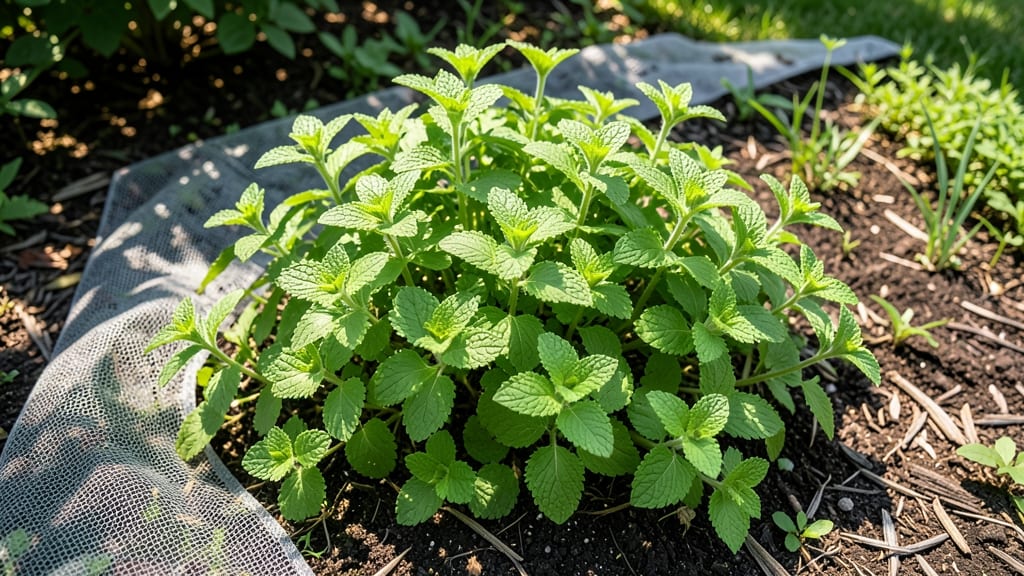
Mint's love for shade comes down to moisture retention and temperature control. 🌿 In full sun, leaves can crisp or turn yellow, while partial shade keeps them vibrant and hydrated.
I've noticed that shade-grown mint develops more complex flavors, making it perfect for containers or garden edges where sunlight is limited. For the best results, aim for 4-6 hours of morning sun with afternoon shade—this balance maximizes growth without stressing the plant.
Not all mint varieties handle shade equally. Chocolate mint and pineapple mint thrive in low-light spots, while spearmint may need slightly more brightness. If you're growing mint indoors, place it near a north-facing window or under grow lights to mimic natural shade conditions.
The key is consistency—mint adapts better to steady, indirect light than sudden sun exposure.
💡 In This Article
- How Light Affects Mint Growth and Flavor
- Best Mint Varieties for Shady Gardens
How light affects mint growth and flavor
Mint's preference for shade stems from its delicate leaf structure and high moisture needs. In full sun, especially during hot afternoons (above 85°F), mint leaves can overheat, leading to crisp edges and reduced growth.
The plant's stomata (tiny pores) close under intense light to prevent water loss, which slows photosynthesis and weakens the plant. 🌿 This is why mint often bolts (prematurely flowers) in full sun—its survival instinct kicks in to reproduce quickly before stress kills it.
The ideal light balance for mint is 4-6 hours of morning sun with afternoon shade, which mimics its natural habitat along stream banks where dappled sunlight filters through trees. Shade-grown mint develops broader, darker green leaves because it focuses energy on leaf expansion rather than protecting against sunburn.
Studies show that shade also boosts essential oil production (like menthol) by 15-20% compared to full-sun plants, making the flavor more potent. For example, spearmint grown in partial shade contains 0.5-0.8% menthol, while full-sun varieties may drop to 0.3%.
Temperature plays a critical role in how mint responds to light. In cool climates (below 70°F), mint can handle more direct sunlight, but in hot zones (above 90°F), shade becomes essential. The plant's optimal temperature range for photosynthesis is 65-75°F—above this, its enzymes denature, reducing growth.
This is why mint often thrives in containers with afternoon shade: the soil stays cooler, and roots don't dry out as quickly. 💫
If you're growing mint in full sun, expect slower growth and smaller leaves. The plant will channel energy into survival rather than flavor development.
For instance, peppermint grown in full sun may produce 30% fewer leaves per stem compared to shade-grown plants, but the leaves will be tougher and less aromatic. The trade-off is clear: shade prioritizes lushness and flavor, while sun prioritizes hardiness but at a cost to quality.
Another key factor is light quality. Mint prefers blue and red light wavelengths (400-500nm and 600-700nm), which are abundant in morning sun but filtered out by afternoon shade. This is why partial shade—especially from deciduous trees—creates the perfect balance.
If you're growing mint indoors, use full-spectrum LED grow lights for 12-14 hours/day to replicate this natural light spectrum without the heat stress of direct sunlight.
For gardeners in USDA zones 8-10, where afternoon sun can be brutal, consider planting mint near taller plants or using shade cloth (30-50% coverage) to diffuse light. This mimics the natural environment where mint grows wild along shaded riverbanks.
The result? Healthier plants, more vibrant leaves, and a stronger minty aroma that's perfect for teas, cocktails, or cooking. 🌿