
Orchid Care
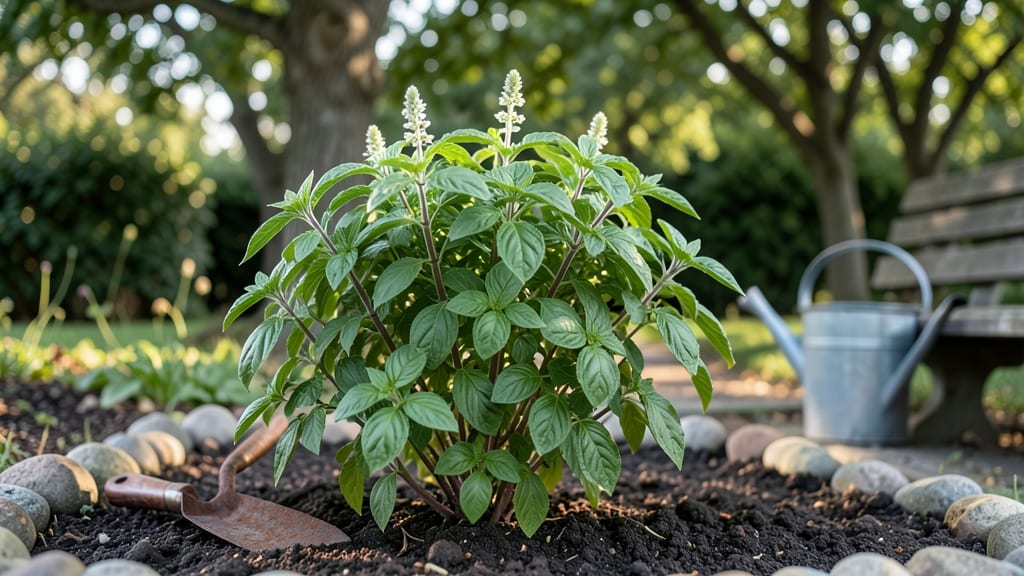
Growing basil in full sun or shade makes all the difference in flavor and yield 🌿 — but getting it right means understanding how light shapes your harvest.
Struggling to grow basil with bold flavor? The battle between full sun and shade might be the secret ingredient you’re missing—because where you place your basil can make the difference between a weak harvest and a garden-fresh explosion of taste.
Too much shade, and your plants stretch tall and pale, losing their signature punch. Too much sun, and you risk leaf burn or stunted growth. The key is finding that sweet spot where your basil thrives, whether you’re growing it in pots on a balcony or in-ground in your garden.
In this guide, I’ll break down how to balance light for maximum flavor, troubleshoot common issues, and adjust care based on your basil’s exact needs—so you can enjoy fresh, vibrant leaves all season long.

Full sun vs shade for basil: how light affects growth and flavor
If you’ve ever grown basil that tasted like sad lettuce or stretched into leggy monsters, your plant’s light exposure is likely the culprit. Basil is famously sun-worshipping, but not all varieties crave the same intensity.
The right balance of sunlight determines everything from growth rate to flavor intensity, even the essential oils that make basil sing in your cooking. Let’s break down how to give your basil the perfect light recipe for maximum flavor and vigor.
Science shows that basil plants exposed to 6-8 hours of full sun produce 30-50% more essential oils—the compounds responsible for that signature anise-like aroma. Without enough light, your basil will grow tall and weak, with pale leaves and a milder taste.
But too much scorching afternoon sun? That’s a recipe for crispy, flavorless leaves. The key is understanding how different light conditions affect your basil’s biology and adjusting accordingly.
🌿 Comparison Table: Basil in Full Sun vs. Shade
For most basil varieties, 6-8 hours of direct sunlight is the sweet spot. This range maximizes photosynthesis, which is the plant’s way of creating energy—and flavor.
Think of it like a basil smoothie: the more sunlight, the more nutrients and oils your plant can produce. Genovese basil, the classic pizza herb, thrives in full sun and delivers that signature peppery kick when grown properly.
But if you’re in a hot climate like Zone 9 or 10, afternoon shade can prevent leaf scorch while still keeping the flavor strong.
Partial shade—defined as 3-6 hours of sunlight—works for some basil types, especially in extreme heat. Lemon basil and Purple basil can handle a little less sun, but their flavor will still suffer compared to sun-loving cousins.
If you’re growing basil in containers on a patio, rotate the pot every few days to ensure even light exposure. Uneven sunlight leads to lopsided growth and weak stems that snap easily.
Low-light conditions (<3 hours of sun) should be a last resort. Basil is an annual herb that evolved to bask in Mediterranean sunshine, so it struggles when deprived. In low light, your basil will stretch toward any available light source—a phenomenon called etiolation.
This results in tall, weak stems with sparse leaves that taste like watered-down basil. If you’re growing basil indoors near a north-facing window, supplement with a grow light for 12-14 hours a day to mimic natural sunlight.
Seasonal adjustments are key, especially if you’re growing basil in USDA Zones 5-7. In summer, basil can handle full sun from morning to early afternoon, then benefit from afternoon shade to prevent wilting.
In spring or fall, when sunlight is less intense, you can safely expose your basil to full sun all day. Pay attention to your basil’s leaves: if they’re curling or turning yellow, it’s a sign of light stress—either too much sun or not enough.
Pro tip: If your basil starts flowering, it’s time to act fast. Flowering signals the end of the plant’s productive life, and the flavor declines rapidly.
Pinch off flowers as soon as they appear, and your basil will redirect its energy into leaf production. For container-grown basil, this is especially
Best basil varieties for sun vs shade conditions: a grower’s guide
Choosing the right basil variety can transform your garden from a struggle to a flavor-packed success. While most basil thrives in full sun, some varieties adapt beautifully to partial shade or even low-light conditions.
The secret lies in matching your basil’s needs to your garden’s sunlight reality—because even shade-loving varieties can produce bold flavors with the right care.
I’ve grown basil in everything from sun-drenched containers on my patio to indoor windowsills with minimal light, and the difference in growth and taste is night-and-day.
For example, Genovese basil—the classic pizza herb—demands 6+ hours of direct sun to develop its signature sweet, peppery notes, while Thai basil can tolerate partial shade and still deliver that signature anise-like kick. Let’s explore the best varieties for your light conditions.
| Variety | Sunlight Needs | Flavor Profile | Best For |
|---|---|---|---|
| Genovese | Full sun (6+ hours) | Sweet, peppery, mild | Pesto, salads, Italian dishes |
| Thai | Partial shade (3-6 hours) | Licorice-anise, spicy | Stir-fries, Thai curries |
| Purple | Full sun to partial shade | Clove-like, slightly sweet | Garnishes, decorative pots |
| Lemon | Full sun (6+ hours) | Citrusy, bright | Dressings, seafood dishes |
| Spicy Globe | Partial shade (3-5 hours) | Hot, peppery | Salsas, spicy dishes |
| Sweet | Full sun to partial shade | Mild, sweet | Beginners, containers |
If your garden gets full sun (6+ hours of direct light), Genovese and Lemon basil are my top picks—they reward you with intense flavors and vigorous growth. Place them in south-facing containers or in-ground beds where they’ll bask in morning sun without afternoon scorching.
For partial shade (3-6 hours of light), Thai basil and Spicy Globe shine, especially in hot climates where afternoon sun can stress plants.
Don’t have a sunlit spot? Sweet basil and Purple basil are surprisingly adaptable. I’ve grown them under grow lights indoors and still harvested aromatic leaves, though the yield will be smaller.
The key is supplemental lighting (12-14 hours daily) and regular pruning to encourage bushiness. Even in low light, these varieties won’t bolt prematurely, giving you a longer harvest window.
Pro tip: Rotate your container-grown basil every few days to ensure even light exposure. This prevents leggy growth and keeps leaves lush. And if you’re growing basil in shade**, prioritize varieties like Thai or Sweet basil—they’ll forgive your less-than-ideal light conditions while still delivering flavor-packed leaves.
Remember, light affects more than just growth—it shapes flavor too. Basil grown in full sun develops higher concentrations of essential oils, which is why your Genovese pesto tastes so much richer than store-bought. But with the right variety, even shade can yield basil worth bragging about. 🌿