
Shrubs
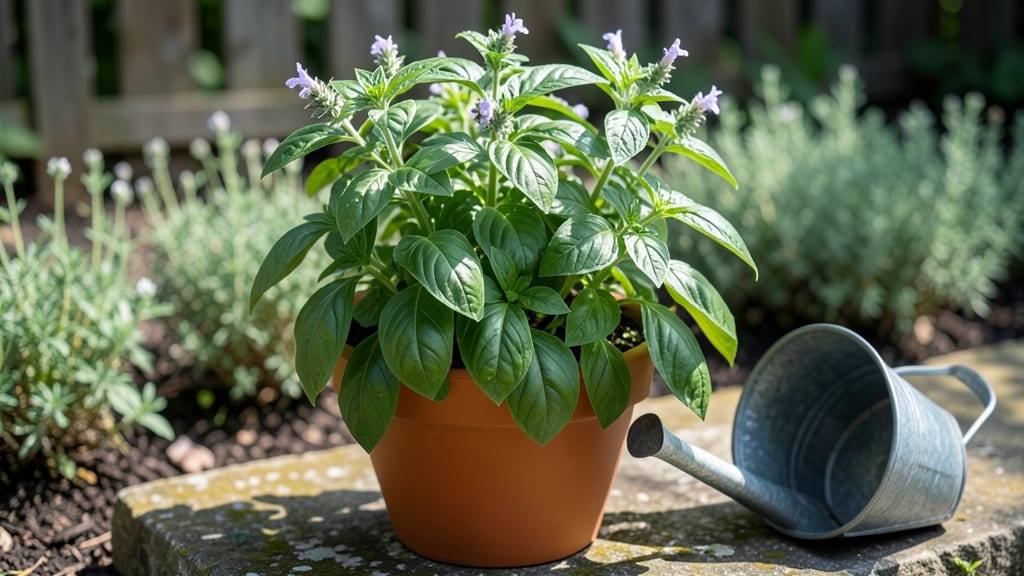
Growing basil in the right light—whether sun or shade—is the secret to those bold, aromatic leaves you love in your cooking 🌿.
Picture this: you’ve planted your basil, watered it faithfully, but the flavor just isn’t there. Or worse, the leaves turn yellow or the plant stretches tall and weak. That’s not bad luck—it’s a light problem.
Too much sun can scorch those tender leaves, while too little shade slows growth and dulls flavor. The good news? With a few simple adjustments, you can keep your basil thriving.
Most basil varieties crave 6+ hours of sunlight daily, but not every garden gets that. Urban balconies, hot climates, or even winter growing can mean shade is your only option.
The key is understanding how to tweak care—watering, pruning, and even choosing the right variety—to make the most of what light you have. Below, I’ll break down the ideal conditions, what to watch for, and how to fix common issues so your basil stays flavorful and productive.
Ready to unlock the full potential of your basil? You’ll learn how to balance sun and shade, spot trouble early, and keep your plants happy—whether they’re basking in full light or thriving in partial shade. Let’s get started.
 Best Window Placement
Basil sun requirements: how much light for peak flavor and growth
Basil isn't just a hardy herb—it's a sun-worshipper that rewards you with bold flavor and vigorous growth when given the right light.
While most gardeners assume basil thrives in full sun, the truth is more nuanced. Six to eight hours of direct sunlight daily is ideal, but intensity matters just as much as duration. Too little light leads to weak, flavorless leaves, while too much can scorch your plants in hot climates.
Let's break down how to strike the perfect balance for your basil's sun requirements.
First, understand that basil's flavor compounds—like eugenol and linalool—develop strongest under full sun exposure. Without enough light, your basil might grow tall and leggy but lack that signature aromatic punch.
In my experience, container-grown basil on a sunny patio tastes completely different from the same variety tucked under a tree. The difference? Light intensity and photosynthesis efficiency.
Here's the science: Basil plants perform photosynthesis optimally between 70-80°F (21-27°C). When temperatures climb above 90°F (32°C), even full sun can stress your plants. That's why I adjust my care in hot climates like the Southwest U.S. by providing afternoon shade during peak summer months.
The goal is to maintain that 6-8 hour sun window without overheating.
Now, let's look at how different regions should approach basil's sun needs. Gardeners in USDA Zones 5-7 can often leave basil in full sun all season, while those in Zones 8-10 may need to provide afternoon shade.
Even in cooler climates, winter sunlight is less intense, so I recommend supplementing with grow lights if growing indoors during shorter days. The key is matching your basil's needs to your local light conditions.
🌿
| Sun Requirement | Ideal Duration | Flavor Impact | Growth Effect |
|---|---|---|---|
| Full Sun | 6-8 hours daily | Maximum aromatic compounds | Compact, bushy plants |
| Partial Sun | 3-6 hours daily | Mild flavor development | Taller, leggy stems |
| Low Light | Under 3 hours daily | Weak, grassy taste | Pale leaves, slow growth |
| Afternoon Shade | Morning sun + shade after 2 PM | Balanced flavor | Healthy in hot climates |
| Indoor Light | 12-16 hours grow light | Decent but reduced flavor | Requires frequent pruning |
One common mistake I see is assuming all basil varieties have identical sun needs. Genovese basil, for example, handles full sun beautifully, while Spicy Globe basil can tolerate slightly more shade.
If you're growing multiple varieties, position them based on their specific light tolerance. Also, pay attention to your basil's leaves—they'll tell you if you're getting the light right.
Watch for these signs of sun stress: crispy leaf edges, yellowing between veins, or leaves that feel dry to the touch. These indicate your basil is getting too much direct sun, especially in hot afternoons.
On the flip side, if your basil develops long, thin stems with small leaves clustered at the top, it's stretching toward light—a classic sign of insufficient sunlight. In both cases, adjusting your basil's light exposure can quickly turn things around.
For container gardeners, location matters more than you might think. A south-facing windowsill provides ideal morning light, but afternoon sun through glass can create a heat trap. I've found that rotating pots quarter-turns weekly ensures even growth.
Outdoor containers should be placed where they get unobstructed sun for at least half the day, with protection from strong afternoon winds that can dry out leaves too quickly.
Don't overlook the role of reflective surfaces in maximizing light. Light-colored walls or mulch can bounce extra sunlight onto your basil, effectively increasing the light intensity without additional hours. In my raised beds, I use white gravel around the perimeter to boost light penetration to plants in the center.
This simple trick has made a noticeable difference in both growth rate and flavor intensity.
Seasonal adjustments are crucial too. In spring and fall, when days are shorter, I extend my basil's light exposure by moving containers to sunnier spots or supplementing with LED grow lights. During summer solstice, I provide afternoon shade using lightweight shade cloth (30-50% shade) to
Shade-grown basil: when and how to grow it successfully
Not all basil needs scorching sun to thrive—shade-grown basil can be just as productive (and sometimes even more flavorful) under the right conditions.
If you're growing basil in urban balconies, hot climates, or winter months, partial shade can prevent leaf scorch and bolting while still delivering that signature sweet, peppery taste.
The key lies in choosing the right basil varieties and adjusting your care routine to compensate for lower light levels.
Shade isn’t always a compromise—it can be a strategic advantage. For example, in USDA Zone 9 or 10, where summer sun can exceed 100°F, providing afternoon shade helps basil retain moisture and prevents heat stress.
Similarly, winter growing in cooler climates benefits from morning sun and afternoon shade to extend the harvest season. The trick is balancing light exposure, watering frequency, and nutrient-rich soil to keep your plants happy and productive.
Shade-Grown Basil: Pros and Cons
✅ Pros
- Prevents leaf scorch in hot climates
- Slows bolting for longer harvests
- Ideal for urban balconies with limited sun
- Extends winter growing in cooler zones
- Reduces water needs by lowering evaporation
❌ Cons
- Slower growth compared to full sun
- Milder flavor if light is insufficient
- Requires frequent pruning to prevent legginess
- Higher risk of pests in damp shade
- Needs nutrient-rich soil to compensate
When growing shade-tolerant basil varieties, opt for Genovese, Spicy Globe, or Dark Opal—these hold up better in lower light than Sweet Basil. To maximize growth, place your plants in a spot with 3-4 hours of morning sun and dappled shade in the afternoon.
If you're container gardening, rotate pots weekly to ensure even light exposure on all sides. This simple trick can double your yield by preventing one-sided growth.
Watering becomes even more critical in shade. Since soil dries slower, check moisture daily by sticking your finger 1 inch deep—water when it feels dry. Use well-draining pots with moisture-retentive soil (mix in compost or coco coir) to avoid root rot. Mulching with straw or shredded leaves helps retain moisture and keeps roots cool, which is especially helpful in hot, humid climates where shade-grown basil can struggle with fungal issues.
To boost flavor in shade, fertilize lightly every 3-4 weeks with a balanced liquid fertilizer (like 10-10-10). Avoid heavy nitrogen, which promotes leafy growth at the expense of aroma. Instead, focus on phosphorus and potassium to enhance the peppery, sweet notes basil is famous for.
Pinch off flowers as they form—this redirects energy back into leaf production rather than seed development, keeping your plants bushy and productive.
If your shade-grown basil starts looking leggy or pale, it’s time to act. Move it to a sunnier spot (even if just for a few hours a day) or supplement with a grow light for 12-14 hours daily.
Prune back overly long stems to encourage branching, and harvest outer leaves first to avoid shocking the plant. With these adjustments, your shade-grown basil can deliver just as much flavor as its sun-loving cousins—without the risk of burning.