
Orchid Care
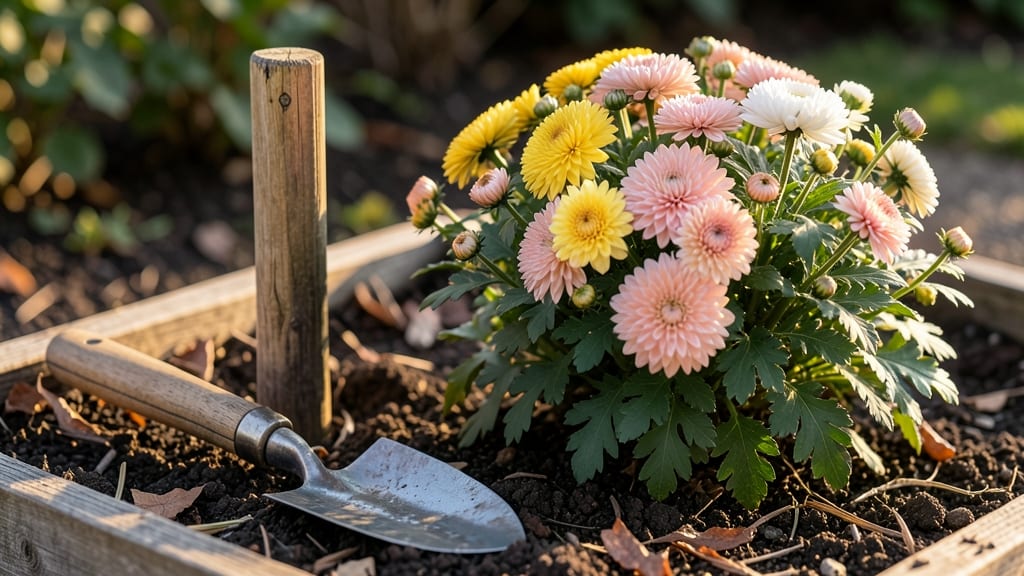
You’ve probably wondered: do mums need sun or shade—because these fall stars wilt when they get it wrong. sad and leggy. That’s a classic light-mistake, and it’s easier to fix than you think.
Most gardeners assume mums need full sun, but the truth is more nuanced. Some varieties—like the dwarf types—do better in partial shade, while others, such as the standard mums, crave full sun to burst into color.
In this guide, I’ll break down how to balance sunlight and shade for year-round blooms, regional tweaks for zones 3-10, and even how to pair mums with shade-tolerant plants for a foolproof garden bed.
 Best Window Placement
Ideal sunlight requirements for mums: how much light do they really need?
If you’ve ever wondered “do mums need sun or shade?”, the answer depends on the variety you’re growing. Most chrysanthemums (mums) thrive with 4-6 hours of direct sunlight daily, but some varieties—especially those with darker foliage—prefer partial shade to prevent scorching.
The key is balancing light exposure to avoid leggy stems or sparse blooms, which are telltale signs of improper lighting.
In USDA zones 3-7, where summers can be hot, mums often benefit from afternoon shade to protect their delicate petals. Meanwhile, gardeners in zones 8-10 may need to provide morning sun and afternoon shade to prevent heat stress.
Understanding these regional nuances ensures your mums stay vibrant and healthy throughout the season.
🌼 Variety Matters: Some mums, like the ‘Bonanza’ series, love full sun, while others, such as ‘Dynasity’, tolerate partial shade better. Always check the plant tag for specific light recommendations, as this can make or break your blooms.
| Variety | Sunlight Needs | Best For | USDA Zones |
|---|---|---|---|
| ‘Bonanza’ | Full sun (6+ hours) | Hot, dry climates | 8-10 |
| ‘Dynasity’ | Partial shade (4-5 hours) | Humid, shady areas | 3-7 |
| ‘Bright Lights’ | Partial sun (3-4 hours) | Container gardens | All zones |
| ‘Medallion’ | Full sun to partial shade | Versatile borders | 5-9 |
Seasonal adjustments are critical for mums. In spring and fall, when temperatures are mild, they can handle full sun without issues. However, during summer’s peak heat, even full-sun varieties may need dappled shade to prevent wilting or sunburn.
Watch for yellowing leaves or drooping blooms, which signal they’re getting too much light.
If your mums are growing tall and spindly with few blooms, they’re likely light-starved. Move them to a sunnier spot or supplement with a grow light if you’re container gardening. Conversely, brown, crispy edges on leaves mean they’re overheated—provide afternoon shade or mulch to keep roots cool.
For container-grown mums, place them where they’ll get morning sun and afternoon shade, especially in hot climates. A reflective surface, like a white wall or gravel, can amplify light in shady spots, helping mums thrive even with limited direct sunlight.
In USDA zone 3, where winters are harsh, mums often go dormant and need minimal light. Focus on spring planting in a south-facing bed to give them a head start.
In zone 10, where winters are mild, they can bloom year-round with consistent partial shade to prevent heat exhaustion.
Pro tip: Rotate containers every few weeks to ensure even light exposure. This prevents mums from leaning toward the sun, which can weaken stems and reduce blooms. A little light management goes a long way in keeping your mums looking their best from September through frost.
Remember, the secret to stunning mums isn’t just about sunlight—it’s about adapting to your garden’s unique conditions. Experiment with placement, monitor their response, and adjust as needed. With the right light balance, your mums will reward you with bold, long-lasting blooms all season long. 🌿
How to adjust light conditions for mums: sun vs. shade hacks for every garden
Not all gardens offer the perfect 4-6 hours of sunlight that mums crave. If your chrysanthemums are struggling, it’s likely a light issue. Too much sun causes leaf scorch and faded blooms, while too little shade leads to leggy stems and sparse flowers.
The good news? Simple adjustments can transform your garden into a mum paradise.
Start by assessing your garden’s natural light patterns. Observe how sunlight moves across your space from morning to afternoon. Mums thrive in bright, indirect light, but even full-sun varieties can handle partial shade if given the right conditions.
The key is balance—whether you’re dealing with a sun-scorched south-facing bed or a dim corner that never gets direct light.
Sun vs. Shade for Mums: Quick Fixes
✅ Too Much Sun?
- Shade cloth (30-50%) – Blocks harsh rays while allowing light through.
- Mulch heavily – Keeps roots cool and retains moisture.
- Prune nearby trees – Creates natural dappled shade.
❌ Too Little Light?
- Reflective surfaces – Use white gravel or mirrors to bounce light.
- Container gardening – Move pots to sunnier spots during peak hours.
- Strategic planting – Pair mums with taller plants for indirect light.
For gardens with excessive sunlight, shade cloth is your best friend. A 30% shade cloth reduces light by 30% while maintaining airflow, while a 50% cloth works for hotter climates.
Install it above your mums in late afternoon when UV rays are strongest. Pair this with 2-3 inches of mulch to insulate roots and reduce evaporation.
If your mums are in a shady spot, don’t give up! Place reflective surfaces like white pebbles or mirrors near the plants to redirect light. Alternatively, grow mums in containers and rotate them daily to ensure even light exposure.
Dwarf varieties like ‘Bonanza’ or ‘Jolanda’ adapt better to lower light than standard types.
Strategic planting can also help. Position mums underneath taller plants like sunflowers or hollyhocks to filter harsh light naturally. Just avoid dense shade from evergreens, which can block too much light. In container gardens, choose pots with light-colored surfaces to reflect extra brightness onto the soil.
Remember, mums are flexible—they’ll adapt if you adjust their environment gradually. Start with small changes, like moving pots or adding shade cloth, and monitor their response. Within 2-3 weeks, you’ll see healthier foliage and longer-lasting blooms—no matter your garden’s light conditions.