
Orchid Care
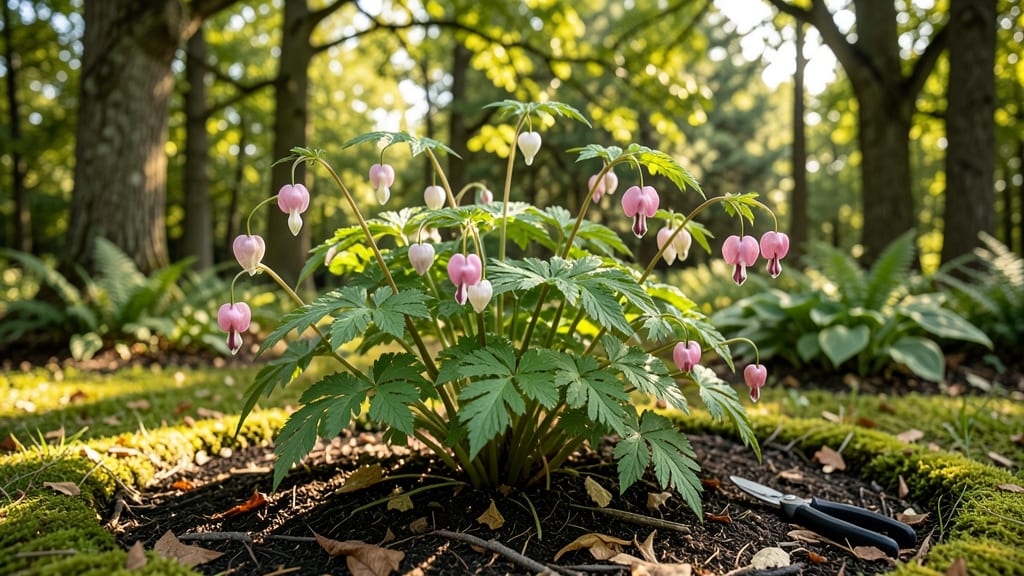
Bleeding heart plants thrive in sun or shade, but picking the right spot is the key to those showstopping blooms you’ve been dreaming of.
Picture this: your garden’s shadiest corner suddenly bursts with heart-shaped flowers 💖, while the sunny border stays bare. That’s not a fluke—it’s light preference in action.
Some varieties, like Dicentra spectabilis, beg for dappled shade, while others handle full sun if you tweak their care. I’ll break down the best matches for your garden’s lighting, plus how to avoid common mistakes that leave plants struggling.
By the end, you’ll know exactly where to plant yours for season-long color—no guesswork, just stunning results.
 Best Window Placement
Best bleeding heart varieties for full sun exposure
Most gardeners assume bleeding hearts need shade, but sun-loving varieties exist that thrive with 4+ hours of direct sunlight. These hardier hybrids produce brighter blooms and stronger stems when given proper care in sunny spots.
The key is selecting the right Dicentra spectabilis cultivars and adjusting soil conditions to prevent stress.
Traditional bleeding hearts wilt under full sun, but newer sun-tolerant varieties like 'Gold Heart' and 'Alba' handle morning sunlight beautifully. These plants still need afternoon shade protection in hot climates, but they’re far more adaptable than their shade-only counterparts.
Let’s explore the top sun-friendly bleeding heart varieties and how to grow them successfully.
⚠️ CRITICAL NOTE: Even sun-loving varieties require afternoon shade in zones 7b+. Use lightweight shade cloth (30-50%) during peak summer hours to prevent leaf scorch. Without protection, sunburned foliage will stunt blooms and weaken stems.
| Variety | Sun Tolerance | Bloom Color | Mature Height | Key Care Tip |
|---|---|---|---|---|
| Gold Heart | Full sun with afternoon shade | Lemon-yellow | 2-3 ft | Amend soil with compost + perlite for drainage |
| Alba | Partial sun (6+ hrs) | Pure white | 1.5-2.5 ft | Mulch with pine needles to retain moisture |
| Valentine | Full sun (zones 3-6) | Pink with white centers | 2-3 ft | Stake stems early to prevent wind damage |
| Fireworks | Partial sun (4+ hrs) | Burgundy-red | 1-2 ft | Deadhead spent blooms to encourage reblooming |
| Strawberry Fields | Morning sun only | Pink with white | 2 ft | Plant near hostas for natural shade |
For full sun success, start with well-draining soil mixed with 50% organic matter. Bleeding hearts hate soggy roots, so amending clay soil with sand or coconut coir prevents root rot.
Test your soil’s pH—these varieties prefer 6.0-6.5. If your garden soil is alkaline (7.0+), add sulfur or pine fines to lower the pH gradually.
Watering is critical in sunny conditions. Provide 1-2 inches of water weekly, but avoid overhead sprinkling during peak sun (10 AM-4 PM). Instead, use drip irrigation or water at dawn to reduce evaporation.
Mulch with 3 inches of shredded bark to lock in moisture and keep roots cool—this mimics their woodland understory habitat.
Pair sun-loving bleeding hearts with companion plants that tolerate similar conditions. Try Japanese forest grass (Hakonechloa macra) for texture, heuchera for foliage contrast, or foxglove (Digitalis) for vertical interest. These combinations create low-maintenance pollinator gardens while protecting bleeding hearts from harsh afternoon rays.
Fertilize lightly in early spring with a balanced 10-10-10 formula. Over-fertilizing leads to leafy growth at the expense of blooms. After the first flush of flowers, switch to a low-phosphorus fertilizer (like 5-5-5) to encourage reblooming in varieties like 'Fireworks'.
Watch for aphids and slugs, which target stressed plants in sunny spots. Spray foliage with neem oil weekly as a preventative. If you notice yellowing leaves, it’s often a sign of underwatering—increase frequency to every 5-7 days during heatwaves.
Prune back spent blooms to redirect energy into next season’s growth.
With the right sun-tolerant variety and proper care, your bleeding hearts will reward you with longer bloom seasons and bolder colors than their shade-only cousins. Start with 'Gold Heart' or 'Valentine' for the most sun-adaptable options, then experiment with companion plantings to
Top shade-tolerant bleeding heart plants for low-light gardens
If your garden is a shady oasis, don’t despair—bleeding hearts thrive where others falter. These delicate heart-shaped bloomers love dappled light and even full shade, making them perfect for woodland gardens or north-facing borders.
The key is selecting the right varieties and creating ideal growing conditions to maximize those romantic pink and white flowers.
Most bleeding hearts prefer partial shade, but some varieties excel in full shade, where they produce lush foliage and prolonged blooming. My top picks include Dicentra spectabilis (classic bleeding heart) and Dicentra eximia (fragile few-flower), both of which handle low light beautifully.
Let’s dive into their unique traits and care secrets to keep them flourishing.
Bleeding Heart in Shade vs. Sun
Shade-Loving Varieties
- ✅ Thrives in full to partial shade
- ✅ Produces vibrant blooms with less stress
- ✅ Ideal for woodland gardens or north-facing spots
- ✅ Lush foliage even with minimal light
Sun Exposure Risks
- ❌ Wilting or leaf scorch in hot sun
- ❌ Fewer blooms if overheated
- ❌ Soil dries out faster, needing more frequent watering
- ❌ Stunted growth in intense afternoon sun
"For best results, plant in morning sun with afternoon shade—a happy medium for most varieties."
For full shade gardens, prioritize Dicentra spectabilis 'Alba' (white blooms) or 'Gold Heart' (chartreuse foliage). These varieties handle low light exceptionally well, with 'Gold Heart' even tolerating deep shade while keeping its striking foliage. Pair them with hostas or ferns for a dreamy woodland combo.
To maximize blooms in shade, focus on rich, moist soil with organic matter. Amend clay soil with compost or peat moss to improve drainage while retaining moisture. A 2-3 inch layer of mulch will protect roots and keep soil cool—critical for shade-loving plants.
I’ve found that drip irrigation or soaker hoses help maintain consistent moisture without disturbing delicate foliage.
Deadheading spent blooms encourages reblooming, especially in partial shade. However, avoid pruning fragile few-flower varieties too aggressively, as their delicate stems can snap. Instead, trim back 1/3 of the foliage after flowering to promote new growth for next season.
Divide clumps every 3-4 years to prevent overcrowding and maintain vigor.
Watch for powdery mildew in humid shade conditions—a common issue for bleeding hearts. Improve air circulation by spacing plants 18-24 inches apart and avoid overhead watering. If mildew appears, treat with neem oil or baking soda spray.
With the right care, your shade garden will burst with romantic, heart-shaped blooms year after year. 🌿