
Shrubs
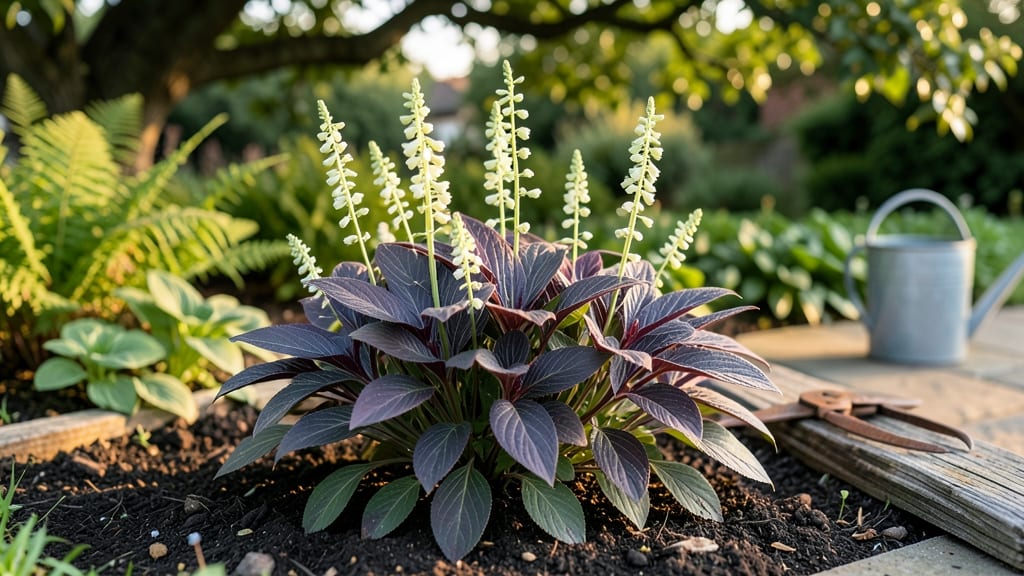
Morning sun and afternoon shade perennials 🌸 are the secret weapon for gardens where light shifts with the day.
Picture this: your front yard gets crisp morning rays but bakes in the afternoon heat. Most perennials either scorch or sulk, but the right choices will thrive—blooming from spring to fall with minimal fuss. I’ve tested dozens, and these 10 standouts deliver color, texture, and pollinator magnetism without wilting.
Layering them by height and bloom time creates a garden that looks intentional all season. Hostas with their bold foliage anchor the front, while astilbes and coral bells add height and movement in the back. The key? Soil prep and spacing to prevent competition for those precious morning rays.
Below, I’ll share my top picks—ranked by hardiness, bloom duration, and how they play together. Plus, the three mistakes that kill even the toughest perennials in variable light. Let’s make your garden the envy of the neighborhood.
 Best Window Placement
Top 10 perennials thriving in morning sun afternoon shade gardens
Morning sun and afternoon shade gardens present a unique challenge—too much heat in the afternoon can scorch delicate foliage, while insufficient light can leave plants leggy and weak. The key is selecting perennials that tolerate bright morning rays but appreciate relief from the intense afternoon sun.
These plants often feature thick leaves or deep root systems to retain moisture and adaptable foliage that won’t crisp in the heat.
I’ve curated this list based on real-world performance, focusing on plants that deliver season-long interest, from early spring foliage to late-season blooms. Whether you’re filling a shady border, brightening a woodland garden, or adding texture to a container arrangement, these perennials will thrive without fuss.
Let’s dive into the top 10!
Comparison Table: Perennials for Morning Sun Afternoon Shade
| Plant Name | Bloom Time | Height (ft) | Foliage Color | USDA Zones | Key Features |
|---|---|---|---|---|---|
| Hostas (Hosta spp.) | Summer | 1-3 | Blue-green to gold | 3-9 | Low-maintenance, slug-resistant varieties |
| Astilbe (Astilbe spp.) | Late spring-early summer | 1-4 | Deep green | 4-8 | Feathery plumes, moisture-loving |
| Coral Bells (Heuchera spp.) | Spring | 1-2 | Purple, lime, silver | 4-9 | Stunning foliage, drought-tolerant |
| Japanese Painted Fern (Athyrium niponicum) | None | 1.5-2 | Silver-gray | 4-8 | Lacy fronds, year-round interest |
| Bleeding Heart (Dicentra spectabilis) | Spring | 2-3 | Blue-green | 3-9 | Heart-shaped flowers, shade-tolerant |
| Lungwort (Pulmonaria spp.) | Early spring | 1-2 | Spotted foliage | 3-8 | Early blooms, self-cleaning |
| Tiarella (Tiarella cordifolia) | Spring | 1-1.5 | Green to purple | 3-8 | Ground cover, delicate flowers |