
Companion Plants
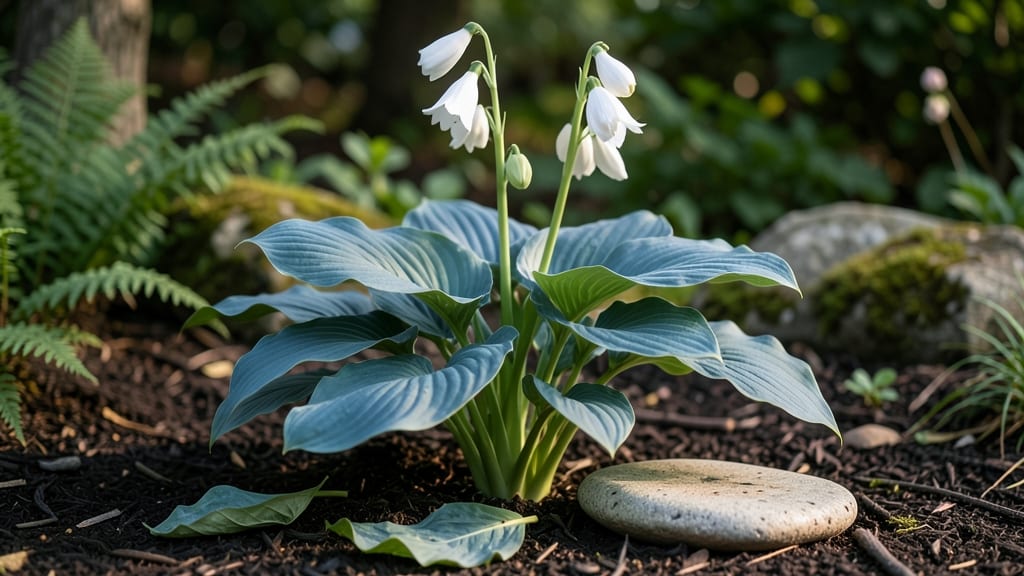
Your darkest garden corners just got an upgrade—big shade plants that grow taller than your expectations. 🌿 I’ve spent years transforming gloomy spots into lush, dramatic backdrops using towering foliage that thrives where sunlight barely touches.
The secret? Choosing plants that pair height with shade tolerance, like the elephant ear philodendron or Japanese painted fern, which reach for the sky without demanding direct sun.
These aren’t just filler plants—they’re statement-makers. Imagine a 10-foot-tall hosta variety like ‘Sum and Substance’ anchoring a shady border, or a giant gunnera with leaves the size of dinner plates stealing the show in a woodland garden.
They’re low-maintenance too: once established, they drink deeply but infrequently, and their broad leaves block weeds naturally. Perfect for under trees, along north-facing walls, or anywhere your yard feels forgotten.
By mixing textures—think velvety astilbe next to spiky Japanese holly fern—you create layers that draw the eye upward, making even the shadiest spots feel grand. These plants also attract pollinators like butterflies and hummingbirds, turning your dark corners into thriving ecosystems.
The best part? They multiply over time, giving you free plants to share (or guilt-free excuses to expand your collection).
Start with one showstopper, like a bigleaf hydrangea or Ostrich fern, and build from there. Pair it with smaller shade lovers—like foamflower or sweet woodruff—for contrast. Your garden’s darkest corners will soon be its most dramatic. Ready to transform them?
📚 In This Guide
- What you need
- Instructions
- Tips and common mistakes
- Wrapping up and next steps
What you need
- ● Big Shade Plants: 1–3 Fatsia japonica (Japanese aralia) – 3–5 ft tall, thrives in deep shade
- ● 1 Hosta (e.g., 'Blue Angel' or 'Francee') – 2–3 ft tall, variegated foliage
- ● 1 Heuchera (e.g., 'Palace Purple' or 'Lime Rickey') – 1–2 ft tall, bold colors
- ● 1 Astilbe (e.g., 'Fanal') – 2–3 ft tall, feathery plumes (partial shade)
- ● 1 Fern (e.g., Dryopteris or Matteuccia struthiopteris) – 3–6 ft tall, frondy texture
- ● Soil Amendments: 5–10 lbs compost or well-rotted manure (per plant)
- ● 1–2 lbs peat moss or coco coir (for moisture retention)
- ○ Optional: Slow-release fertilizer (10-10-10, 1 lb per 10 sq ft)
- ● Planting Tools: 1 garden trowel or spade
- ● 1 pruning shears (for trimming roots or foliage)
- ● 1 watering can or hose with gentle nozzle
- ● 1 gloves (to protect hands from thorns or rough leaves)
- ● Mulch: 2–3 inches organic mulch (e.g., shredded bark, pine needles, or wood chips)
- ● Container gardeners: 1–2 large pots (15–20 gallons) with drainage holes
- ● For extra height: 1 Tiarella or Ligularia (2–3 ft tall)
- ● Support structures: Bamboo stakes or small trellises (for vining plants like Clematis in partial shade)
- ● Pest control: Neem oil or insecticidal soap (for slugs/snails)
- ● Decorative accents: Garden stakes or pebbles for a polished look
How to select and plant big shade plants for dramatic impact
Here’s how to transform dark corners into lush, towering statements using shade-tolerant giants.
🌿 Step 1: Choose Plants with Architectural Presence
Look for varieties that naturally reach 6 feet or taller at maturity, like hostas, ferns, or cast iron plants. I always prioritize plants with bold foliage—think elephant ears (Colocasia), gunnera, or large-leafed heuchera—because their sheer size and texture dominate shady spaces. Check the plant tag for full shade to part shade labels, as even low-light plants need some indirect sunlight for best growth.
For instant height, pair a tall hosta (like ‘Blue Angel’) with a climbing fern (like Lygodium japonicum) to create layered drama. The key is selecting plants that grow vertically, not just horizontally, to fill vertical space efficiently. I’ve found that monstera deliciosa and philodendron varieties also thrive in shade and add tropical flair.
🪴 Step 2: Prepare the Planting Site with Rich, Moist Soil
Big shade plants demand well-draining but moisture-retentive soil—amend native soil with 3-4 inches of compost or peat moss to improve texture and fertility. I dig a hole twice as wide as the root ball but only as deep, since planting too deep can suffocate roots. For containers, use a lightweight potting mix blended with perlite to prevent compaction.
Test the soil’s moisture level before planting: stick your finger 2 inches deep—if it feels dry, water thoroughly before placing the plant. Overly dry soil can shock roots, while soggy soil invites rot. Mulch the surface with 2-3 inches of shredded bark to conserve moisture and suppress weeds, which is especially important for large plants with extensive root systems.
☀️ Step 3: Position for Maximum Height and Light Balance
Place taller plants toward the back of the bed or against fences/walls to avoid blocking sunlight from shorter neighbors. I often group hostas and ferns together, as their fronds create natural layers that catch light differently. For containers, rotate pots quarter-turn weekly to encourage even growth toward all sides—this prevents lopsided, leggy stems.
Even in shade, bright indirect light (like near a north-facing window or under dappled tree canopy) keeps foliage vibrant. Watch for yellowing leaves—a sign of too little light—and supplement with a balanced liquid fertilizer (10-10-10) every 4-6 weeks during the growing season. Overcrowding stunts growth, so space plants 3-5 feet apart depending on mature size.
💧 Step 4: Water Deeply and Consistently
Big shade plants need 1-2 inches of water weekly, but deeper waterings twice a week encourage stronger root systems. I water in the early morning to reduce evaporation and fungal risks. For newly planted specimens, keep soil evenly moist for the first 2 weeks—this helps roots establish without stress. Let the top 1-2 inches of soil dry between waterings to prevent root rot.
Mulch acts as a moisture barrier, so I always refresh it after heavy rains or seasonal changes. In hotter months, shade plants may need daily watering if the air feels dry—check by lifting the pot or probing the soil with your finger. Overwatering is the biggest mistake; drooping leaves signal thirst, but mushy stems mean too much water.
✂️ Step 5: Prune for Shape and Health
Trim dead or yellowed leaves in early spring to encourage new growth, and cut back leggy stems by one-third to promote bushier habits. I avoid heavy pruning in late summer, as it removes energy reserves needed for winter survival. For fern varieties, remove old fronds at the base as they brown, but leave some for texture.
Use clean, sharp shears to make cuts just above a leaf node or bud. This prevents ragged edges that invite disease. If a plant outgrows its space, divide it every 3-4 years in early spring—this rejuvenates growth and creates new specimens. Big shade plants are forgiving, but never prune more than 30% of the foliage in one season.
Tips & tricks for towering shade plants that command attention
These game-changing insights will help you cultivate a verdant vertical statement that thrives in low light.
Variety Pairing Strategy: In Step 1, consider pairing gunnera with monstera deliciosa—their contrasting textures create stunning visual drama. The gunnera's bold, lobed leaves provide architectural structure, while the monstera's fenestrated foliage adds intricate detail. This combination works particularly well in containers where you can showcase their height differences. I've seen this pairing transform even the most uninspired corners into lush, tropical vignettes.
Soil Science: When amending soil in Step 2, don't overlook the importance of organic matter content. Aim for a mix that's 30-40% organic material—this includes your 3-4 inches of compost plus any additional leaf mold or worm castings you can incorporate. The organic matter improves moisture retention while preventing compaction, which is crucial for those extensive root systems. For container plants, consider adding orchid bark to your potting mix for better aeration.
Light Optimization: In Step 3, remember that "bright indirect light" doesn't mean full shade—these plants still need some light penetration. If your space has only true shade (no light penetration at all), consider supplementing with a grow light for a few hours daily during winter months. I've used simple LED grow lights on timers with excellent results. Also, rotate your containers every 4-6 weeks instead of weekly to prevent plants from leaning toward the light source.
Watering Wisdom: The 1-2 inches of water weekly guideline in Step 4 is ideal, but remember this is for average conditions. During summer heatwaves, you might need to increase to daily watering—check by lifting pots (if container-grown) or probing the soil. For newly planted specimens, I've found that using a soaker hose for the first two weeks helps establish roots more thoroughly than surface watering. Always water at soil level to prevent fungal issues on foliage.
Pro Tips for Big Shade Plants
- These game-changing insights will help you cultivate a verdant vertical statement that thrives in low light.
- Variety Pairing Strategy: In Step 1, consider pairing gunnera with monstera deliciosa—their contrasting textures create stunning visual drama.
- Soil Science: When amending soil in Step 2, don't overlook the importance of organic matter content.
Frequently asked questions
Got questions about big shade plants? You’re not alone!
Here are some of the most common queries—plus quick, practical answers to help you grow with confidence.
What are the best big shade plants for small gardens?
Space-saving options like Hostas (e.g., 'Blue Angel'), Astilbes, or Ferns (e.g., Matteuccia struthiopteris) thrive in shade without sprawling. For vertical interest, try Heucheras or Coral Bells—they stay compact but pack a punch with bold foliage.
How long does it take for big shade plants to reach maturity?
Most shade-loving giants (like Hosta or Fatsia japonica) take 3–5 years to hit their full height. Patience pays off—slow growth means fewer pests and deeper roots! Check the plant tag for variety-specific timelines.
Can I grow big shade plants in containers?
Choose large pots (15+ gallons) with drainage and a moisture-retentive mix (add perlite). Top picks: Dwarf Mondo Grass, Variegated Sweet Flag, or Miniature Hostas. Just repot every 2–3 years to refresh nutrients.
Do big shade plants need extra care during drought?
Yes! While shade plants tolerate dry spells, mulch (2–3 inches) with wood chips or pine needles to lock in moisture. Water deeply once a week (more in extreme heat). Caladiums and Truffula Alocasias wilt fast—keep them hydrated!
What pests should I watch for in big shade plants?
Slugs and snails love Hostas and Ferns—set out beer traps or use copper barriers. For aphids on Astilbes, spray with soapy water. Prevention tip: Remove leaf litter where pests hide!
Wrapping up and next steps
Transforming your shady spaces into lush, thriving gardens is simpler—and more rewarding—than you think! 🌿 Whether you’re drawn to the elegance of ferns, the bold structure of hostas, or the whimsical charm of calatheas, big shade plants bring life, texture, and drama to even the dimmest corners.
With the right soil, watering routine, and a little patience, you’ll create a verdant sanctuary that feels like a breath of fresh air.
Ready to dive in? Start by sketching your space and picking just one or two standout plants to anchor your design. Need inspiration? Browse our plant care guides or visit a local nursery to see these beauties in person. Your shady oasis is waiting—let’s grow it together! 🌱✨